
Taking action for the Thomson
River restoration shaping a healthier future
Carran Carran (Thomson River) on Gunaikurnai Country is a flagship waterway for West Gippsland and for the Catchment Management Authority (CMA) who are working on a long-term restoration project to improve habitat connectivity along the river from the Victorian Alps to the Gippsland Lakes.
“In the 1950s a flood caused the Carran Carran river to ‘jump’ its course and carve a new channel through the surrounding floodplains. In the process, the newly formed Rainbow Creek was created, cutting farming land in half,” explains David Stork, Waterways Officer for the CMA.
Rainbow Creek is a short but significant waterway that runs from Cowwarr to Heyfield and this is really where the Carran Carran river wants to flow.
The Thomson and Rainbow Management Plan was developed along with community and partners to achieve shared hopes for the river’s future – to manage the balance of its flow and reduce the risk of ‘avulsions’ (a waterway creating a new path in times of flood) developing.
“For the past six years we have been delivering the Thomson and Rainbow Management Plan to manage the risk of avulsion and improve waterway health for the benefit of agriculture, the community and the Gippsland Lakes,” said David.
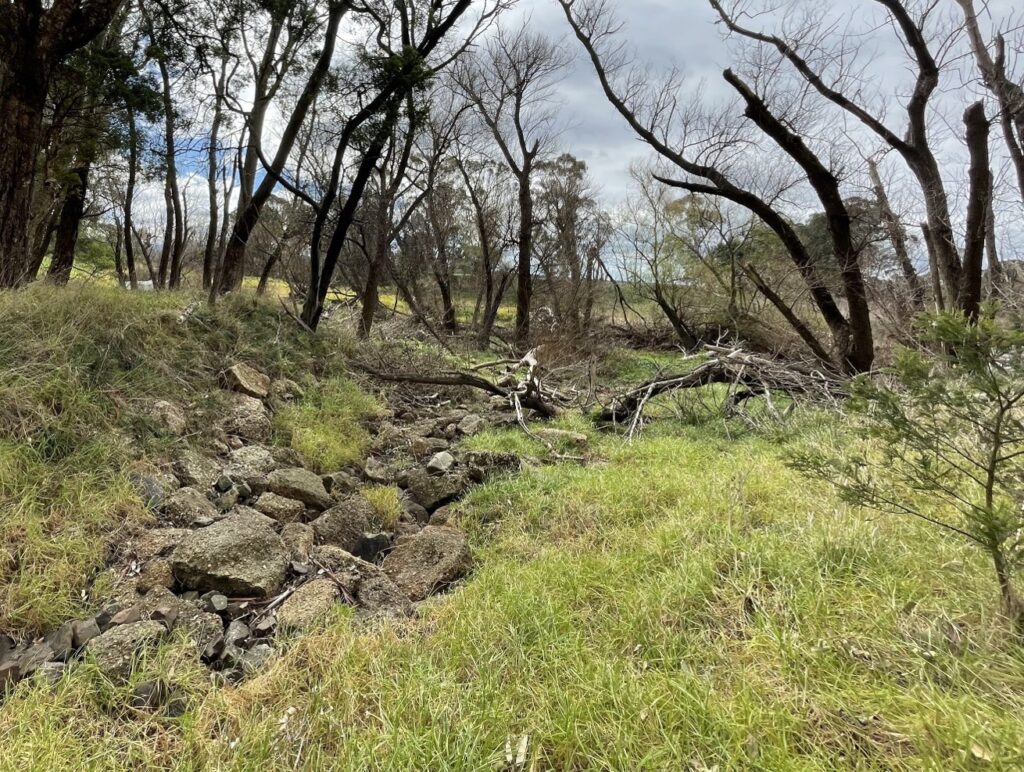
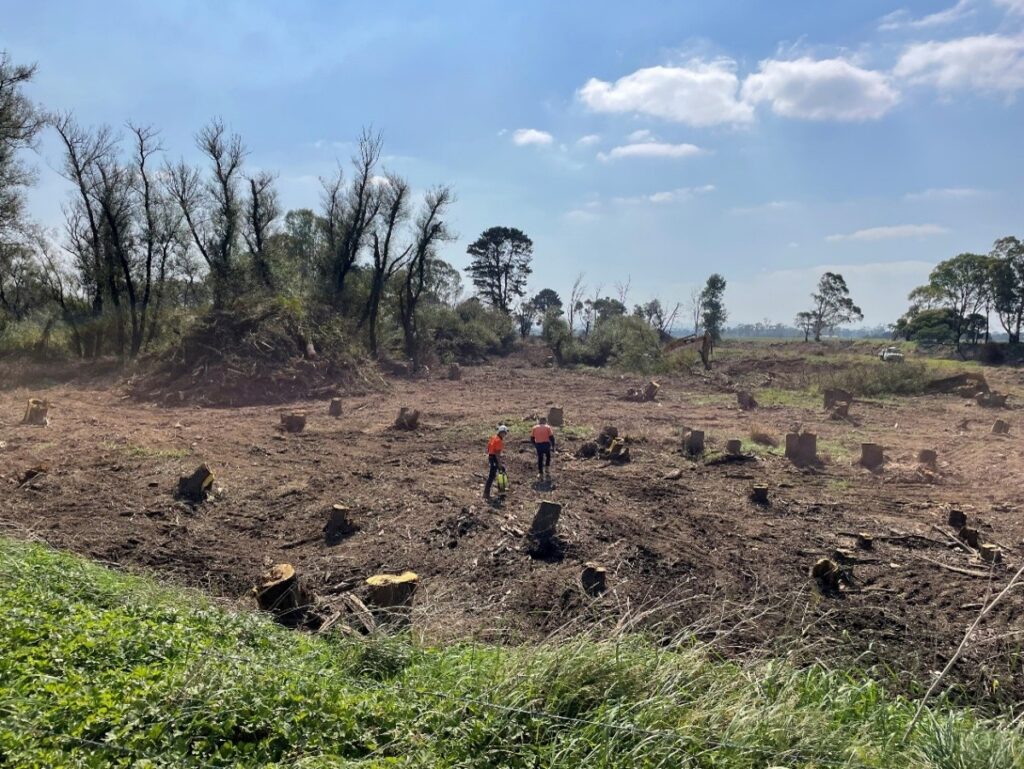
Across 2025-26, the team took action to restore the river by delivering targeted habitat restoration and weed control along both waterways. A highlight was collaborating with two neighbouring landholders to restore a continuous stretch of river running through the adjoining properties.
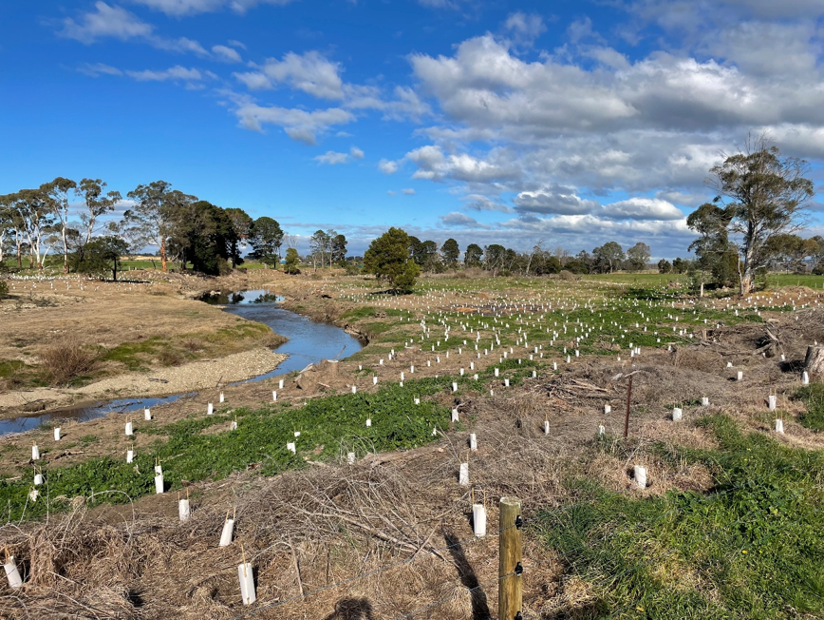
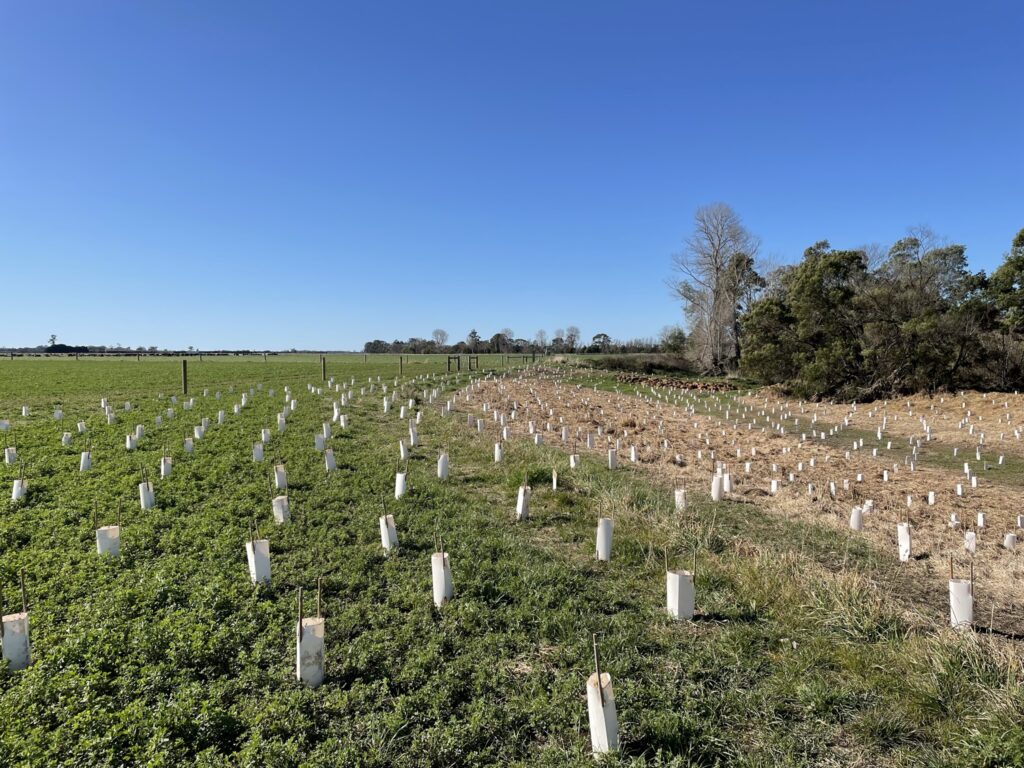
Close to three hectares of dense willows were cleared across the two properties along one kilometre ensuring both sides of the river were treated. Fencing and all sites planted with native revegetation will be completed in 2026-27.
“This coordinated effort highlights the project’s strategic approach to getting the job done and we are delighted and thankful to the landholders for this cross-property collaboration,” David said.
In addition, 39.15 hectares of previous river restoration works were monitored for maintenance weed control, with only 0.76 hectares requiring follow-up treatment. This highlights the value of ongoing checks and follow up to ensure long-term restoration outcomes.
Works in 2025-35 will continue to contribute to creating a continuous corridor of native vegetation along the waterways and improving conditions for priority native fish such as the endangered Australian Grayling to migrate and breed.
Since 2016, 69 hectares of woody weeds (mostly willows) have been removed, 80,000 local native trees planted and 23 kilometres of fencing has been created to protect the river on 18 properties, two high risk avulsion sites have also been treated.
“All this work brings us ever closer towards our shared vision of managing this flagship waterway to reduce the risk of an avulsion in future flood events and improving waterway health so the environment, agriculture, the community and the Gippsland Lakes can thrive,” David concluded.
West Gippsland CMA is responsible for over 40,000 kilometres of designated waterways across the region and delivers programs for healthy and resilient catchments. All these waterways flow to the Victorian coast, discharging through the Gippsland Lakes, or directly into Bass Strait and the Southern Ocean.
Become a river lover
Find out more about the work we do and sign up to our e-news for updates.