
New infrastructure restoring the beating heart of wetlands
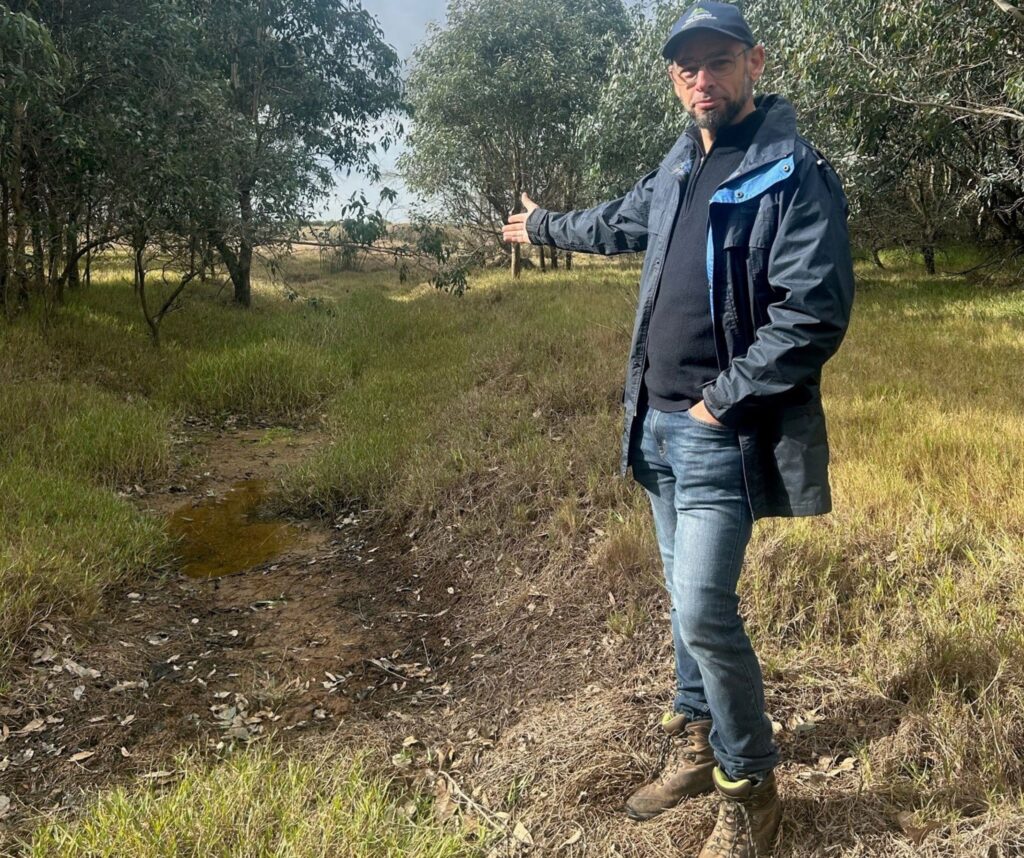
New watering infrastructure at Heart Morass on Gunaikurnai Country is playing its part in protecting the Gippsland Lakes’ precious fringing wetlands.
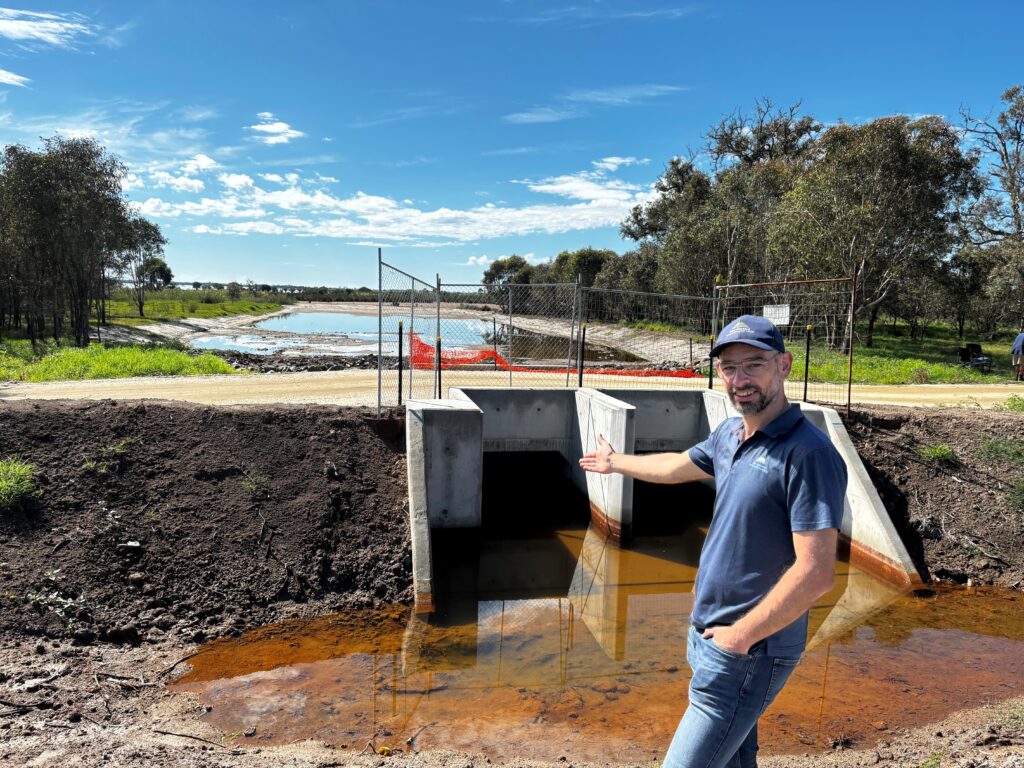
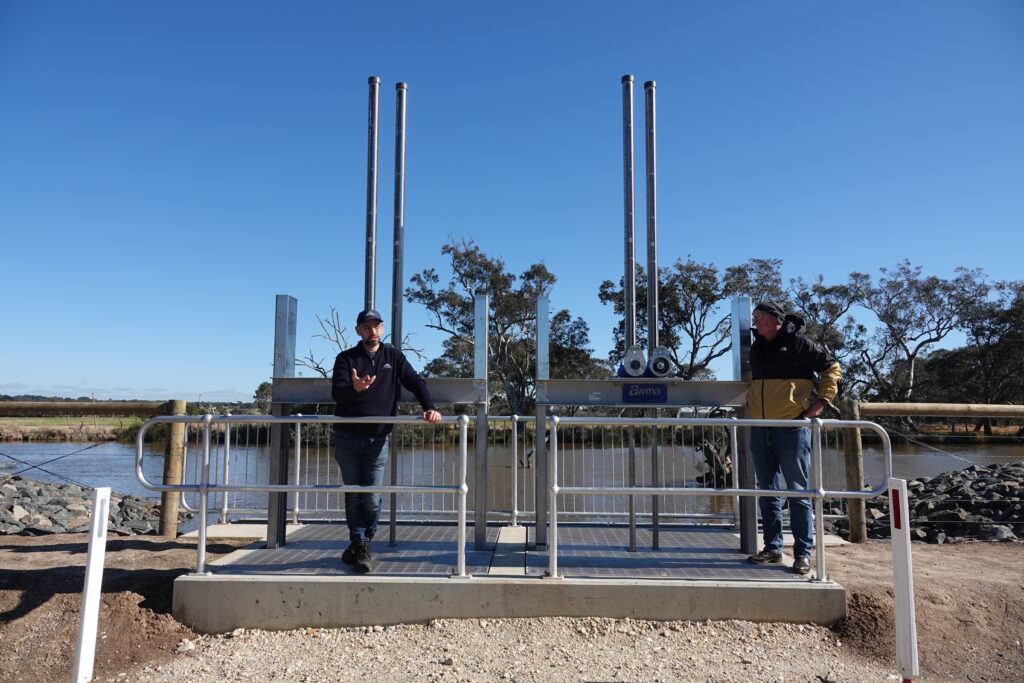
The recently completed structure is a feat of engineering allowing freshwater to flow in and out of the wetland from the adjacent Durt’Yowan (Latrobe River) when needed. This helps keep the wetland’s salinity levels at a healthy level before the water ultimately flows out into the world-renowned Gippsland Lakes.
A river offtake channel was constructed to allow water to drain from the river into the wetland. Water control gates installed onto some culverts to control the flow of water entering the wetland. These will play a new role in helping to add freshwater as needed to keep the wetland healthy.
The use of water for the environment from an entitlement for the Lower Latrobe Wetlands will be primarily controlled by the new structure to play a key role in restoring natural wetting and drying phases and improving the health of the overall ecosystem.
The floodgates and inflow drain are the largest of four critical watering infrastructures being built or upgraded as part of this project. It delivers on State government funding to enable effective wetland management of 3,600 hectares of the Gippsland Lakes’ fringing wetlands. One upgrade has been completed so far, at Sale Common and works will also soon begin on new infrastructure and upgrading existing infrastructure at Dowd Morass.
Known collectively as the Lower Latrobe wetlands – each wetland provides an important function for plants and wildlife to feed, breed and have refuge. These works future-proof the wetlands against medium-term climate change making it possible to add and keep a supply of fresh water all year round.
At Heart Morass, the gates are open and the new unit is currently delivering freshwater to the top of the morass. An outlet in the south allows water to drain into the Gippsland Lakes. The additional freshwater inflow reduces salinity and improves the overall quality of the water ultimately flowing back out into the Lakes.
The complex project took many years of planning resulting in a clever and purpose-built design, engineered to sustain the changing conditions – from flood to drought. The inlet even features carp screens (a row of metal slats) that allow smaller native fish to enter but keep the larger non-native carp out.
“It’s wonderful that we have achieved some purpose-built infrastructure for these wetlands and to be able to put back into nature some of what has historically been taken away, so these wetlands can thrive,” said David Stork, Waterways Project Officer for West Gippsland CMA.
Heart Morass is owned by Sale Field and Game and is a significant restoration story, led primarily by volunteers, who have transformed what was a moonscape into a vibrant wetland which, along with the allocation of water for the environment, play a key role in making this infrastructure work as effectively as possible.
“We don’t manage individual sites; we manage a river system where everything is connected. We make sure the rivers are in good health and have enough water to continue to function. The new wetland watering inlet is the much-needed link in the chain to provide and secure freshwater inflows into the wetland now and into the future. It provides the ability to ensure this significant and productive wetland is around for generations to come,” David said.
Learn more about this exciting project on episode #79 of our Gippslandscapes podcast.
This initiative is supported by the Victorian Government.