
West Gippsland Catchment Management Authority has been working with landholders on two projects to repair local waterways to provide a legacy for the environment and build a landscape more able to withstand climate change impacts.
The projects on two farms – one a dairy enterprise and the other with beef cattle – are separated by a few kilometres and situated along the Avon River and Nuntin Creek. Since European settlement, these waterways have provided water for stock and irrigation and borne the impact of agricultural practices as rivers were straightened rivers, dams constructed, and wetlands drained.
“Partnering with landholders like the Connor and Cliff families is such a wonderful part of our work,’ said CEO (Chief Executive Officer) of WGCMA, Martin Fuller.
“It’s partnerships like this that help put another small piece in the jigsaw of repairing and improving landscapes right across the West Gippsland CMA region,” added Martin.
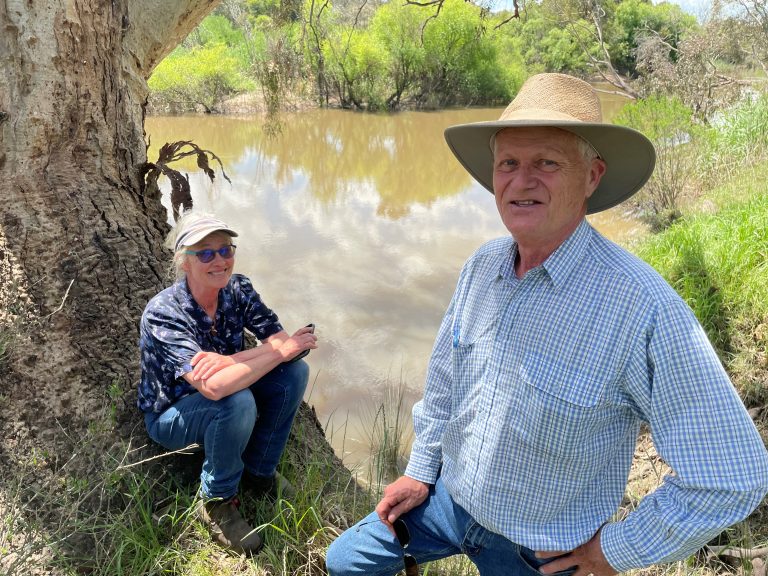
The 11-hectare Connor site has around 300 metres of Avon River frontage which would be inundated in even a minor flood event. Before this project, a historic drainage channel quickly returned this floodwater to the Avon which significantly reduced the time the water remained on the property and contributed to an increase in salinity.
Earthworks to restore the natural flow of water on the site were conducted in mid-November 2022. The wetland will now retain floodwater for longer, provide important habitat for wetland flora and fauna and slow the flow of nutrient heavy floodwaters towards the Gippsland Lakes.
It’s clear when walking the Connor property, the affection both Mary and Howard Connor have for the site, which they purchased three years ago.
“I love the landscape. I love plants and it’s a challenge – but not a bad one!” said Mary.
Livestock have been excluded from the site for three years, allowing natural regrowth to occur.
“At the moment you can see there are lots of red gums coming along in various stages of growth, some really just erupting seedlings and others two to three metres high since we stopped the cattle coming in,” said Howard.
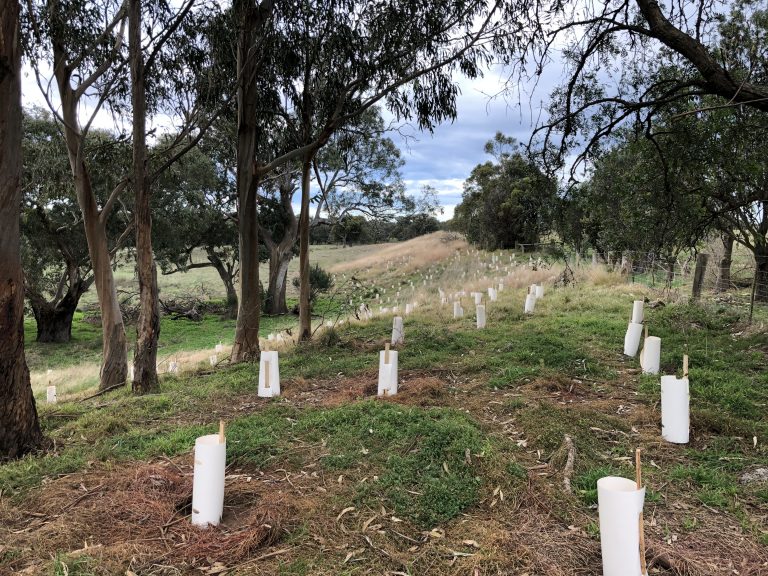
Revegetation funded by this project and planted by Gunaikurnai Land and Waters Aboriginal Corporation (GLaWAC) will add to this natural regrowth, supplying greater resilience and increasing genetic and species diversity. Seed from nearby salt affected areas was used for the planting and will increase the hardiness of the wetland in the face of encroaching salinisation.
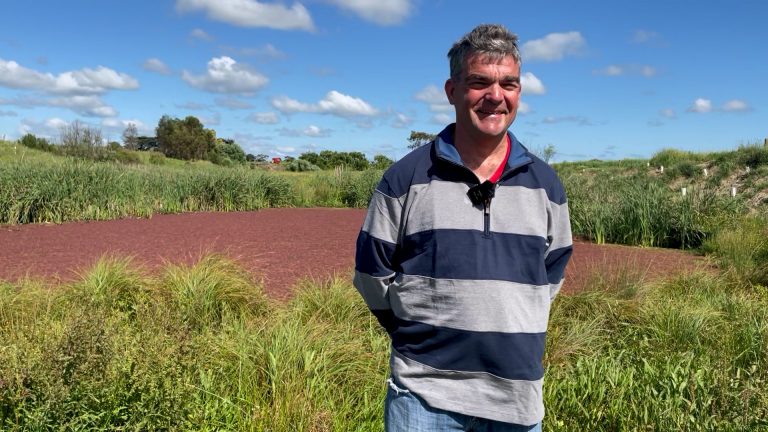
Less than five kilometres away is the Cliff family farm, milking 650 cows on land bordered by the Avon River, Princes Highway and the Nuntin Creek.
The seven-hectare revegetation site includes naturally occurring wetlands, which for generations have been incorporated into the day-to-day farming practice.
Today the farm is the picture of a modern farming enterprise. Large centre pivot irrigation, cows wearing data collecting collars, a 40-stand rotary platform and, unfortunately, a near complete absence of native trees.
“We bought this property in 1948. My dad has recollections of much more native flora and fauna such as paperbarks and ringtail possums. Now, there are a couple of big gum trees that’s about it,” said Anthony Cliff.
Given the rather denuded landscape and the Nuntin Creek historically being seen largely as a drain for the neighbouring farms from the Macalister Irrigation District, the project Anthony has embarked on feels like a fresh start for this small pocket of the local environment.
An area totaling more than six hectares has seen willow removal, weed treatment, fencing, and the planting of 5,000 native trees and shrubs.
“They’ve planted a few different species around the site, trying to build some resilience around climate change. It’s a bit of an experiment but it will look fantastic in a few years’ time,” says Anthony, who sees the emergence of climate change as a prompt to continue some of the practices he has used on the farm for many years as well as to build in some new ones.
Anthony, who is working on fencing off and planting around other water courses on the farm, says that small individual projects shouldn’t be dismissed, but rather seen through the lens of multiple projects all combining to make significant differences to local environments.
“If everyone gets on board, they’ll contribute and add up to one big project – suck the carbon back in by planting trees. We’ve got to do a lot more here, but if you can get the whole district engaged and everyone doing a little more, that makes a difference.”
To hear from the landholders themselves, tune into Episode 64 of Gippslandscapes.
This project was funded by the Victorian Government’s Supporting Our Regions to Adapt Program, which aims to provide practical support for regional communities to build their resilience to climate change.
3 May, 2023
West Gippsland Catchment Management Authority (WGCMA) is proud to report on achievements made in 2022 – which was a special year as the Authority celebrated 25 years since it was established in 1997.
“We are extremely proud to continue to deliver environmental initiatives funded by the Victorian and Australian governments and acknowledge the Traditional Owners, partners and community,” said WGCMA Board Chair, Mikaela Power.
“Together we achieved 1,247 hectares of weed control, 44 hectares of revegetation and vegetation enhancement and 2,357 hectares are set to benefit from whole farm, irrigation and soil erosion management plans.”
“One key highlight was delivering a remarkable flood recovery program arising from the significant storm and flood event that hit the region in June 2021.”
Works along waterways focused on creating wildlife habitat and building waterway resilience including:
- Fencing 27 kilometres of priority waterways
- Removing 38 hectares of willow
- Stabilising riverbeds and banks at 44 sites.
Along the coast, works protected areas such as internationally renowned Corner Inlet, including:
- Fencing four kilometres and revegetating 18 hectares
- Protecting and enhancing 468 hectares of saltmarsh
- Treating 681 hectares of the weed Spartina in Corner, Shallow and Andersons inlets
- Covering 529 hectares for fox control.
“We are delighted to be playing our part in flood recovery and caring for West Gippsland’s precious waterways and the people who rely on them. All of these achievements add up to improved catchment health that ultimately contributes to Gippsland’s wealth,” concluded Mikaela.
View our latest Achievements Brochure and Annual Report, and thanks to everyone for their ongoing support.
The winners of the West Gippsland Catchment Management Authority’s ‘Your Weekend, Your Waterway’ photo competition have been announced with winners in four categories being acknowledged and rewarded.
“The theme of this year’s competition prompted people to get out and explore the wonderful waterways we have around the region,” said CEO of the WGCMA, Martin Fuller.
“Not surprisingly, some lovely images have been taken and shared and I must say a big thank you to everyone who took part.”
The photographs will form part of the WGCMA’s annual Seasonal Watering Proposal document to be submitted to the Victorian Environmental Water Holder. Once approved, this determines allocations of water from storages released to promote and support healthy waterways and ecosystems.
“Environmental water plays an important role in improving the health of rivers and wetlands in West Gippsland and this is guided by Seasonal Watering Plans approved by the Victorian Environmental Water Holder,” said Martin.
The three waterways that receive environmental water deliveries in West Gippsland formed the photo competition categories.
The winners of each section were:
Overall winner
The overall competition winner was James Kettner with his image “Picnic”, taken at the Cowwarr Weir shown below.

Durt-Yowan
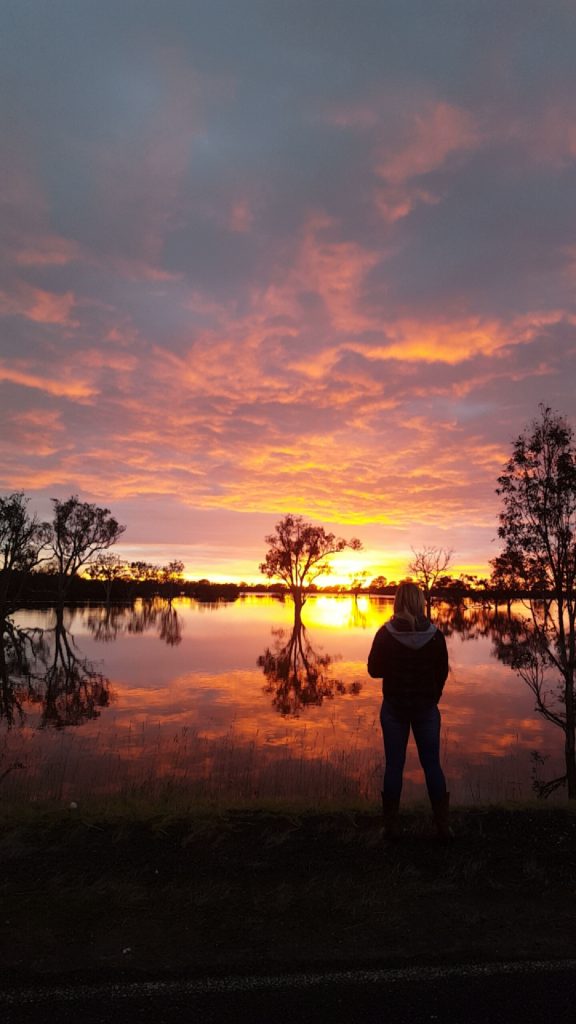
Durt-Yowan (Latrobe River) anywhere downstream from Lake Narracan, including the Lower Latrobe Wetlands ie: Dowd Morass, Heart Morass and Sale Common.
Winner: Ellie Harrington
📷 Ellie Harrington
Wirn wirndook Yeerung
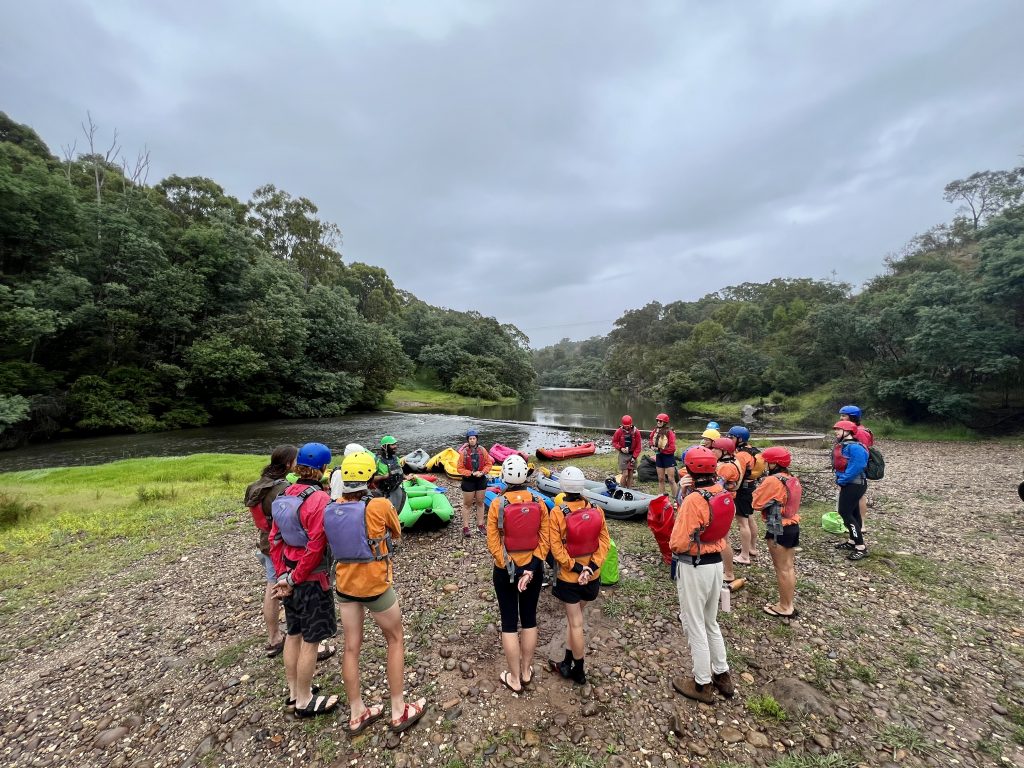
Wirn wirndook Yeerung (Macalister River), this category was open to entries of photos that were taken anywhere downstream from Lake Glenmaggie.
Winner: Claire Jobling
📷 Claire Jobling
Carran Carran
Carran Carran (Thomson River), this section was open to entries that included the Heyfield Wetlands (anywhere downstream from the Thomson Reservoir)
Winner: Sarah Heath
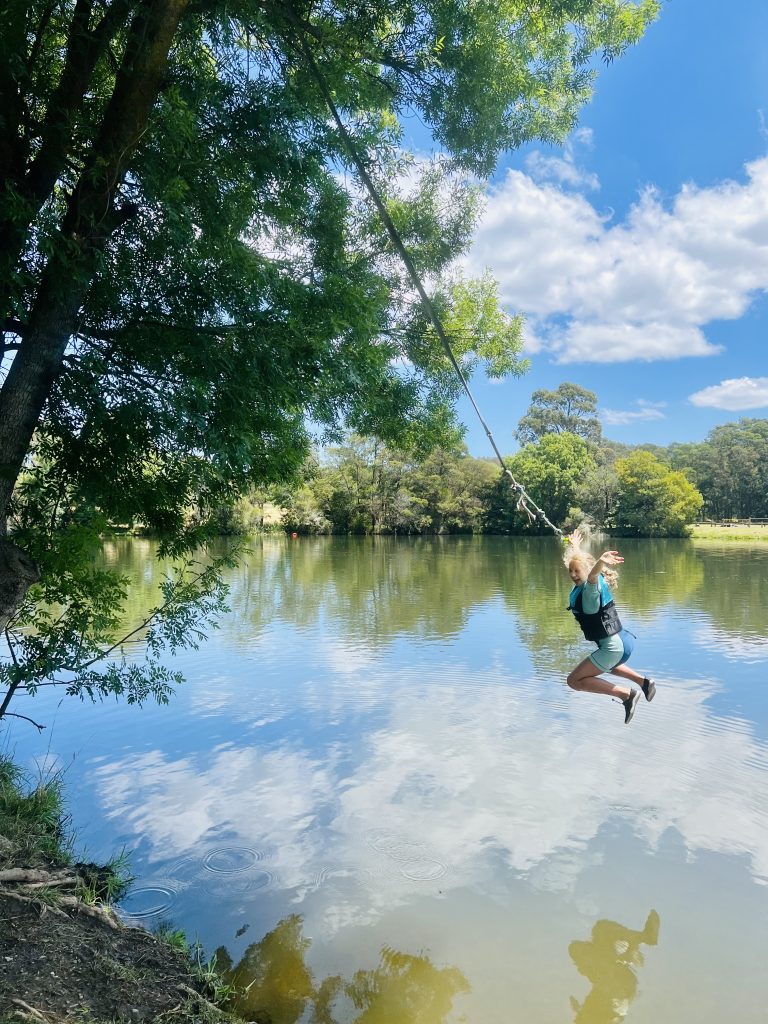
📷 Sarah Heath
30 March, 2023
We are inviting expressions of interest from contractors for our panel of preferred contractors to undertake works as required for the following services:
- Agricultural fencing of waterways, gullies and environmental projects
- Weed control and revegetation services
- Earthmoving, truck and associated equipment hire.
The panel of preferred contractors will run for a period of three years starting 1 July, 2023.
All of the information regarding this EOI including the online form for the applicants response, can be accessed via the links below:
Part C – EOI Applicants Response
This EOI will close at 4pm on Friday, 14 April, 2023.