
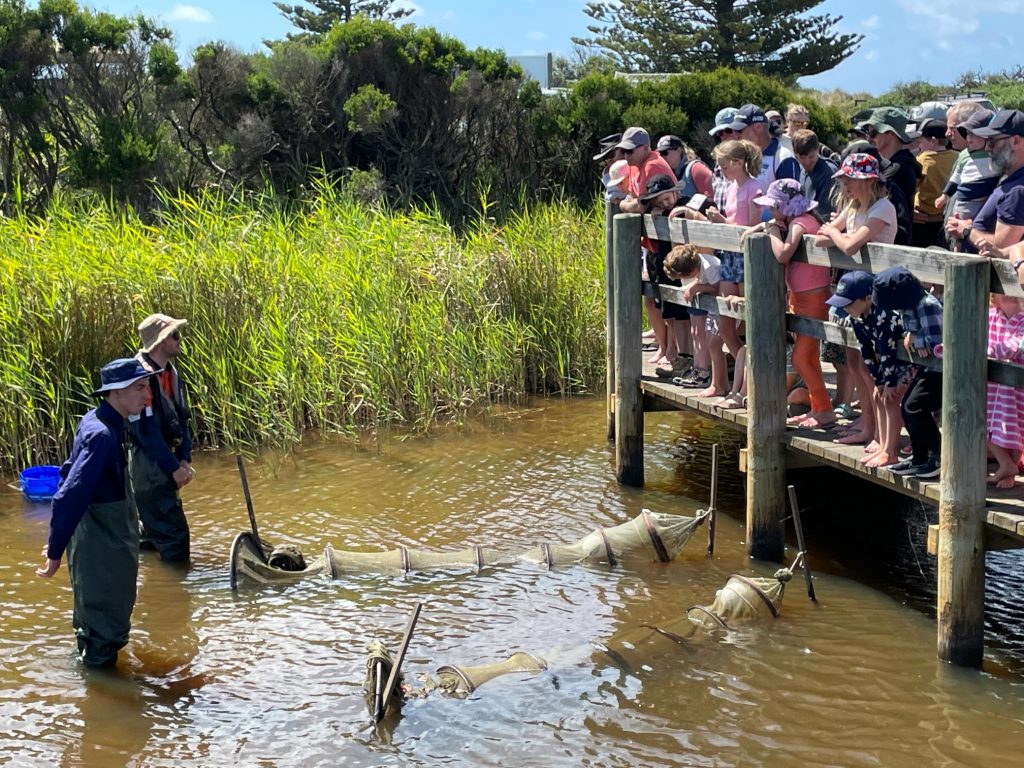
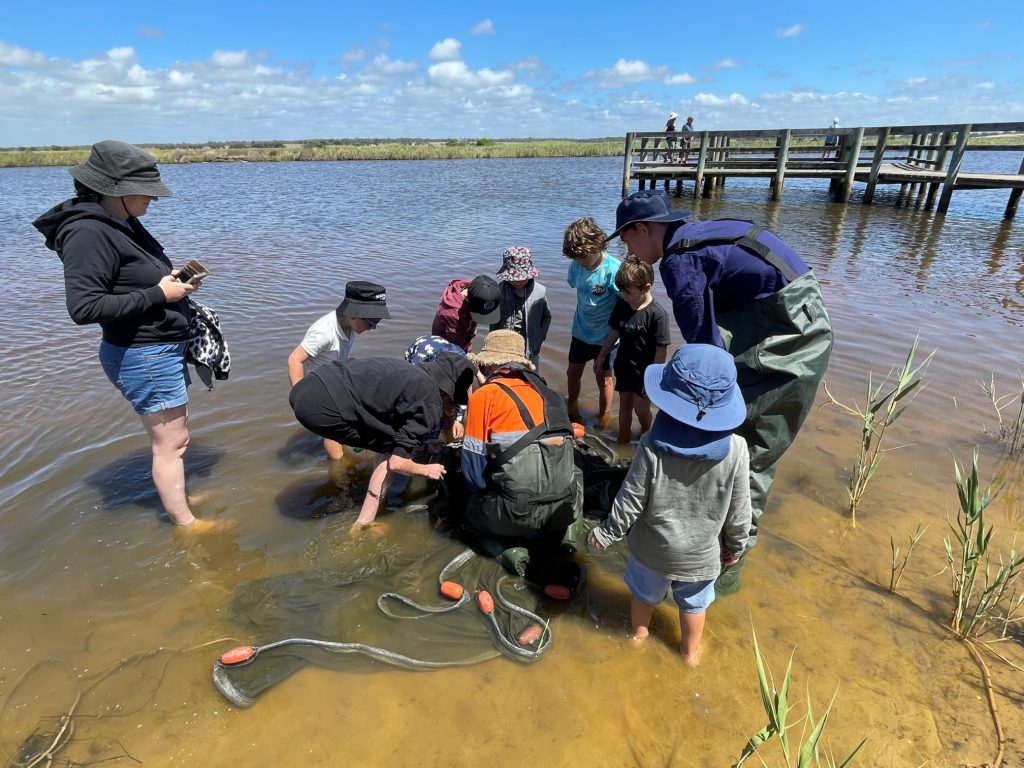
It was fun and merriment at Merriman Creek when over 75 enthusiastic river lovers joined the Meet the Merriman event, hosted by West Gippsland Catchment Management Authority (WGCMA) recently.
“It was a great turnout with more people than we expected coming along because they were interested in the estuary,” said WGCMA Coastal Waterways Officer Callum Edwards.
“We held the event so that the community can have a greater appreciation of what lives in Merriman Creek estuary and learn how the estuary changes over the year and why it is so special. We also wanted to learn from the community about what they enjoy most about Merriman Creek estuary and how they like to use it,” said Callum.
It was a fun morning of discovery with everyone learning just what lies below the surface in the estuary and the wealth of life there.
The enthusiastic crowd enjoyed discovering waterbugs and insects with John and Olivia from Bug Blitz Trust, and Jackson from Austral Research and Consulting also caught fish in nets to show participants what fish live in the estuary and further upstream.
“But the highlight was everyone having fun and learning more about Merriman Creek estuary and what lives in it, especially since they spend so much time down at the creek!” Callum said.
Estuaries (where rivers meet the sea) are an important link between the ocean and land. A meeting place where fresh water from rivers and streams mixes with salty marine waters. Estuaries are dependent on both water fresh and salt water sources to maintain a healthy environment.
Merriman Creek flows east from the Strzelecki Hills and out to sea on the edge of the township of Seaspray. The estuary also has high cultural significance for the Gunaikurnai. Merriman Creek estuary is listed as a priority waterway in the current Regional Water Strategy and in the Regional Catchment Strategy.
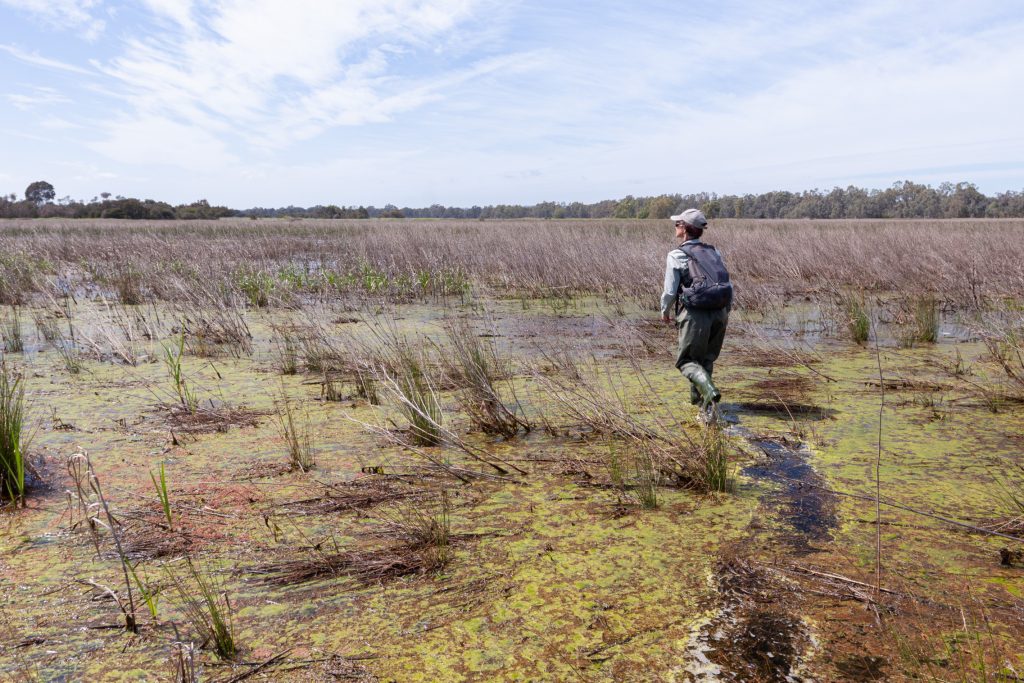 Heart Morass wetland
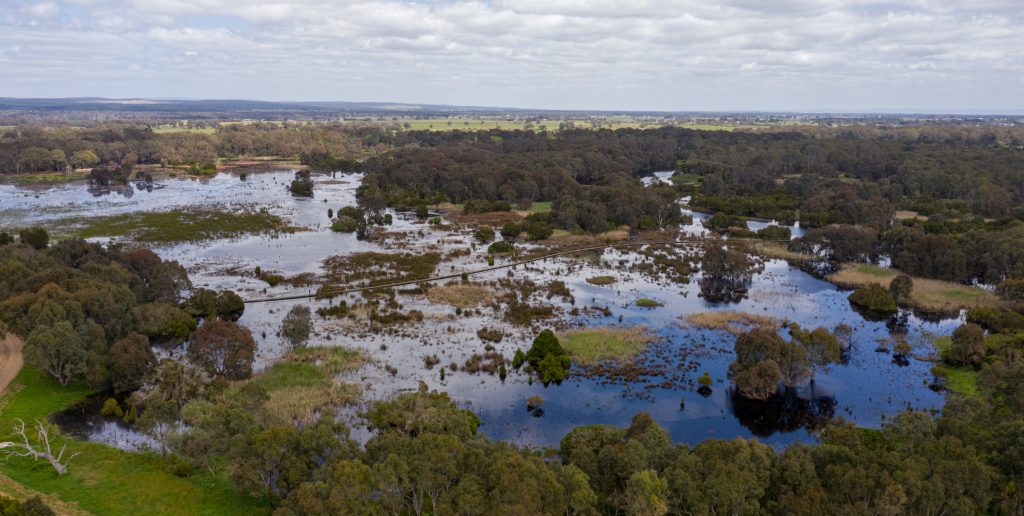 Heart Morass after the floods 2022
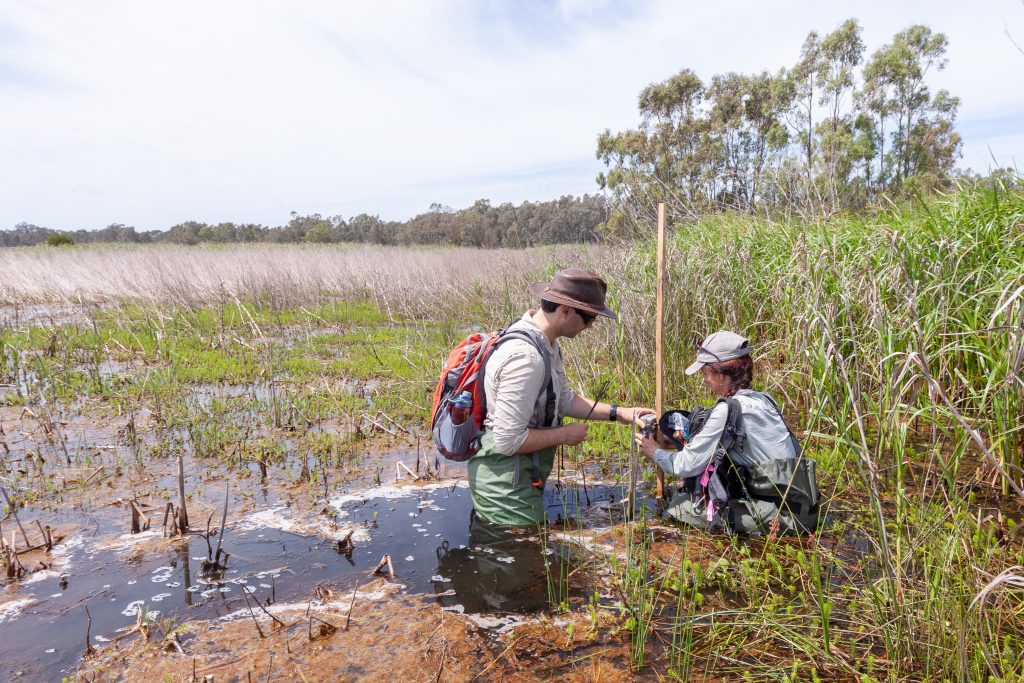 Bittern hunt, Heart Morass – Adrian Clements (WGCMA), Deb Sullivan (Birdlife Australia)
Wetlands are essential for the health of people and the planet. With 35% of the world’s wetlands having disappeared in the past 50 years, West Gippsland Catchment Management Authority (WGCMA) is proud to be working all year round reflecting this year’s World Wetlands Day theme to ‘revive and restore degraded wetlands.
Celebrated annually on 2 February, the international day aims to raise global awareness about the vital role of wetlands for people and planet.
In Gippsland there are many ecologically and recreationaly important wetlands, including two Ramsar-listed wetlands – Gippsland Lakes and Corner Inlet.
“There is a lot to celebrate about the restoration and protection of wetlands across the vast West Gippsland region,” said WGCMA CEO Martin Fuller.
“As well as having strong cultural significance, they provide essential habitat for wading birds and wildlife. They also protect the environment by capturing and filtering water and acting as a natural sponge to absorb, store and reduce flood levels.”
“There are many examples of wetland restoration in keeping with this year’s theme – including mighty stories of partnerships to restore and protect wetlands such as Heyfield, Heart Morass and the Lower Latrobe,” said Martin.
“There are also many private landholders who have created wetlands on their property and are actively contributing to ongoing wetland recovery across the region.”
The CMA is proud to be part of protecting these wetlands that have all been improved through community effort such as tree planting with Landcare and partners, citizen science monitoring through programs like Waterwatch and strong partnerships to secure funding for initiatives such as watering infrastructure in the Lower Latrobe.
Results from ongoing efforts are encouraging and the combination of recent high rainfall and ongoing, managed, deliveries of environmental water are seeing wetlands coming back to life along with wildlife, including endangered species such as the Australasian Bittern and Growling Grass Frog, returning to feed and breed.
“Wetlands are essential to the health of the West Gippsland catchment and we will continue to work together with Traditional Owners, community and partners to help these important ecosystems thrive. Much of the groundwork has been done and we look forward to continuing to redress the impact on these important areas,” said Martin.
Celebrate with us
35% of the world’s wetlands have disappeared in the last 50 years and Heart Morass is a perfect example of a community effort to restore a wetland and a showcase of the benefits wetlands have for wildlife, community and the environment.
You are invited to celebrate World Wetlands day this Thursday 2 February with the team who truly love wetlands! West Gippsland Catchment Management Authority (CMA) and the Love Our Lakes team will be joining BirdLife Australia, Field and Game and the Bug Blitz crew to present a fun discovery of the Heart Morass wetland and its amazing restoration story.
You are invited to celebrate World Wetlands day with the team who love wetlands!
Come along to Heart Morass in Sale to learn about the importance of taking care of our wetlands, discover their wonders and hear their stories.
Celebrate with us
This event will include a guided walk with ecologists and land managers, a water bug activity for the kids and a sausage sizzle.
When: Thursday 2 February, 2023
Time: 5.30pm – 7pm
Where: Heart Morass Wetland
Meet at the gate into Heart Morass via the Swing Bridge Drive, Sale 3850
This fun, family friendly and free event starts at 5.30pm and is open to all ages and will include a guided walk with the team, water bug activities led by Bug Blitz for the kids and a sausage sizzle.
While the event is free, we please ask you to register via the Try Booking link here
Gippslandscapes is an occasional podcast, highlighting the many people doing great things caring for the environment and improving the landscapes of our region. Whether they are farmers, “townies” involved in Landcare, or just someone with a passion to make the region a better place.
Each episode will feature one person or group and they are available by clicking on the links below and are searchable wherever you get your podcasts.
Episode 64: Adapting landscapes to meet demands of climate change
Episode 63: Award winning community wetlands – Heyfield
Episode 62: Happy birthday to us! 25 years of the WGCMA
Episode 61: The regeneration of the Callignee Landcare Group
Episode 60: Celebrating Rural Women
Episode 59: Duncan Fraser – Bell Bird Corner and a life in conservation
Episode 58: Gippsland Intrepid – Landcare for a new generation
Episode 57: Climate farming with Sandra Jefford
Episode 56: Reducing our own personal greenhouse footprint
Episode 55: Anne Davie OAM – a life in Landcare
Episode 54: Water is life! – Managing water so farmers, the environment and Traditional Owners get a share.
Episode 53: Meeting the demands of climate change and customer expectations while managing a sustainable beef business
Episode 52: Meeting Anna and Dani at the Bass Coast Landcare Indigenous Nursery.
Episode 51: Wading through the waters to find what’s happening below.
Episode 50: Restoring the Agnes River – a 20 year project with an end in sight.
Episode 49: Checking out the workhorses of the environment – Wetlands. As we celebrate World Wetlands Day on Feb 2.
While the election campaign for state parliament might be over, the real battle in Gippsland is just about to get started!
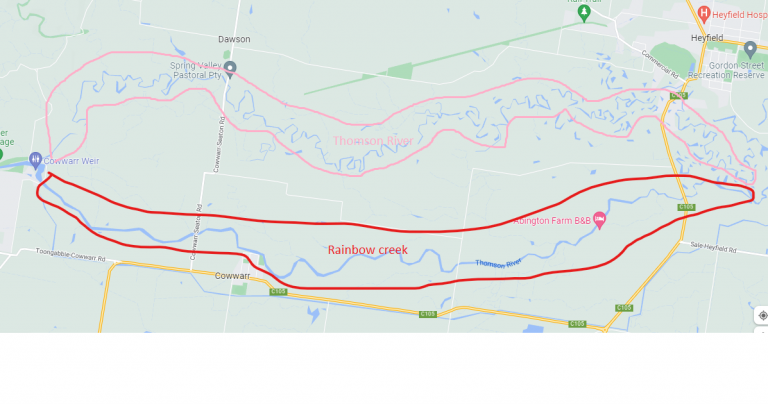
Landholders around the Rainbow Creek near Heyfield and Cowwarr, supported by the West Gippsland Catchment Management Authority (WGCMA) are taking on Google to right a wrong.
“All we want is our Rainbow back,” said David Stork of the WGCMA.
“Google Maps insists on labelling the Rainbow Creek as the Thomson River when in fact they are two separate waterways.
This is more than a petty annoyance, rivers and other waterways are major landmarks in Gippsland so having them labelled correctly for visitors and locals is important.”
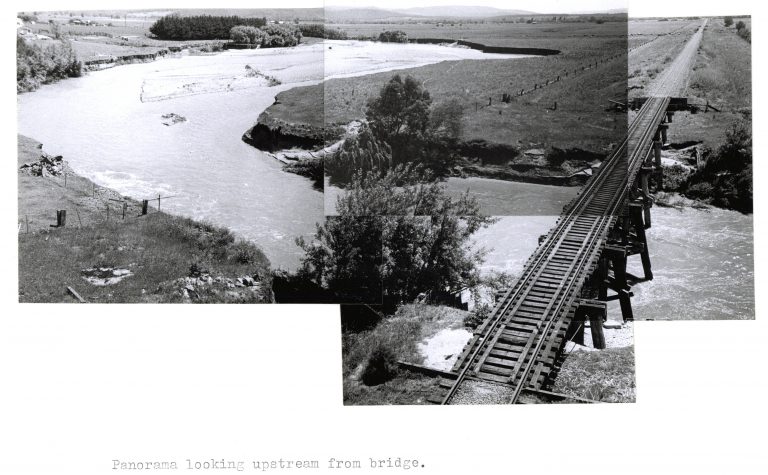
The Rainbow formed as a breakaway from the Thomson River in the 1950s and at the time caused major erosion, loss of productive farmland and a loss of flow into the Thomson River.
The flood event that saw the Rainbow Creek formed even led to a secessionist movement for landholders to declare a separate state within Victoria.
“If it was a case of clicking our heels three times and wishing the Rainbow were correctly named, that would be lovely. Unfortunately, this is Google we’re dealing with, so we need to try another tack.
“What we need and would be grateful for is members of the community to join the fight by going to the Google Community Groups page at bit.ly/gippsrainbow and either voting the comment up or leaving a commentin support of the name correction.
Let’s hope that this campaign can work and that dreams that we dare to dream, really do come true,” concluded David.
Victoria and West Gippsland’s Landcare volunteers are receiving more support thanks to this year’s Victorian Landcare Grants and Victorian Junior Landcare and Biodiversity Grants.
Minister for the Environment and Climate Action Lily D’Ambrosio today announced the recipients of $3.6 million for the grants to support volunteers and young Victorians in caring for the state’s natural environment.
The grants will fund 327 on-ground and educational projects focused on biodiversity protection and provide additional financial support to more than 280 environmental volunteer groups. These grants will fund a diverse range of hands-on projects and educational activities, helping young Victorians learn more about Victoria’s biodiversity and protecting native plants, insects and wildlife.
CEO of WGCMA, Martin Fuller said: “I am delighted that West Gippsland Landcare groups received $318,250 for 19 projects and 28 support grants.
“Landcare groups and valued volunteers make an enormous contribution to West Gippsland’s environment and we are proud of these new and ongoing initiatives.”
Successful projects extend from Maffra to Wonthaggi and range from restoring habitat for the endangered Lace Monitor and Koala, to putting the fish back in Fish Creek, linking landscapes around Maffra and a blitz on bushland weeds in Wonthaggi’s unique reserves.
Junior Landcare grant projects in the region include a Biodiversity Boardwalk at the Bass Coast Specialist School.
The West Gippsland Dung Beetle Project will be delivered by Latrobe Catchment Landcare in partnership with Maffra District Landcare to engage and involve community to increase their capacity to monitor and protect existing dung beetle populations. Together, they will set up a beetle exchange program which involves swapping beetle species that are abundant in one location but uncommon in another.
The Community Conservation in the Tarwin Valley initiative will see Nerrena/Tarwin Valley Landcare group taking a different approach in promoting Landcare and engaging new landcarers. This project also includes developing four case studies and running six events to build one kilometre of fencing and revegetate 4.2 hectares of native vegetation.
“We are very grateful to get the funds,” says group secretary Jill Vella.
“We are going to explore storytelling to learn how to get our message across through case studies of renewal and engagement.”
Group president, Sue Miles noted that the project had been developed via surveys that indicated a need for more community engagement.
“We are very much grass roots – working with landholders is at the centre of what we do. This grant allows us to also capture our story and the imaginations of the younger generations – which is where we need to be,” said Sue.
Minister for the Environment and Climate Action Lily D’Ambrosio said: “Since it started more than 30 years ago, Landcare has made a great contribution to Victoria’s environment and we’re helping them continue to deliver this important work.”
The Victorian Landcare Grants and Victorian Junior Landcare and Biodiversity Grants support the implementation of Protecting Victoria’s Environment – Biodiversity 2037, the Victorian Government’s long-term plan to protect the state’s environment.
These grants are part of the Andrews Labor Government’s long-term plan to protect the environment, which has invested over $560 million in protecting the state’s biodiversity and the environment since 2014.
A full list of the all grant recipients can be found here.
Taking to the skies to protect Corner Inlet
West Gippsland Catchment Management Authority (WGCMA) is working with Parks Victoria to control the weed Spartina with targeted spraying in Corner Inlet this month. The important weed control works will include both on-ground and targeted helicopter spraying to protect the internationally renowned wetland. Also known as Rice Grass or Cordgrass, Spartina was introduced in the 1920s and has since become aggressively invasive, competing with indigenous plants, degrading waterbird and fish habitats and restricting waterways.
“Spartina infestation is a major threat to coastal environments,” said Martin Fuller, WGCMA’s Chief Executive Officer.
“Control of the weed has been undertaken for many years with very positive results. This follow up weed control is crucial to build on the success to date”.
“A helicopter with a snorkel attachment will be used to target the intertidal Spartina in Corner, Inlet, our strong partnership with Parks Victoria ensures land, estuary and coastal public lands are treated for Spartina”.
Mr Fuller explained that controlling Spartina helps improve natural estuary habitat for important fish populations, allows vital plant species such as saltmarsh, mangrove and seagrass to re-establish and improves the feeding and breeding sites for local birds and internationally significant migratory species. “This Spartina control program complements the work we’re doing with farmers and landowners in coastal areas to fence and revegetate, control erosion and protect saltmarsh,” concluded Mr Fuller.
This project is supported by West Gippsland Catchment Management Authority, through funding from the Australian Government’s National Landcare Program.
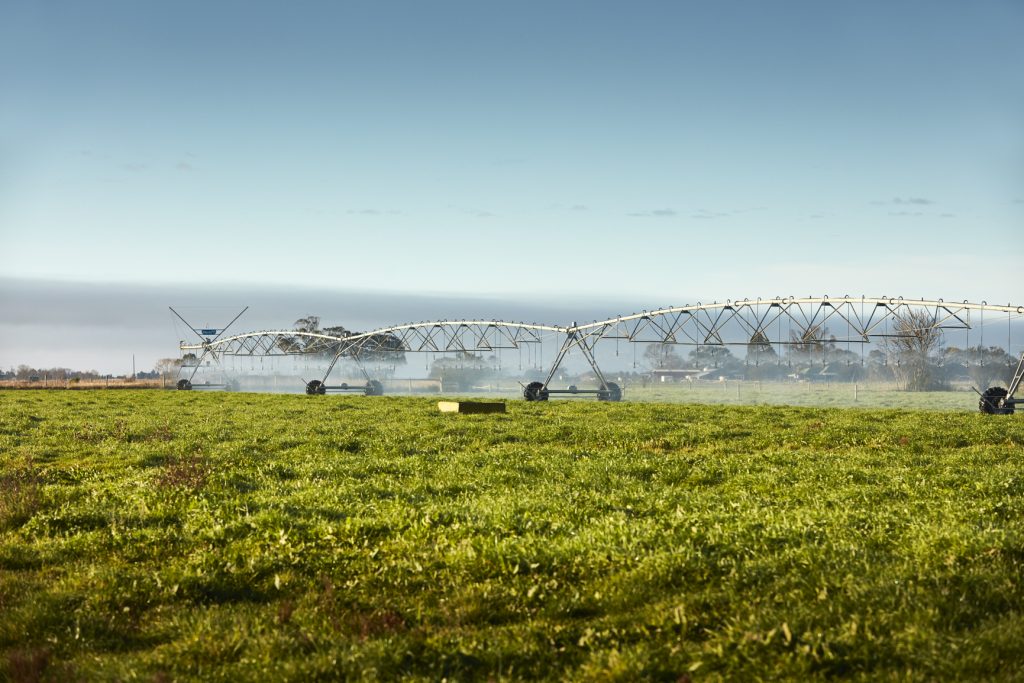
Irrigators with a bright idea are being asked to put their hands up for funds to put it to the test.
The Irrigation Demonstration Project is open to all irrigators in central Gippsland working in all fields of agriculture.
“This is an opportunity for those working in irrigated agriculture who have ever had an idea that might have improved efficiency to put that idea to the test and see if it works,” said Land Programs Coordinator with the West Gippsland Catchment Management Authority (WGCMA) Anthony Goode.
Funding is available for a range of activities ranging from paper-based planning through to the purchasing of equipment and monitoring and evaluation.
The project aims to see applications that may help achieve the goals of the broader Lake Wellington Land and Water Management Plan, which is working towards, reducing nutrient loads into the Gippsland Lakes, encourage regional economic growth and reduce greenhouse emissions from irrigate agriculture.
Irrigators have welcomed the initiative with Macalister Irrigation District farmer Liz Shotter farmer encouraging fellow irrigators to get involved.
“In this day and age, the most dangerous thing we can do is stay the same and not adapt. Projects such as this provides opportunity to think outside the square and trial projects on a smaller scale before replicating in a greater capacity.”
$54,000 is available in total which will be split into at least two projects.
Applications open on 21 February, 2022 and close on 18 March 2022.
Further information including application form and project overview via Landholder Booklet are available below:
On National Threatened Species Day, we are pleased to report that the 2021 statewide Great Australian Platypus Search citizen science project to detect platypus through environmental DNA (eDNA) has revealed that the threatened species is widespread across West Gippsland being found in over ten water waterways across the catchment.
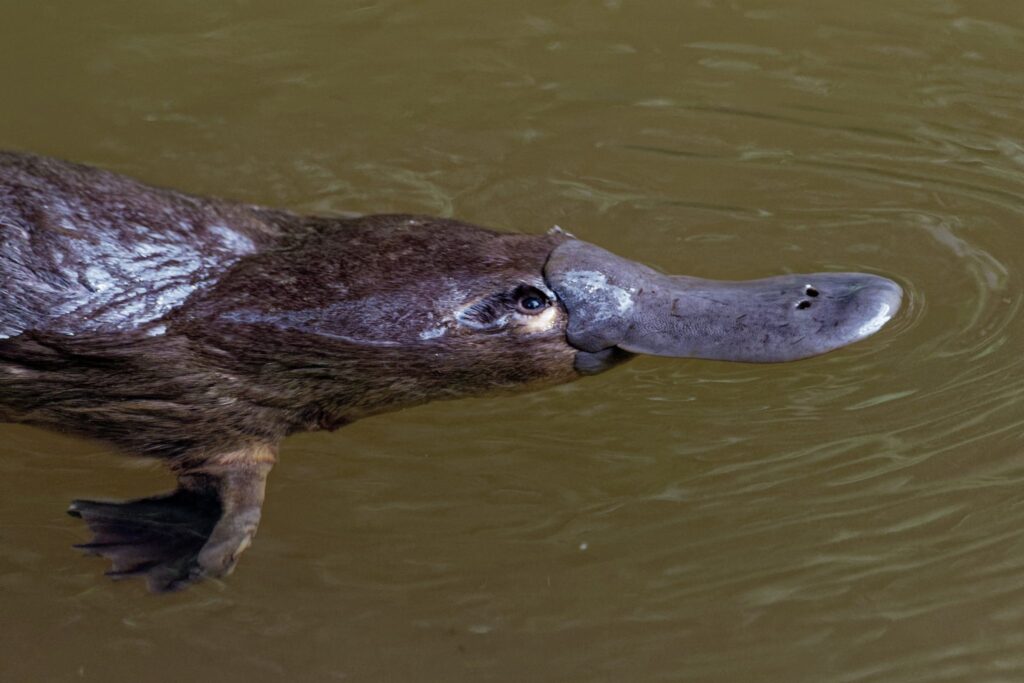
West Gippsland’s Waterwatch volunteers answered the call to assist in the statewide investigation into platypus populations using eDNA led by Waterwatch Victoria in partnership with the Odonata Foundation.
“We are extremely heartened that platypus were detected in 11 waterways across West Gippsland,” said Martin Fuller, CEO of WGCMA.
“It is an indicator of improving waterway health including increased habitat and water quality for wildlife achieved through initiatives such as strategic environmental water releases, fencing and planting to protect and enhance habitat along rivers and creeks and sustainable agricultural initiatives that look after the environment on farms.”
“I would like to thank the dedicated volunteers for giving their time to help to build a picture of the distribution of this very elusive and special animal across West Gippsland. This first step will help us to plan for future conservation efforts for this special threatened species and we are very keen to explore more waterways in the future.”
In January 2021, the Victorian Government announced that it was taking ‘urgent action to protect the platypus” which is now officially a threatened species and listed as vulnerable in Victoria.
“Caring for and improving waterways with Traditional Owners, our partners such as Department of Environment, Land, Water and Planning (DELWP) and its Waterwatch Program along with landholders and volunteers is what CMAs are all about. Creating the potential to further understand the platypus within the West Gippsland catchment is a real highlight for us.”
As a result of Waterwatch Victoria’s involvement, the project saw Waterwatch sites, and additional Traditional Owner sites included as part of the project.
Close to 2,000 sites were sampled across Victoria during the search making it one of the world’s largest citizen science programs. Data will help to build a comprehensive map of platypus populations across the state and will be used by waterway managers to better understand risks and inform appropriate management efforts.
Platypus were found to be widely distributed across West Gippsland with their eDNA being detected in the following waterways:
- Morwell River
- Agnes River
- Franklin River
- Stockyard Creek
- Tarwin River
- Narracan Creek
- Latrobe River
- Tyers River
- Thomson River and Stoney Creek tributary
- Macalister River
- Avon River.
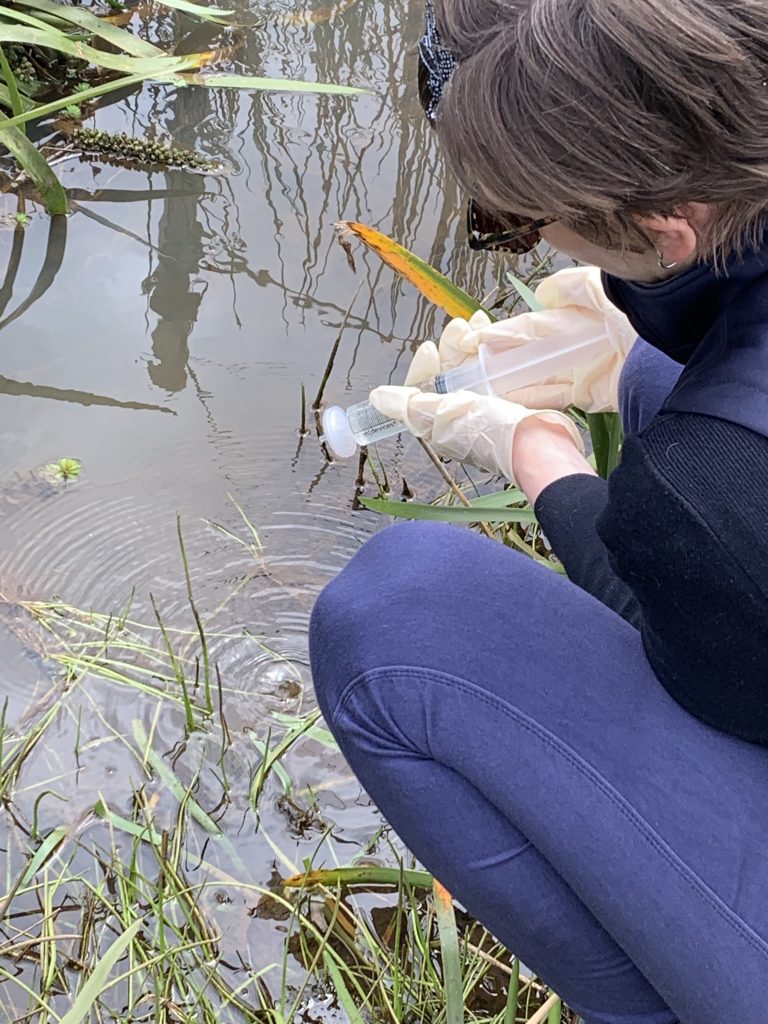
You can also contribute to ongoing platypus monitoring at https://www.platypusnetwork.org.au/home.
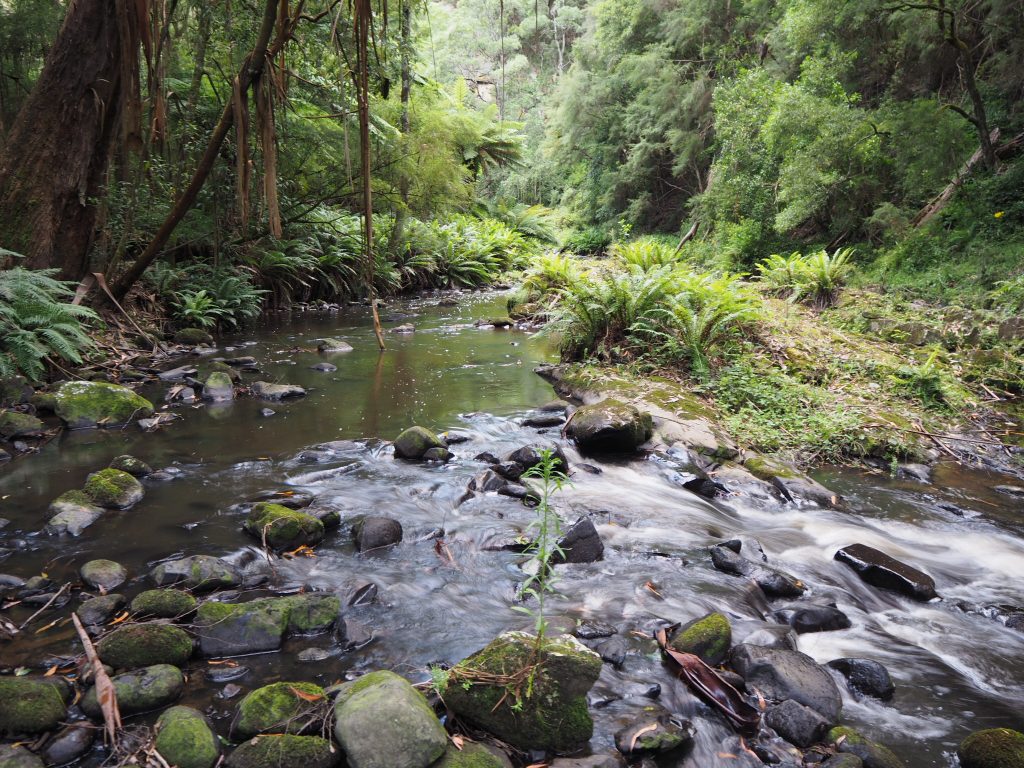
Irrigators in or near the Macalister Irrigation Area (MIA), can now apply to secure funding for farm plans or irrigation system upgrades.
Agriculture Victoria Irrigation extension officer, Alexis Killoran, said irrigators should now apply to the Central Gippsland Irrigation Efficiency Incentives Program.
“We want to support as many irrigators as possible to upgrade their systems,” she said.
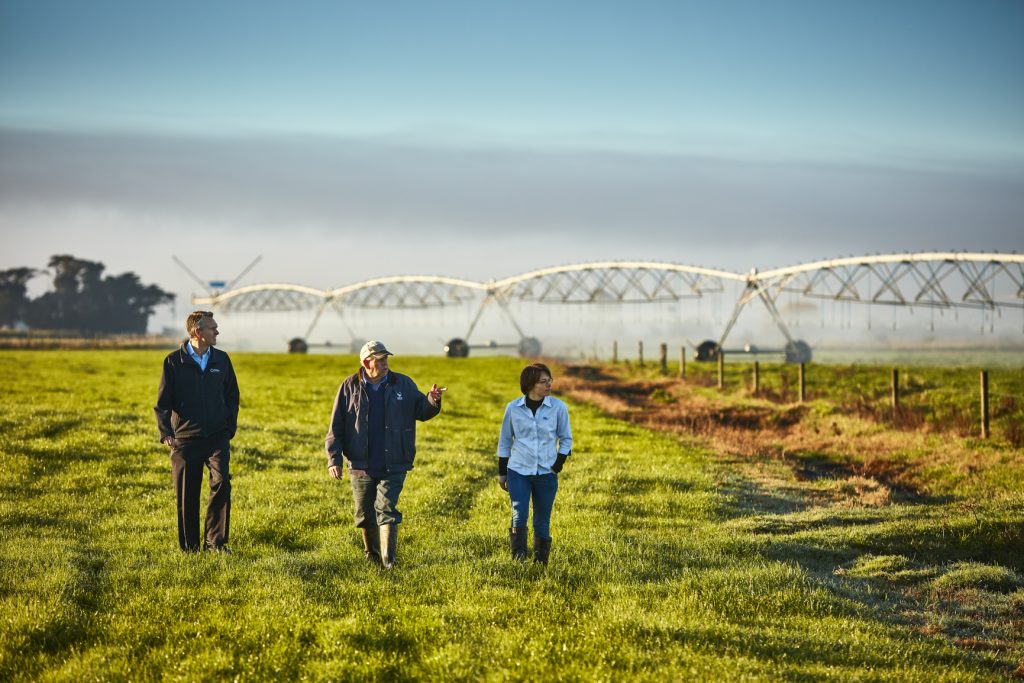
“Improving irrigation systems allows farmers to use their water entitlement better, save money and water, and increase farm productivity.”
Miss Killoran said up to $10,000 per project is available for farm plans, with businesses able to apply for two seperate farm projects.
“Irrigators wanting to upgrade their systems (flood to spray, reuse systems or best practice surface irrigation) can apply for up to $20,000 for on project per business,” she said.
“Applications for irrigation upgrade projects close on Wednesday 31 August, and must be supported by a current and approved farm plan. Applications for farm plan projects close once all funds are allocated, or on 31 August, whichever occurs first.”
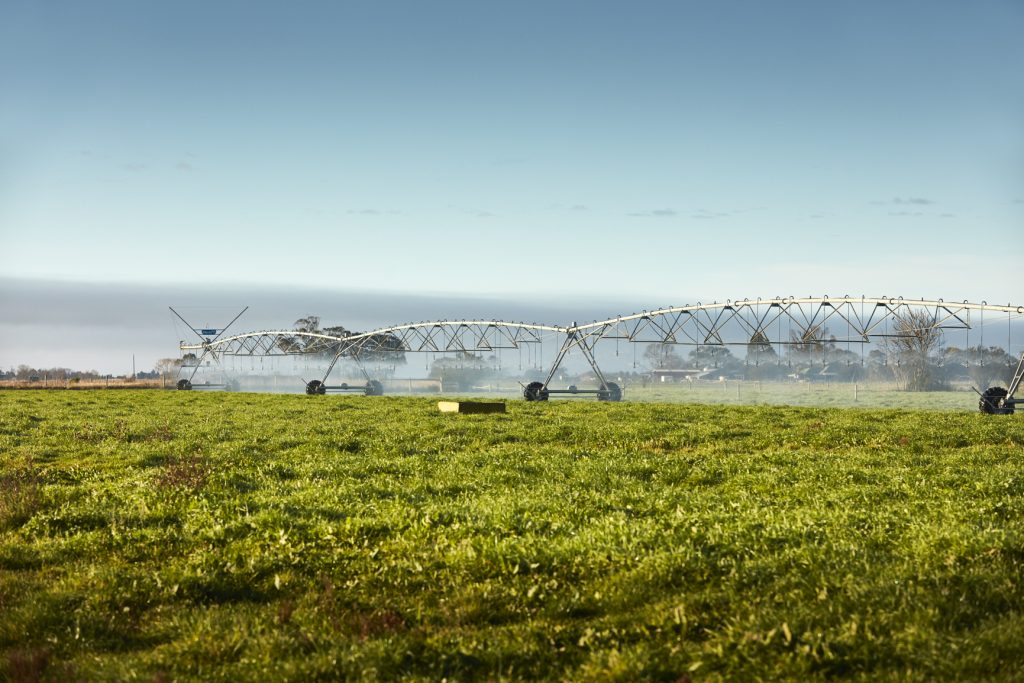
“If you’ve had farm planning or irrigation upgrades on your to-do list, we suggest getting your application in as soon as possible.”
The Central Gippsland Irrigation Efficiency Incentives Program is run by the West Gippsland Catchment Management Authority and Agriculture Victoria, and funded by the State Government’s Sustainable Irrigation Program.
Endangered and significant native fish species will soon be able to travel upstream along the Macalister River, thanks to the Andrews Labor Government’s investment in a new fishway at the Maffra Weir.
Minister for Water Harriet Shing inspected the site of the new Maffra Weir Fishway today – funded as part of a $10 million investment into waterway and catchment health projects in the Victorian Budget 2022/23.
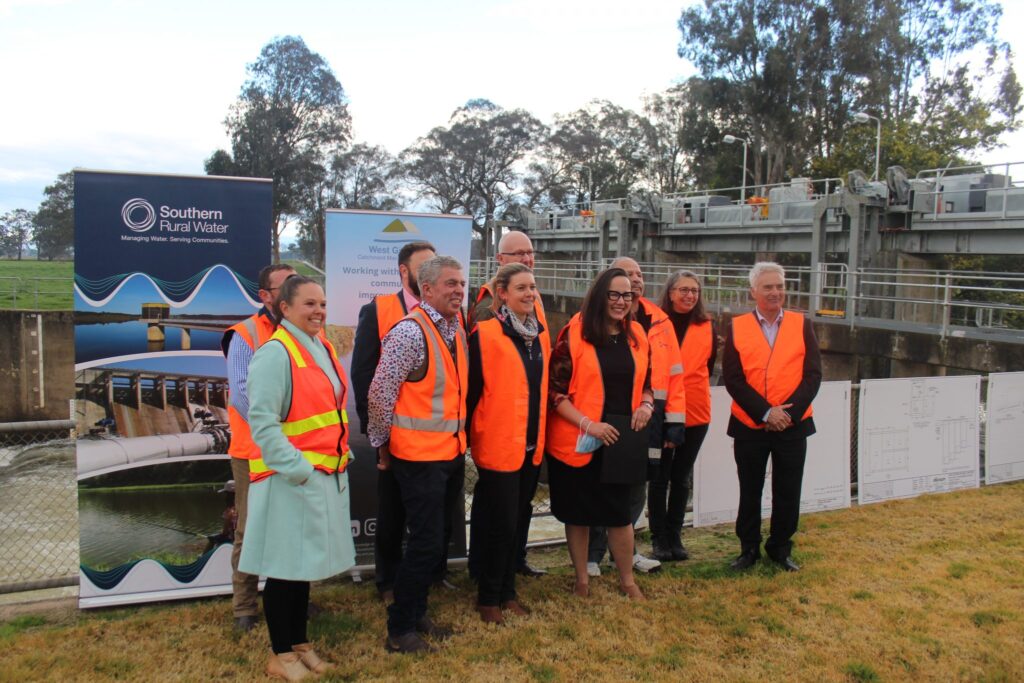
The fishway will connect 34 kilometres of waterway, allowing fish like the Australian Bass, the culturally significant River Blackfish and the endangered Australian Grayling to travel upstream to high-quality river habitat within the system.
Maffra Weir is a major irrigation offtake for the Macalister Irrigation District, but annual fish surveys show that the weir prevents native fish from travelling upstream.
This new fishway will help future-proof the river system and strengthen the climate resilience of local fish populations by allowing them to move upstream in times of drought and enable them to quickly move back into the river reaches when wet conditions return.
Irrigation and environmental water releases from Lake Glenmaggie upstream ensures this section of the Macalister River receives permanent flows for fish to reside.
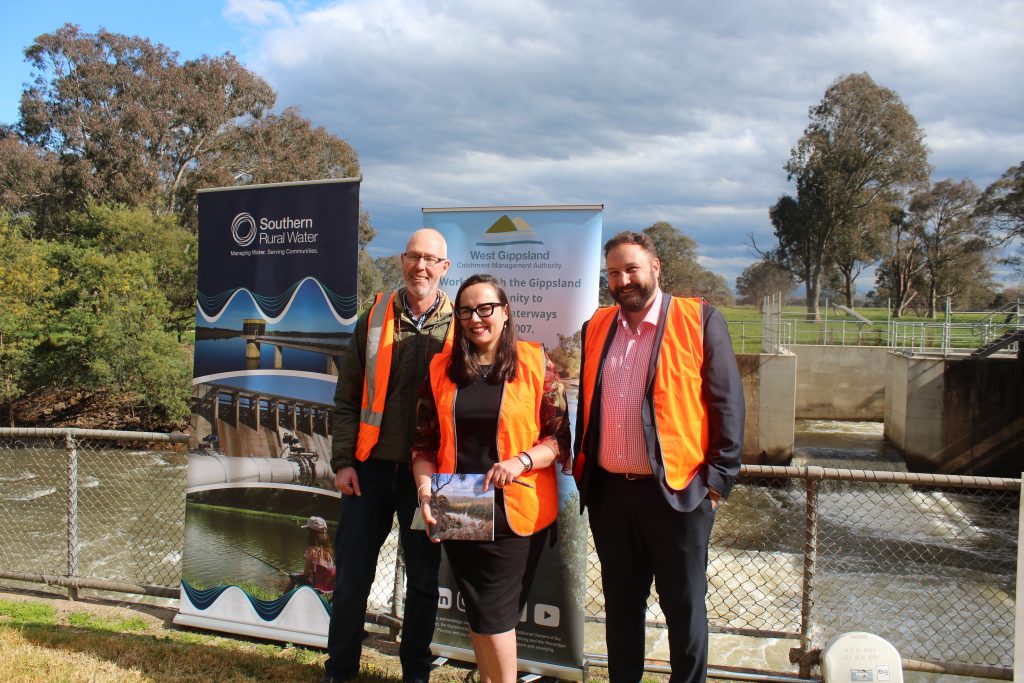
The project will be delivered by West Gippsland Catchment Management Authority in collaboration with Southern Rural Water which manages the weir facility.
Design of the fishway is expected to be complete in late 2024, with construction finished by end of 2027.
Other projects funded as part of the $10 million investment include upgrades to watering infrastructure in West Gippsland to improve water supply to Lower Latrobe wetlands, investigating ways to improve the health of the Moorabool River and upgrade the Werribee Diversion Weir.
Quotes attributable to Minister for Water Harriet Shing
“This exciting new facility will provide 34 kilometres of protected habitat for fish and other species, allowing them to seek refuge and repopulate during times of drought and fires.”
“A project which connects the river via a fishway had strong community support and will deliver on a long-held dream for Gippsland field naturalists – who do valuable work for our community and environment.”