
Making it count for Threatened Species
When it comes to helping save Hooded Plovers from extinction numbers count and West Gippsland Catchment Management Authority (CMA) is thrilled to report that figures from the 2025-26 breeding season in South Gippsland are positive.
The Towards Zero Extinctions: Protecting Eastern Hooded Plovers project is funded by the Australian Government Natural Heritage Trust and delivered by West Gippsland CMA, a member of the Commonwealth Regional Delivery Partners panel.
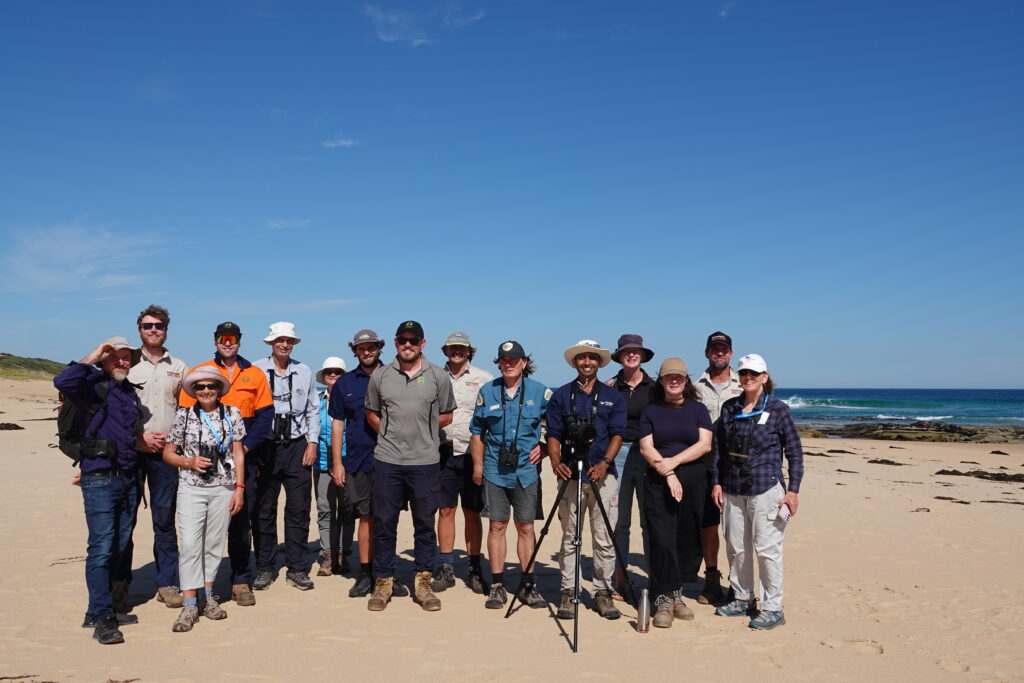
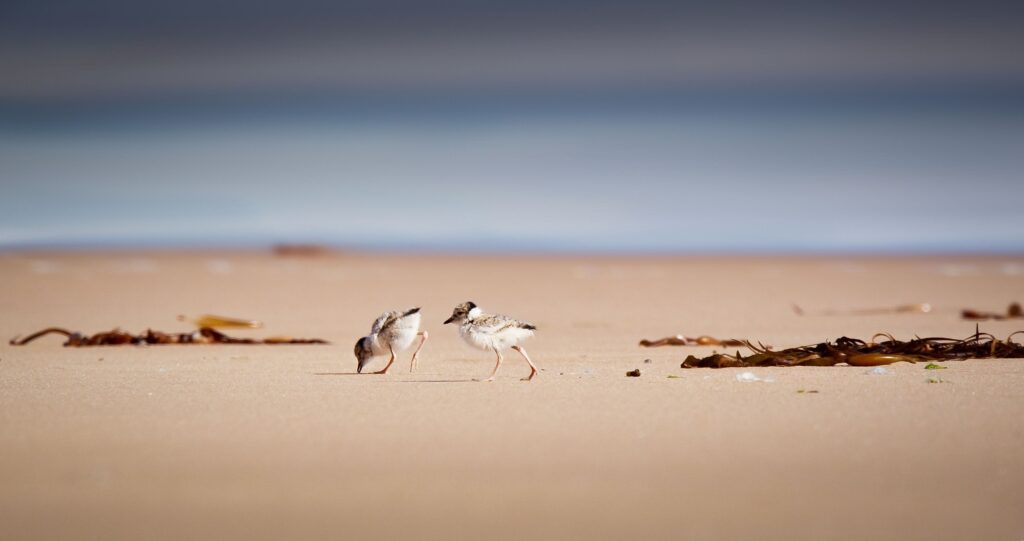
The project brings Traditional Owners, partners and community together in a targeted effort to protect Hooded Plovers (affectionately known as Hoodies) from their greatest threats – disturbance by humans and predation by foxes.
With only 3,000 of the birds remaining in south-eastern Australia and less than 2.5 % of Hooded Plover eggs making it to adult stage this work is urgent to turn the tide for the species. With the coastline between San Remo and Inverloch being home to the second largest population of Hooded Plovers in Victoria, this focussed effort is an essential part of solving the extinction puzzle.
“It’s great news that 16 chicks made it to fledging in the Bass Coast which builds on the 13 from last season. We also had five chicks fledge in South Gippsland which is particularly good as this is up from zero last season,” reported Joel Kilgour, Catchment & Community Project Officer for West Gippsland CMA.
“Across Victoria a total of 67 fledged which highlights the coordinated effort of Birdlife Australia and volunteers who monitored and collated data,” said Joel.
The four-year project focuses on the coastline between San Remo and Sandy Point in South Gippsland with on ground work being delivered by Bunurong Land Council Aboriginal Corporation, BirdLife Australia, Bass Coast Landcare Network, South Gippsland Landcare and Parks Victoria to:
- protect nests during breeding season.
- control foxes and other introduced pests.
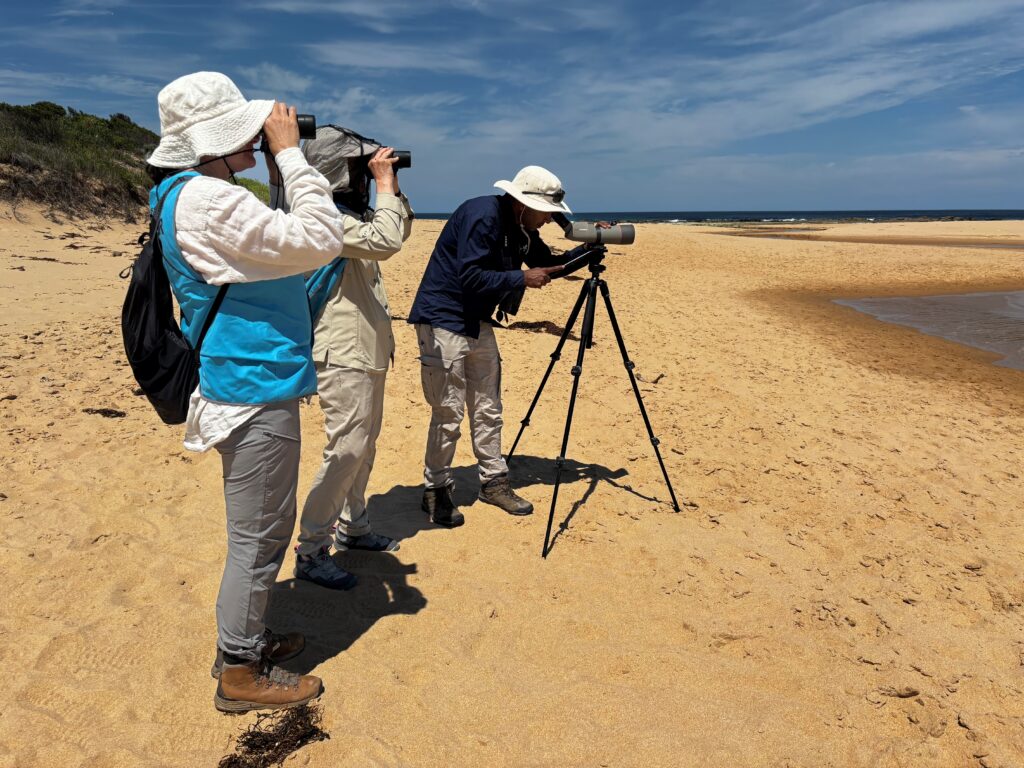
- engage the community about the plight of the plovers – and how they can help their survival.
“These results show the value of the project locally as we make up a large portion of successful fledglings across the state with 21 of the state’s total of 67 coming from the Bass Coast and South Gippsland area. We hope to continue to build the network of volunteers and continue to improve on results each season,” concluded Joel.
How to help:
- We always ask the community to keep their dogs on a lead where signposted to protect your pets and resident wildlife.
- Across the breeding season (Spring/Summer/Autumn) please read and follow any new signage when you enter an area.
- Please keep your distance from roped off areas as the endangered Hooded Plovers are easily disturbed and need all our help to survive. Thank you!
- Become a volunteer with BirdLifeAustralia.
West Gippsland CMA is responsible for over 40,000 kilometres of designated waterways across the region. All of these waterways flow to the Victorian coast, discharging through the Gippsland Lakes, or directly into Bass Strait and the Southern Ocean.