
West Gippsland Regional Waterway Strategy…
West Gippsland Regional Waterway Strategy 2027 – 2036
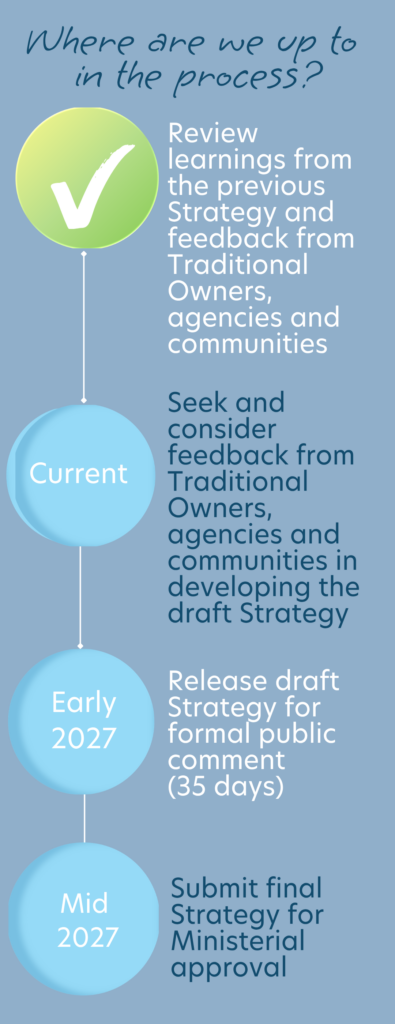
The West Gippsland Regional Waterway Strategy (the Strategy) is a regional strategy that guides collaborative effort towards improved waterway condition over a ten-year period. The new strategy will plan for 2027-2036.
Waterways include wetlands, rivers and estuaries and their floodplains.
The Strategy works towards a 50-year vision and long-term outcomes (20-50 years).
The process presents an opportunity for everyone in the region to improve waterway management, address key issues, clarify priorities and commitments, and clearly outline roles and responsibilities.
While West Gippsland Catchment Management Authority leads the process of developing and actioning the Strategy, it is done in collaboration with Traditional Owners, West Gippsland agencies and communities.
Frequently asked questions
The West Gippsland Regional Waterway Strategy (the Strategy) is a regional strategy that guides collaborative effort towards improved waterway condition over a ten-year period. The new strategy will plan for 2027-2036.
Improving waterway condition for the long term takes us all. While the West Gippsland Catchment Management Authority leads the process of developing the Strategy and putting it into action, this occurs in collaboration with West Gippsland agencies, communities and Traditional Owners. The development of the new Strategy presents an opportunity for everyone in the region to improve waterway management, address key issues, clarify priorities and commitments, and clearly outline roles and responsibilities.
The entirety of the West Gippsland region.
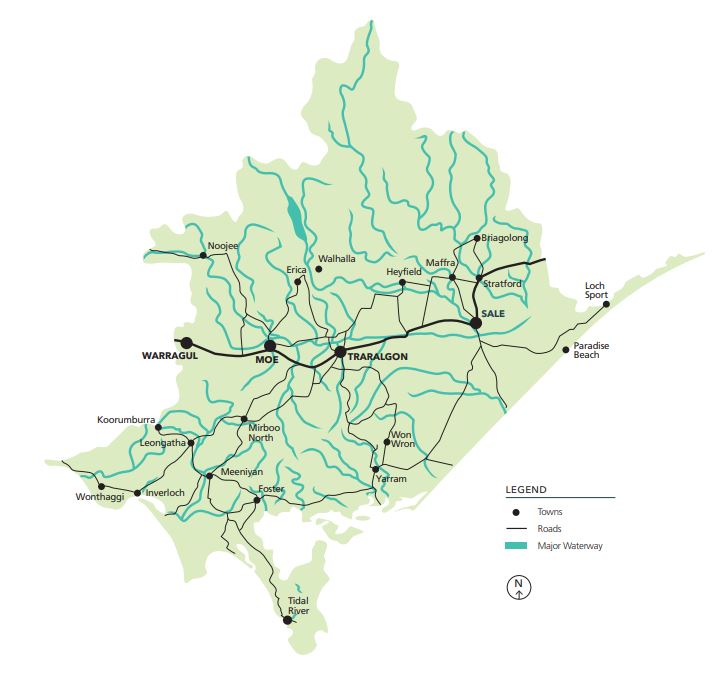
The Regional Waterway Strategy covers waterways across West Gippsland including:
- all rivers and their tributaries
- all floodplains
- estuaries
- and wetlands, including coastal and marine wetlands listed as nationally or internationally important.
Things that improve or sustain the condition of waterways, which underpins the environmental, cultural, social and economic values of waterways.
The Regional Waterway Strategy doesn’t include:
- shallow marine waters, except for those listed as internationally or nationally important wetlands.
- small scale, local waterway issues.
- aquifers or artificial waterways, except where they contribute to an outcome of the Strategy.
- things that are the responsibility of other plans or strategies e.g. water allocation, groundwater management, flood risk mitigation.
The West Gippsland Regional Catchment Strategy (RCS) is a broad, high-level document that integrates the management of all land, water, and biodiversity in a region. In contrast, the West Gippsland Regional Waterway Strategy focuses on management of waterways across the region.
The West Gippsland Floodplain Management Strategy outlines the region’s approach to mitigating flood risks.