
Tackling key threats in Corner Inlet
In a special corner of South Gippsland in Victoria, Corner Inlet is hard at work playing its part to protect biodiversity and maintain healthy ecosystems with West Gippsland Catchment Management Authority (CMA) giving it a helping hand through the Corner Inlet Connections project.
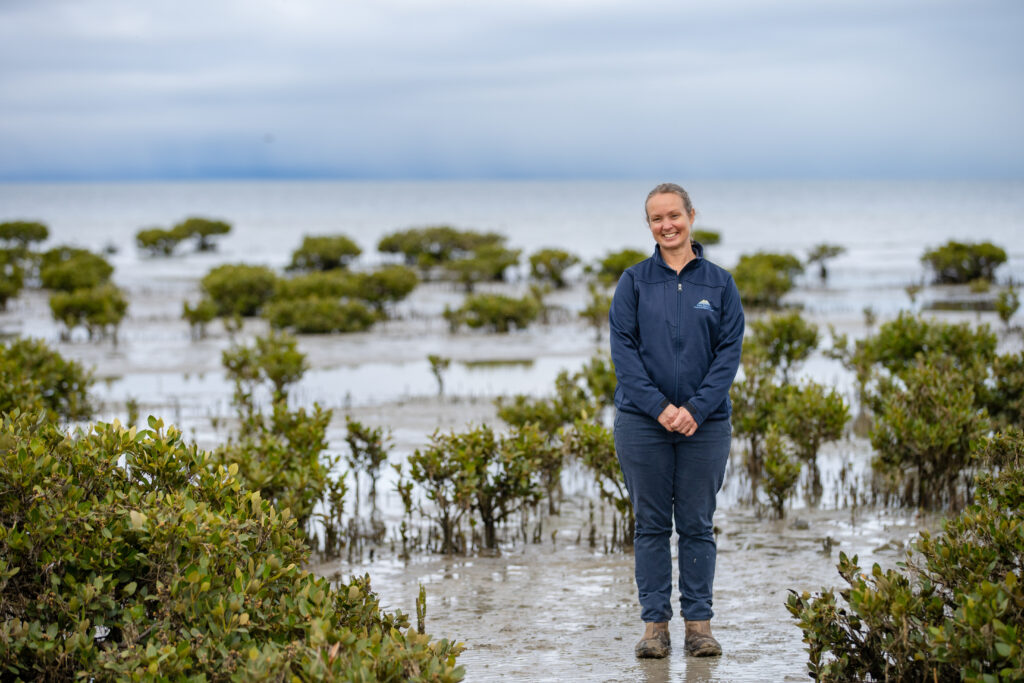
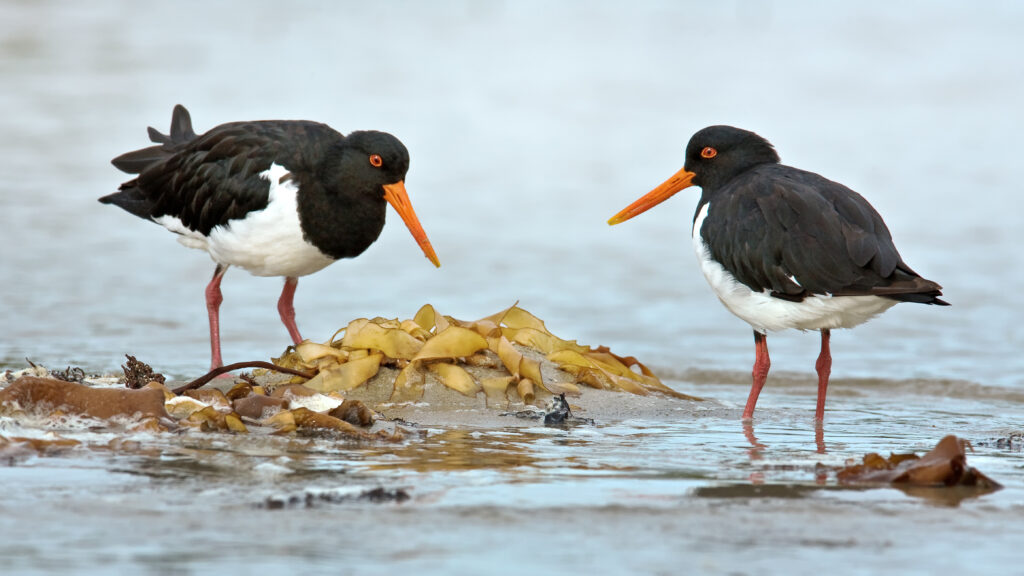
As a Ramsar wetland the Inlet is an internationally recognised haven for migratory and resident shorebirds – some critically endangered. The landscape comprises extensive seagrass meadows, and unique intertidal mudflats and forests of white mangrove (Avicennia marina) – the world’s most southerly distribution of this species – is a biodiversity powerhouse for the planet.
“Tackling the key threats Corner Inlet faces is our key focus to help maintain and build resilience for the area,” said Tanya Cowell, Waterways Project Officer – Corner Inlet with West Gippsland CMA.
In 2025-26, West Gippsland CMA worked with Traditional Owners, partners including BirdLife Australia and Trust for Nature, landholders and community to:
- Treat the entire Corner Inlet Ramsar site for Spartina infestations via ground and aerial and ground based treatments. Monitoring has indicated this program is significantly reducing the extent and spread of Spartina.
- Manage foxes on Dream Island, which pose a threat to the vulnerable beach nesting birds on this and nearby Islands. Across Dream, Snake, Clonmel and Box Bank Islands, BirdLife Australia has monitored nesting outcomes for key beach nesting bird species. Fledgling rates were very low however, this is thought to be impacted by a combination of foxes, human and dog presence, deer, storm surges and raven predation.
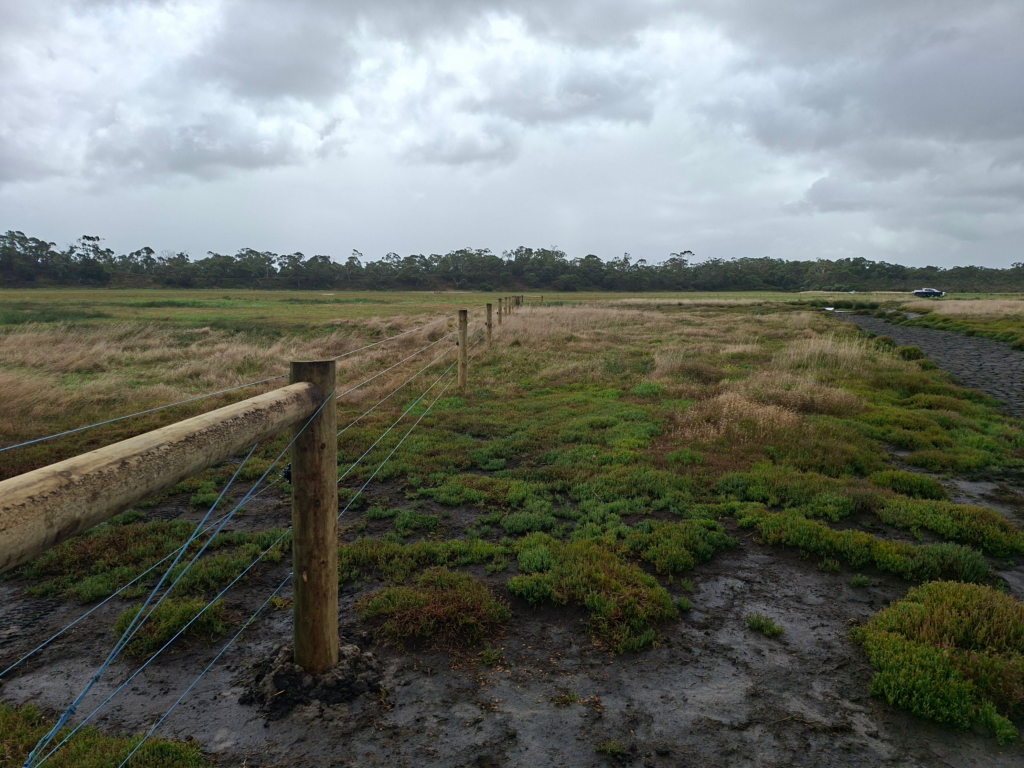
- Protect saltmarsh along the Corner Inlet coastline in partnership with landholders and Trust for Nature. One and a half kilometres of fencing was installed to exclude stock from this delicate habitat and 8.1 hectares of high threat weeds in protected saltmarsh were treated.
“We are proud of this year’s achievements and West Gippsland CMA and delivery partners will be continuing the important work to address threats to the Ramsar site in years to come,” Tanya concluded.
West Gippsland CMA is responsible for over 40,000 kilometres of waterways across the region and delivers programs for healthy and resilient catchments. All these waterways flow to the Victorian coast, discharging through the Gippsland Lakes, or directly into Bass Strait and the Southern Ocean.