
Learn about the science and benefits of Enhancing Farm Dams Field Day
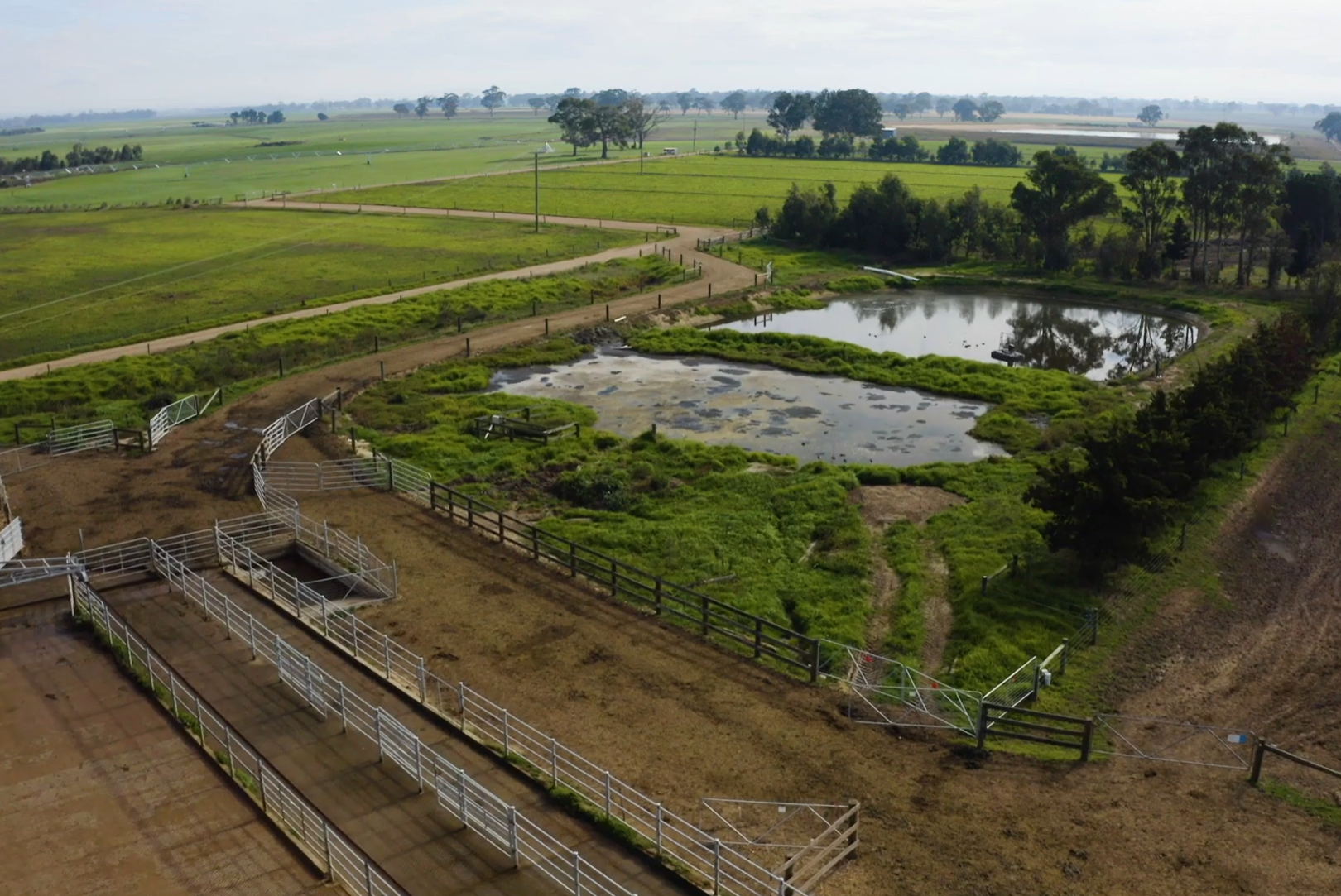
Join us for a field day at Wilandra Farms in Clydebank to learn about the science and benefits of enhancing farm dams.
West Gippsland Catchment Management Authority is excited to bring experts from Australian National University’s Sustainable Farms initiative to our region.
Ecologists Amber Croft and Angelina Siegrist will share their research on the benefits of enhancing farm dams for water quality, water security and biodiversity.
The field day will include:
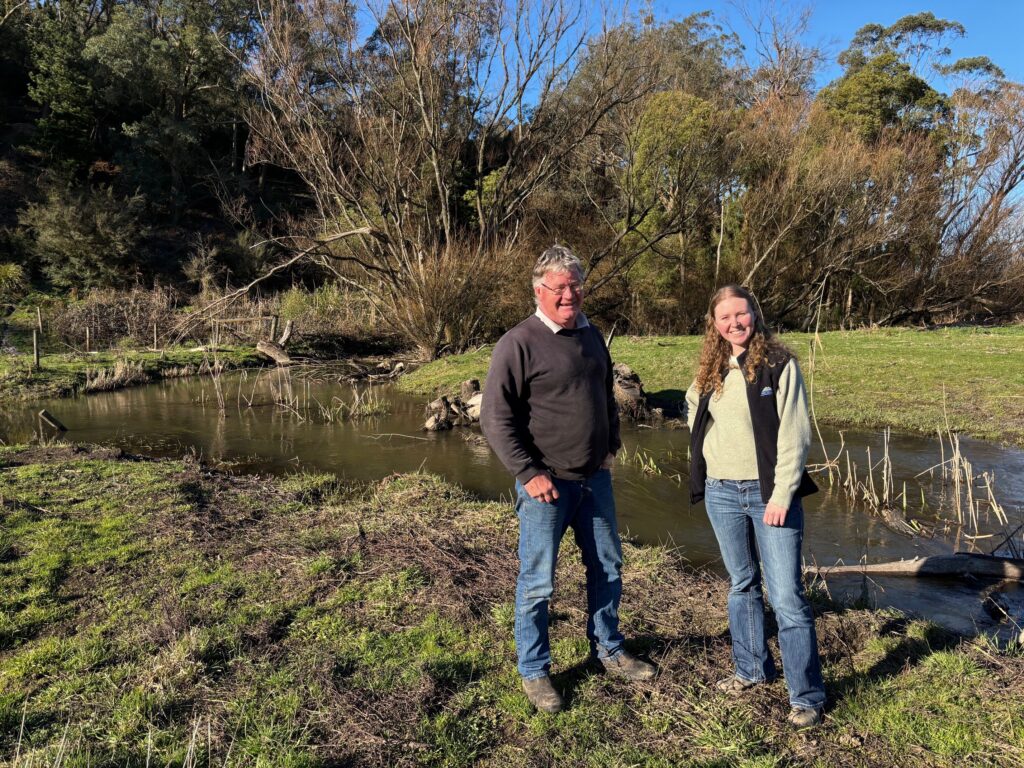
- Visiting a fenced dam on the property of Wilco Droppert and Sandra Jefford to hear about the enhancement work they have done
- The latest scientific research on the benefits of enhancing dams for biodiversity, water quality and water security
- Practical advice on ways to enhance farm dams.
This informative, practical field day is for farmers and landholders interested in making their dams resilient in a changing climate.
This is a free event, but registration is essential.
Date: Wednesday 26 November 2025
Time: 10.00am – 12.30pm
Location: Wilandra Farms, Punt Lane, Clydebank Vic 3851
Cost: Free (lunch provided)
If you have any questions about this event please contact Sam Shannon at sams@wgcma.vic.gov.au or 0409 944 114.
This event is part of our Climate Smart Farming program, supporting Gippsland farmers to adopt sustainable agriculture practices that benefit farming, the environment and the bottom line.
Partners:
Funders:
This event is supported by the Australian Government through funding from the Natural Heritage Trust under the Climate-Smart Agriculture Program.
Keeping the cows out and the wildlife in
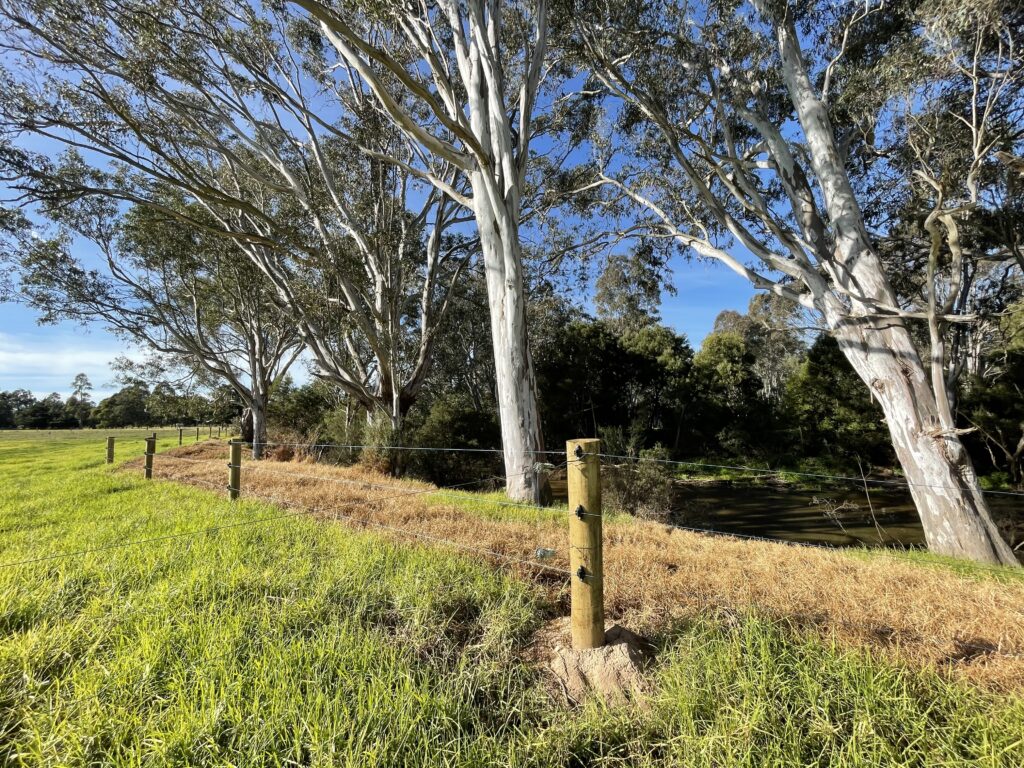
Over 300 hectares of valuable biodiversity areas on agricultural land will be fenced to protect waterways, remnant vegetation, threatened species and livestock thanks to West Gippsland Catchment Management Authority (the CMA)’s farm fencing grants.
“Fences are a practical solution to protecting biodiversity and livestock – but they can be expensive, especially if you’re trying to fence-off a long, meandering creek,” explained Sam Shannon, Sustainable Agriculture Facilitator at the CMA.
“The farm fencing grants help with the cost of fencing materials and labour so farmers can protect waterways and ecologically sensitive areas on their properties while also improving the management of farm operations.”
Delivered under the Climate Smart Farmers program, the grants are a partnership between farmers, the CMA and in many cases, Landcare.
“Many of the landholders will use the funding to continue existing biodiversity protection efforts, such as willow removal, while others have joined forces with local Landcare groups to combine the fencing work with revegetation projects.”
In total, 50 kilometres of fencing will be installed at properties across the catchment.
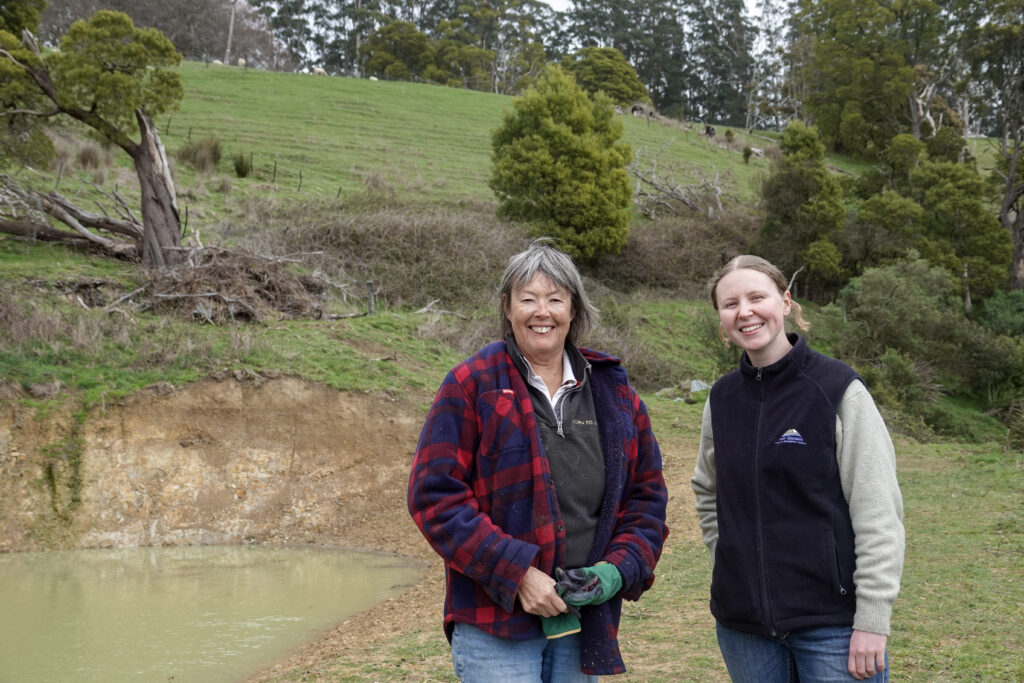
Farmer and ‘forest steward’ Sue Neales is using the grant to protect the high ecological value of her 320 acre beef and sheep farm in West Gippsland. Situation high on the hills of Mt Worth, the unique property is surrounded by towering Mountain Ash and the ancient fern gully rainforests of Mt Worth State Park (Bunurong Country).
Sue, together with her partner Rob Wiencke, plan to transform an exposed area of paddock high on a hilltop into valuable shelter, shade and wind protection for cattle by fencing and revegetating the area with species such as area with species such as Messmate, Mountain grey gum, manna gum and Strzlecki – eucalyptus species that once dominated the landscape before logging in the early 1900s.
The couple would also like to see if it is possible to return Myrtle beech and sassafras trees in their 200 acres of privately-owned cool climate Mountain Ash (eucalyptus Regnans) rainforest; two timber species that have disappeared completely from the Mount Worth ecosystem since logging days and which a large deer population makes it difficult to reestablish.
Where the land descends steeply into thick bush, an eroding gully will be re-fenced and planted out with native plants to prevent further erosion and reduce sediment flowing into Moonlight Creek, a tributary of the Tarwin River.
Finally, the main farm dam will be completely fenced off to reduce erosion and create a haven for wildlife.
“Fencing the dam will keep the livestock and feral deer out so we can plant native trees and shrubs and connect the area to surrounding bush,” said Sue, who is being supported by the Mt Worth and District Landcare Group.
“Hopefully it will become an oasis filled with birds, fish and wildlife.”
In addition to enhancing biodiversity value, the plants surrounding the dam will help to stabilise a steep slope and prevent a landslip into an adjoining property. Reeds, rushes and other native grasses will also act as a filtering system, ensuring high quality drinking water that is essential for livestock health.
“We couldn’t have afforded to do these projects without the farm fencing grant. It’s a big help,” concluded Sue.
Across the other side of the West Gippsland catchment, Andrew and Alison Missen are taking meaningful steps to protect the health of Merrimans Creek by fencing it off to limit livestock access and crossings.
Using the grant, the Missens will fence 1,150 metres of creek frontage to help reduce erosion, improve water quality and conserve the riparian habitat along the waterway which flows through their Hiamdale property and borders the Merrimans Creek Flora Reserve on Gunaikurnai Country.
“These grants demonstrate how partnerships between the CMA, farmers and Landcare are a winning combination for both the environment and agriculture and contribute to the CMA’s vision of a healthy and resilient catchment,” said the CMA’s Sam Shannon.
“Once the fences are up, we’ll start to see natural regeneration of the land with plants growing and wildlife returning. In the future, as trees grow, we’ll see more shade and shelter for livestock while the overall environmental value and health of the property improves. Everybody wins.”
The $1.68m Climate Smart Farmers project is supported by the Australian Government through funding from the Natural Heritage Trust under the Climate-Smart Agriculture Program.
West Gippsland CMA is responsible for over 40,000 kilometres of designated waterways across the region and delivers programs for healthy and resilient catchments. All these waterways flow to the Victorian coast, discharging through the Gippsland Lakes, or directly into Bass Strait and the Southern Ocean.
Become a river lover
Find out more about the work we do and sign up to our e-news for updates, you can also sign up for Environmental Water updates.
Effluent management event
Join us to learn how to make to most of dairy effluent with compost industry pioneer Tony Evans.
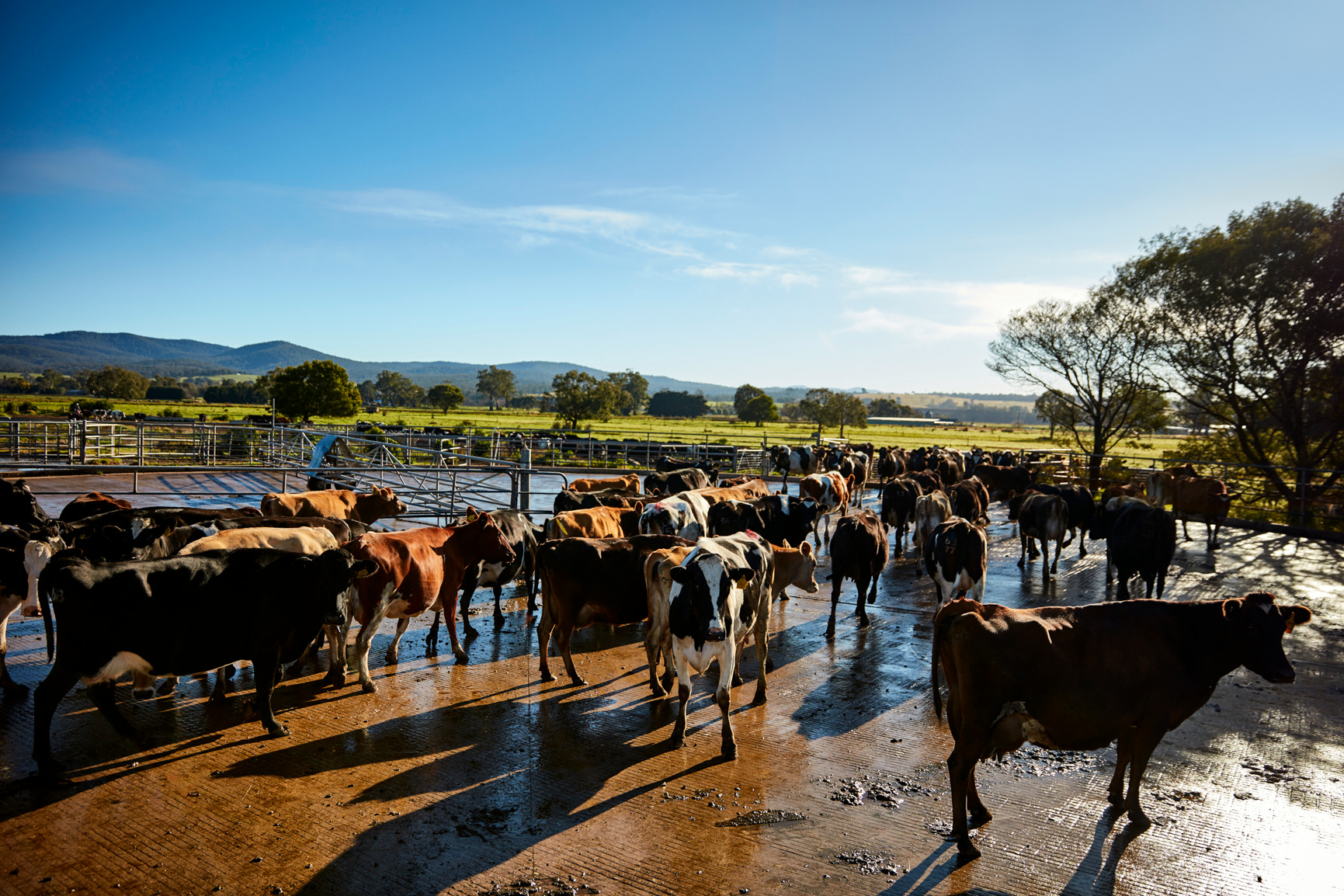
Dairy effluent is a valuable source of nutrients that can save you money. Learn how to make the most of it on your farm at a free workshop for dairy farmers presented by Tony Evans, founding director of Camperdown Compost.
This workshop will explore different effluent management options, including composting, fermentation and biogas.
You’ll learn:
- Pros and cons of different systems
- How to get the best out of the organic resources on a dairy farm
- How much extra nutrient is really required on a dairy farm.
Make your dairy farm more resource savvy, less reliant on imported nutrients and less exposed to commodity price fluctuations.
Date: Wednesday 15 October 2025
Time: 10.00am – 2.00 pm (lunch provided)
Location: Macalister Demonstration Farm, 285 Boggy Creek Road, Riverslea
Cost: Free event – all welcome, but please register.
This event is part of our Climate Smart Farming program, supporting Gippsland farmers to adopt sustainable agriculture practices that benefit farming, the environment and the bottom line.
About the presenter
From dairy farmer (Victorian Farm Apprentice of the year 1985), to compost industry pioneer, Tony Evans has decades of experience turning waste into a valuable nutrient resource.
Event partners
This event is supported by Agriculture Victoria’s Drought Support Package and by the Australian Government through funding from the Natural Heritage Trust under the Climate-Smart Agriculture Program.
From barren to beautiful thanks to a farm fence
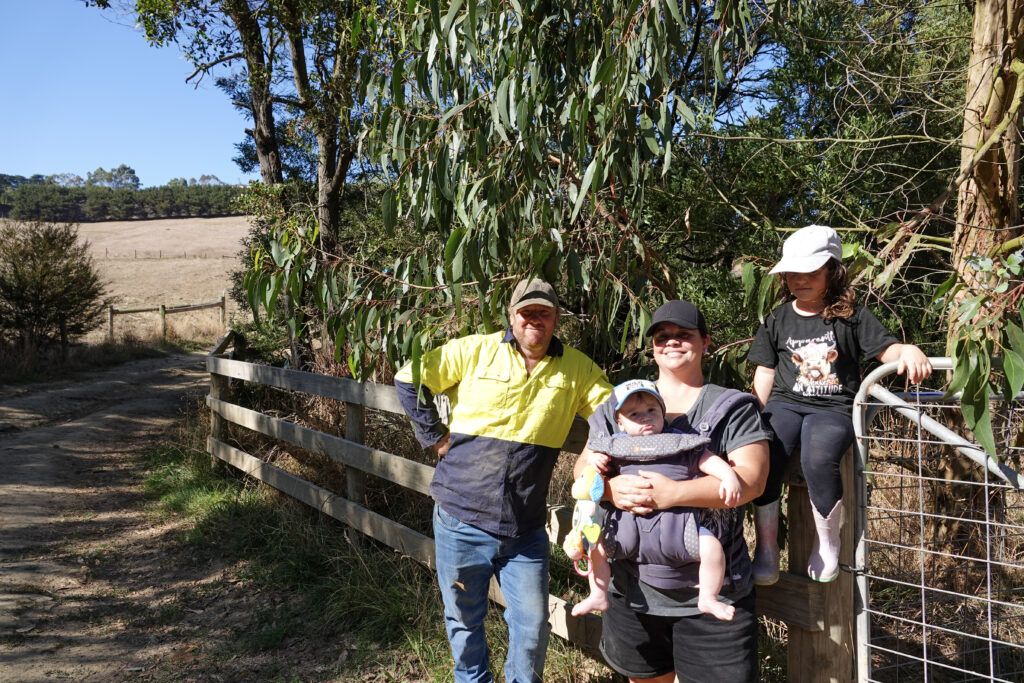
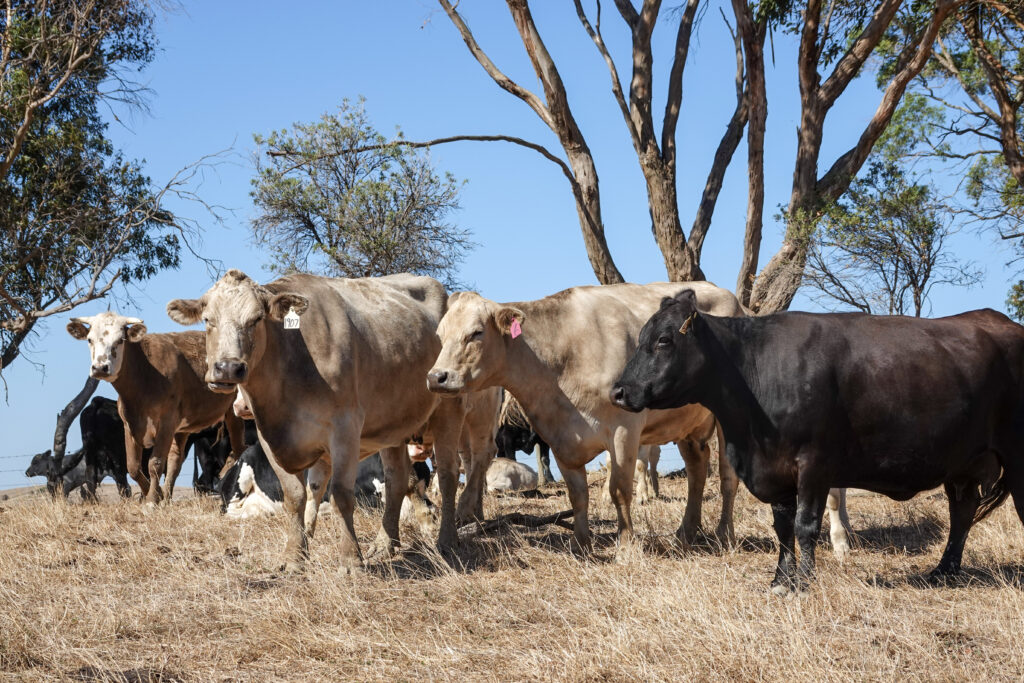
A fencing grant from West Gippsland Catchment Management Authority (the CMA) and partners has helped transform a local beef farm into a tranquil landscape filled with birds and wildlife – all while protecting its prize asset – the cows.
In 2017, Brent and Amy Richardson were staring at an empty landscape on their 116 acre property in Ryanston, where they run Blue Gum Beef.
“It was barren – barely any trees or wildlife,” said Amy.
With no fencing or vegetation along the one and a half kilometre stretch of Archies Creek that runs through their farm, cattle were getting into the creek and causing problems.
“They were trampling on the banks and causing erosion, which was a hazard for calves who’d roll down the steep banks and get stuck,” explained Brent. “I was always having to check the creek for stranded calves and often they’d be rejected by their mother, so we’d then have to hand rear them. It was extra work.”
Thanks to a tip from his stock agent, Brent successfully applied for a farm fencing grant on offer by the CMA and partners at the time. The grant covered the cost of material for three kilometres of fencing, which he installed in sections over the next two years. Bass Coast Landcare Network chipped in to help spray the weeds before rolling up their sleeves to assist in planting a total of 10,000 native trees, shrubs and grasses along the creek bank.
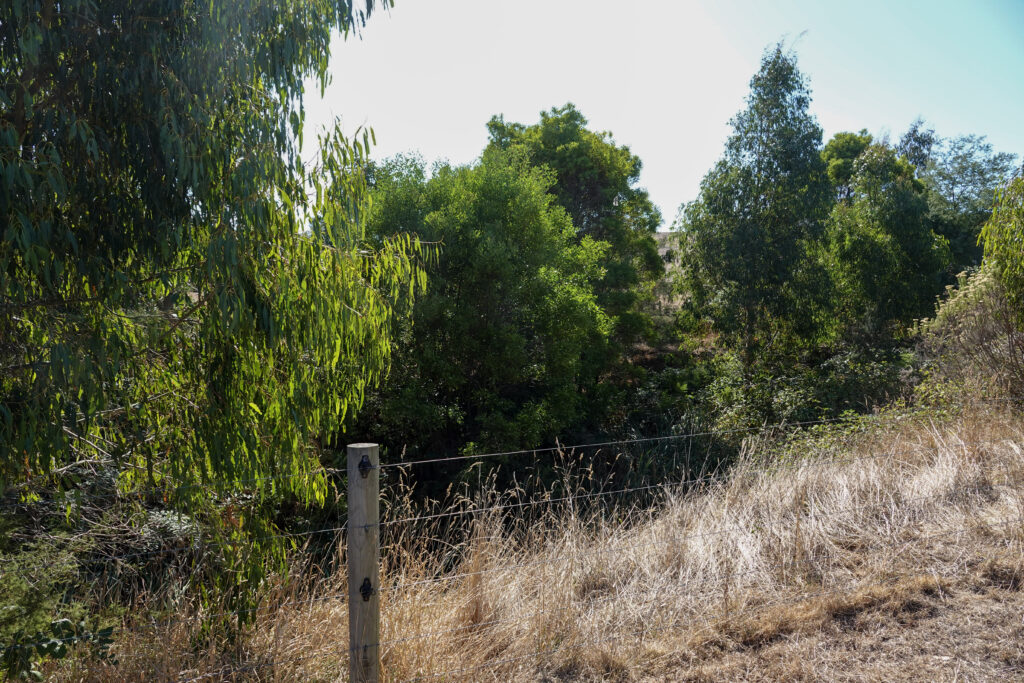
Today, the riparian zone along the creek is unrecognisable, with tall trees and a thick, lush understory teeming with birds and wildlife.
“We initially wanted fences along the creek to keep the cattle out, but it’s been so much better than that,” said Brent. “The vegetation has flourished, wildlife has returned and the entire area is more tranquil. It’s lifted the whole property.”
Amy agrees: “So much goodness has come of this work. You can hear the birds now – we never had that before. We’ve seen echidnas, wombats, possums – even eagles. The whole process was great, and I highly recommend it to anyone wanting to re-establish ecosystems on their property.”
The CMA is pleased to continue supporting farmers with the costs of fencing to protect biodiversity through our Climate Smart Farmers project. More information about this initiative will be available soon.
Muck and money – making the most of manure
Farmers are set to make the most of manure thanks to new funding for local dairy farmers.
West Gippsland Catchment Management Authority (CMA) and GippsDairy are inviting expressions of interest from dairy farmers in the Macalister Irrigation Area (MIA) to join a project aimed at boosting the benefits of effluent on farm and ultimately reducing effluent entering the Gippsland Lakes.
Up to 15 dairy farmers will have the opportunity to work with a qualified agronomist to develop a Nutrient and Effluent Management Plan and introduce innovations to better utilise effluent nutrients to improve production, save money and protect the environment.
“By maximising the use of effluent across the farm, farmers can improve soil health by having to apply less synthetic fertiliser, saving money and emissions,” said Anthony Goode – Sustainable Agriculture Program Coordinator for West Gippsland CMA.
“We know dairy effluent is a highly valuable source of nutrients, particularly nitrogen and phosphorous. Farmers who effectively keep these nutrients on farm are not only improving their soils and pasture for cattle, they’re also protecting local waterways which ultimately flow into the Gippsland Lakes Ramsar listed wetlands,” explained Anthony.
The project aims to help farmers increase the area of effluent distribution on their farms by providing customised advice and practical support to upgrade infrastructure and improve effluent management practices.
Each Nutrient and Effluent Management Plan developed will clearly identify key recommendations that will improve effluent management decisions. The plans will use soil test data to advise on future nutrient application rates across the farm and how best to achieve this.
Participating farmers will receive funding to support the cost of implementing the recommended actions from the plan, such as upgrades to mains pipelines or effluent ponds.
“We’ve been partnering with farmers for over 25 years to drive sustainable agriculture practices in the region and this project is another great example of working together for the benefit of farming and the overall health of the catchment,” concluded Anthony.
How to apply
Expressions of interest opened at 9am Sunday 1 June and closed at 5pm Monday 16 June 2025.
Grants will be allocated to 15 eligible applicants on a first-come, first-served basis.
If you have any questions, please email dairy@wgcma.vic.gov.au
This project is supported by the Australian Government through funding from the Natural Heritage Trust under the Climate-Smart Agriculture Program.
West Gippsland CMA is responsible for over 40,000 kilometres of designated waterways across the region and delivers programs for healthy and resilient catchments. All these waterways flow to the Victorian coast, discharging through the Gippsland Lakes, or directly into Bass Strait and the Southern Ocean.
Become a river lover
Find out more about the work we do and sign up to our e-news for updates.
Page updated 16 June 2025