
Tiny Seeds, Big Impact – Local volunteers collect 8.4kgs of native seeds for Gippsland’s future
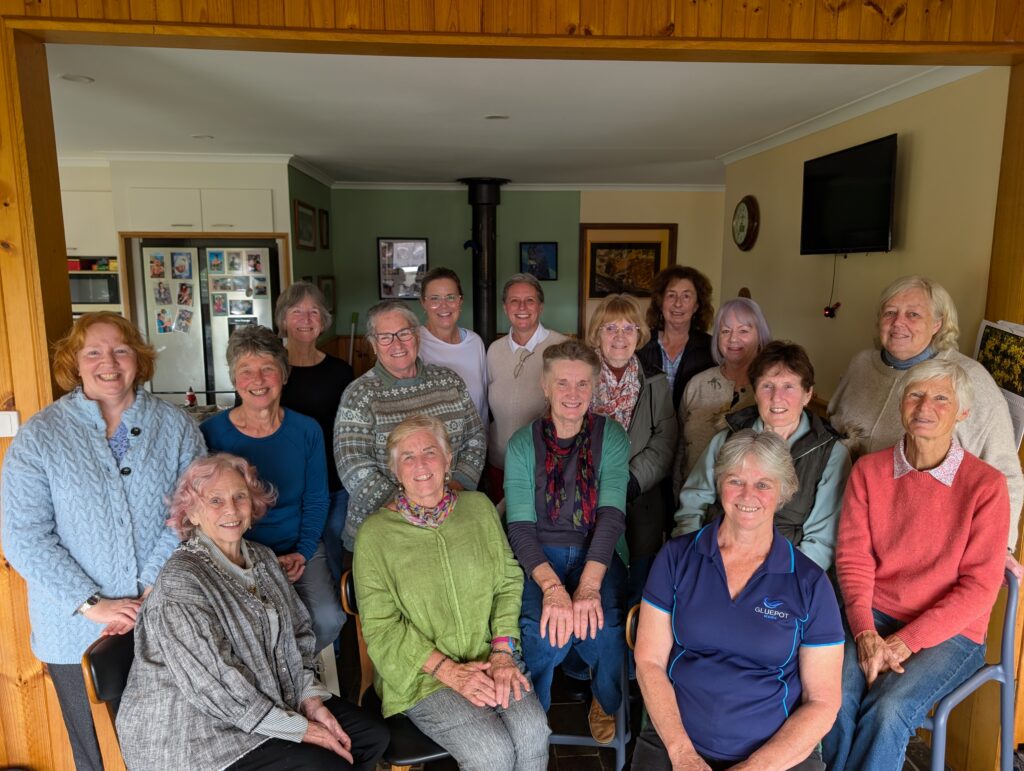
The West Gippsland Seedbank has wrapped up another successful seed collection season, with volunteers collecting approximately 8.4kgs of native seeds for propagation and future revegetation projects across our region…and that’s a lot considering some seed is as fine as dust.
Collected from local indigenous plant species throughout West Gippsland, the seed will be supplied to wholesale nurseries where it will be grown into plants destined for farms, waterways, roadsides and conservation projects throughout the region. Beyond the impressive collection figure lies a dedicated group of volunteers whose knowledge, patience and passion help preserve local biodiversity for future generations.
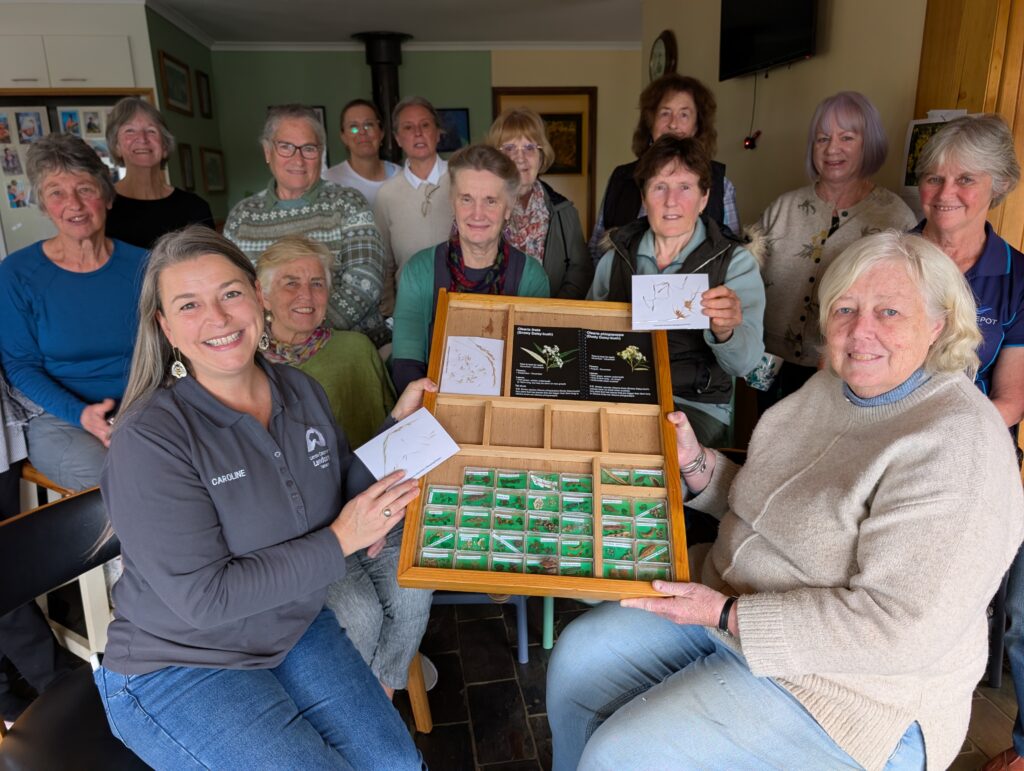
That expertise was recently showcased through a unique educational resource created by long-time volunteer Marion Hill for the Latrobe Catchment Landcare Network‘s, Learning with Landcare project, funded through the Victorian Landcare Grants Program.
Marion used a recycled wooden display box featuring specimen containers with photographs of native plants alongside their seed pods and seeds, allowing people to see the remarkable diversity of indigenous seed up close. The display is already proving invaluable at community events, helping people understand where native plants come from and why locally sourced seed matters.
Using local provenance seed – seed collected from local plant populations – helps maintain genetic diversity and improves the success of revegetation projects because the plants are naturally adapted to local soils, climate and environmental conditions.
The display also highlights that native seed collection is a specialised skill requiring knowledge, training and responsible collection practices.
“People are often surprised to learn that you can’t simply head into the bush and start collecting native seed.” said Lorrain Hobgen President of the West Gippsland Seedbank.
“Depending on where you’re collecting and what species are involved, permissions or permits may be required. That’s why training and working alongside experienced seed collectors is so important,” concludes Lorraine.
The West Gippsland Seedbank’s success is built on the dedication of volunteers who contribute countless hours collecting, cleaning and processing seed, while sharing decades of accumulated knowledge about Gippsland’s indigneous flora. Many members have spent years developing specialist skills in plant identification, ethical seed collection and seed processing, ensuring locally indigenous species can be propagated for future revegetation projects.