
Portrait of a River Photo Competition winners announced
For a second year in a row, Iryna Mac Millan has taken out first prize in West Gippsland Catchment Management Authority’s (CMA) annual photo competition.
A total of 39 entries were received for this year’s competition which had the theme ‘portrait of a river’ where people were asked to submit images that capture the river’s personality in a portrait format.
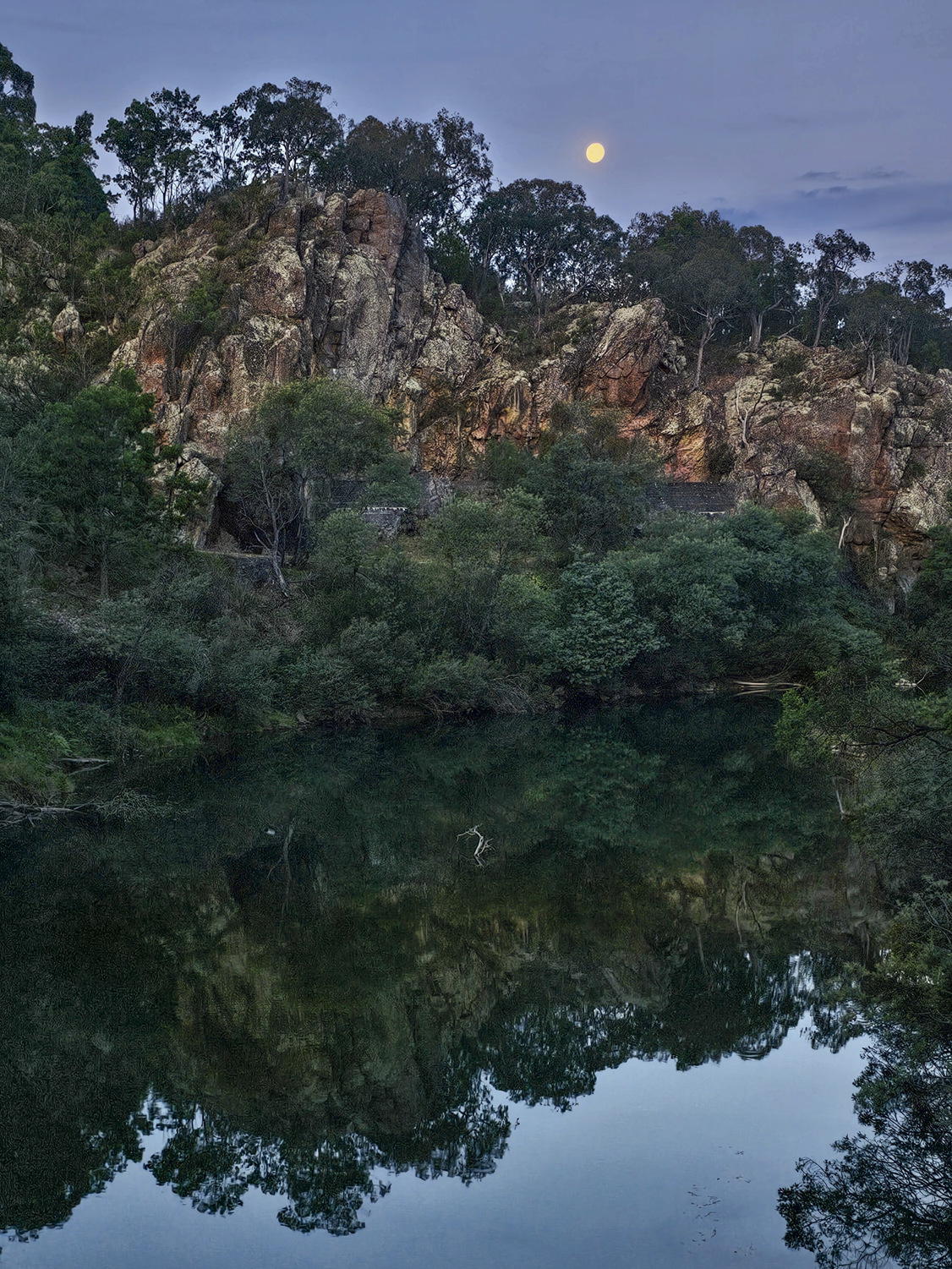
Iryna chose to respond to the theme with a dramatic sunset photo of Wirn wirndook Yeerung (Macalister River) on Gunaikurnai Country.
“This particular spot was in my head for a long time. The first time I saw this spot six years ago, shortly after we moved to Gippsland. I noticed the beautiful rocky cliff while we were driving over the Lanigans Bridge. It reminded me of the canyons in Canada, where we used to live,” said Iryna.
“I thought that this spot would be perfect to come back to one day for a sunset shot to capture the last of the golden rays. But to have both sunset from the west and moon rise from the east at the same time, happens only one day per month… I told my family that on this particular day we were going for a picnic to Macalister River under Lanigans Bridge. We arrived at 4pm and had a lovely picnic near the river exploring the bushy scrubs and marvelled about how beautiful this spot is and how clean the river water was. It’s a very picturesque spot. We waited until sunset at 5:30 pm for the moon to rise high enough over this cliff to capture everything in one shot in portrait mode: the beautiful river, the cliff, and the moon in the background,” Iryna said.
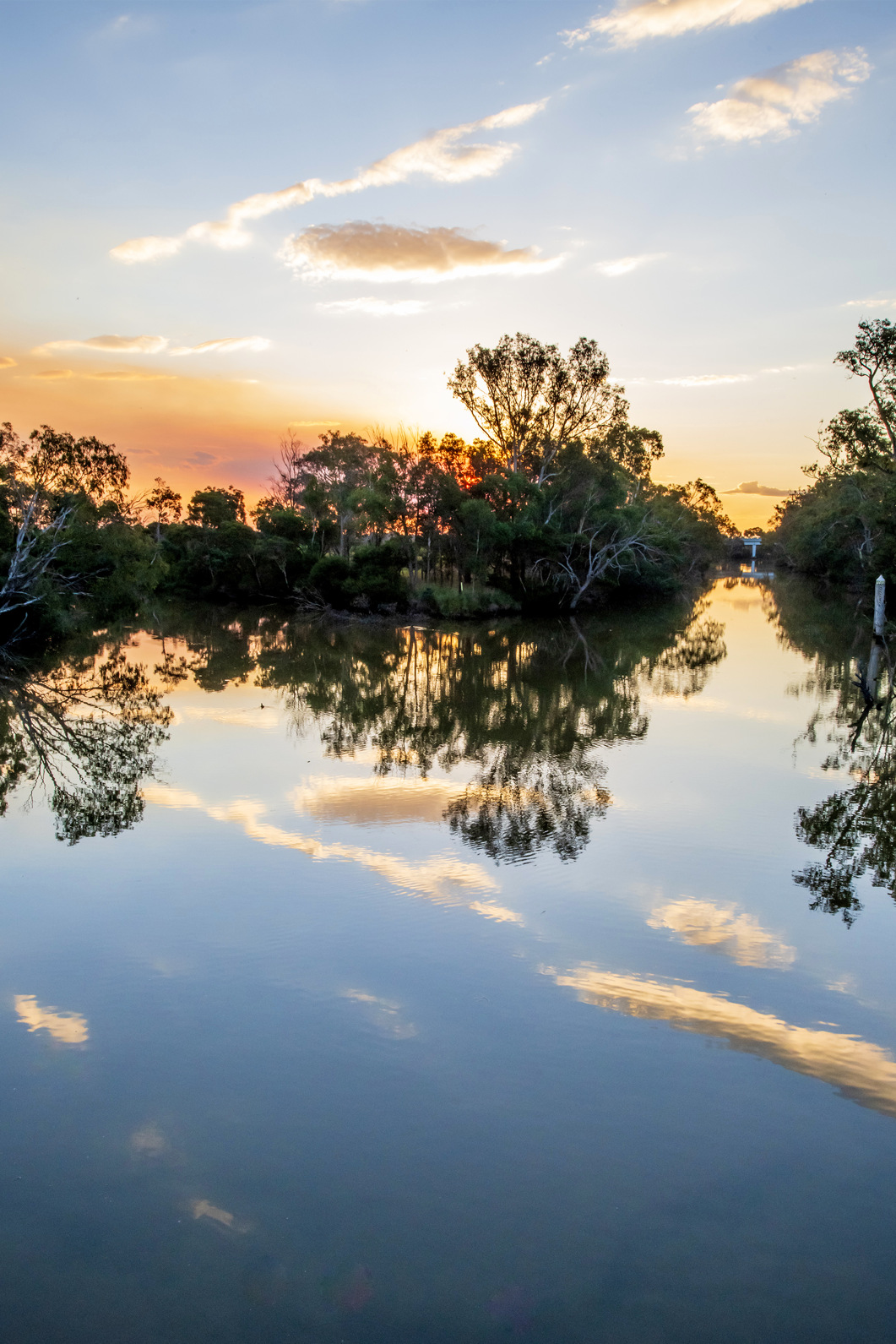
Runner up in the competition was another past winner Paula Walland with her photo titled ‘Latrobe & Thomson Confluence at Sunset’.
“At the confluence of the Durt’Yowan (Latrobe River) and Carran Carran (Thomson River) the water becomes a mirror of the sky when calm, reflecting soft golds and fading blues across the sky. I chose this place for its quiet beauty and the way two journeys meet and continue as one. To me, there’s a stillness here that invites reflection, yet it also symbolises movement and connection,” Paula explained.
“The landscape almost becomes a portrait of the rivers themselves. The mirrored colours, patterns and stillness capture the personality and beauty of the place, reflecting both connection and calmness.”
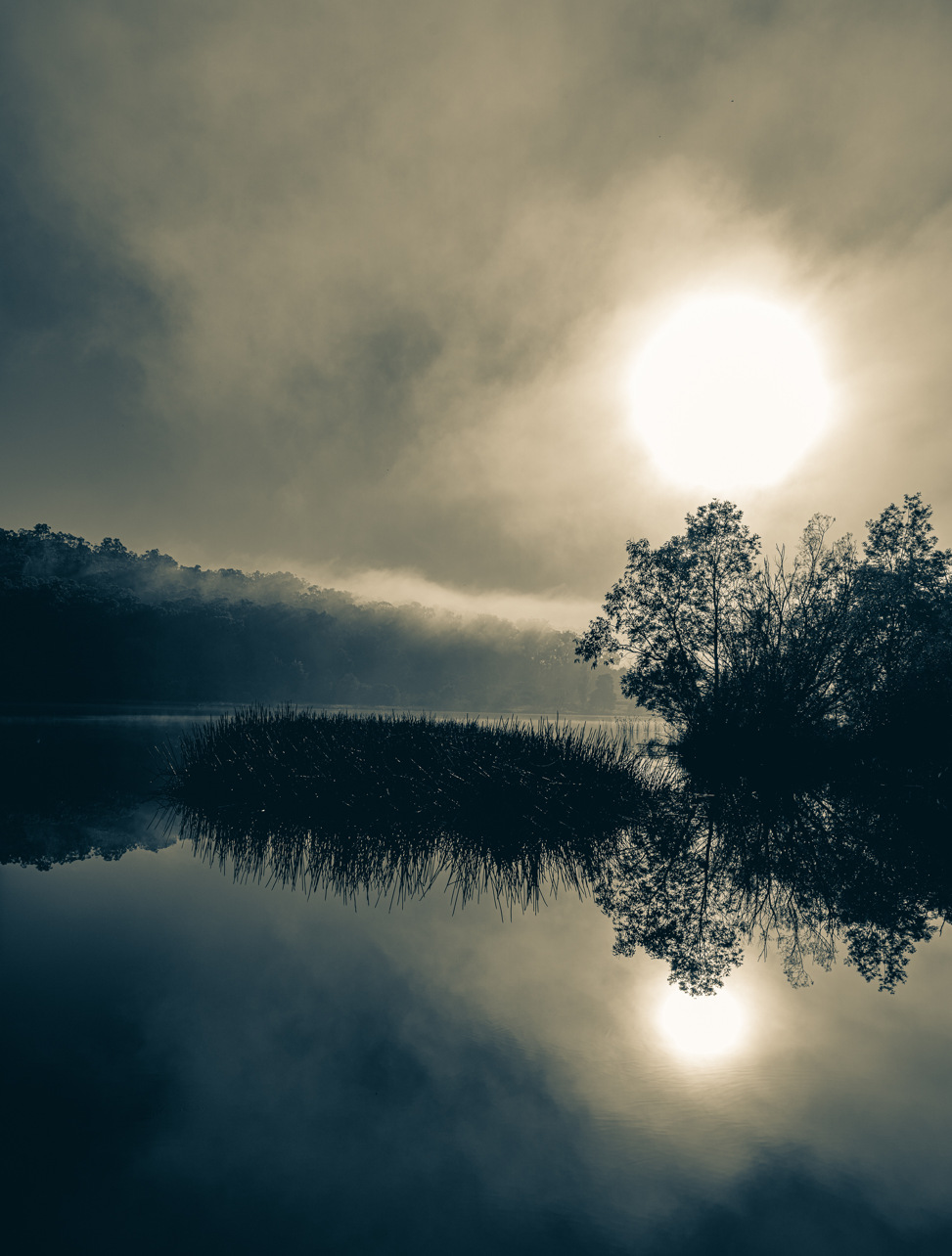
For the first time since the competition began, a People’s Choice prize was awarded to Robert Johnston with a moody portrait of Lake Narracan at the boat ramp. Robert who is a member of Latrobe Valley Camera Club says the image was two years in the making.
“Lake Narracan is great spot for photography. I have taken a photo at that spot before, but it wasn’t foggy and I always meant to do it, and when the competition came up it prompted me to enter… It was a just good fit for the theme with the sun in the right place – it almost looks black and white.”
The winners and entries will form part of the West Gippsland CMA’s water for the environment publications including Watering Proposals submitted to the Victorian Environmental Water Holder. Once approved, the proposal is used to plan the year’s environmental water deliveries to support healthy waterways and ecosystems along the:
- Durt’Yowan (Latrobe River) – including the Lower Latrobe Wetlands such as Dowd Morass, Heart Morass and Sale Common.
- Wirn wirndook Yeerung (Macalister River).
- Carran Carran (Thomson River) – including Heyfield Wetlands.
“We were delighted with how people responded to the challenge of capturing West Gippsland’s rivers and wetlands that receive water for the environment in portrait format,” said the CMA’s Waterways Project Officer and competition coordinator, Tash Marty Cripps.
“It allowed people to capture more of the rivers’ personality and show the relationship we have with West Gippsland’s waterways.”
The annual competition will be held again in 2027 as the CMA celebrates 30 years of caring for catchments.
West Gippsland CMA is responsible for over 40,000 kilometres of designated waterways across the region and delivers programs for healthy and resilient catchments. All these waterways flow to the Victorian coast, discharging through the Gippsland Lakes, or directly into Bass Strait and the Southern Ocean.
Become a river lover
Find out more about the work we do and sign up to our e-water newsletter for updates.