
Latrobe Legacy charts a pathway for the river’s future
The future of the Durt’Yowan/Latrobe River system has taken an important step forward, with West Gippsland Catchment Management Authority (CMA) launching a new long term plan to protect and improve the health of the river for future generations.
The Latrobe Legacy: Investing in River Health for Future Generations identifies opportunities to improve river health, support biodiversity, strengthen water security and protect the values that communities rely on across Gippsland.
Developed by the CMA, the initiative comes at a pivotal time for the region as the Latrobe Valley undergoes a transition away from coal-fired power generation and plans progress for mine rehabilitation. It recognises that decisions made today will shape the future health of waterways, wetlands and floodplains for generations to come.
Water is at the heart of Gippsland’s communities, environment and economy. The Durt’Yowan/Latrobe River system supplies water for towns, agriculture and industry while supporting recreation, cultural values and internationally significant wetlands connected to the Gippsland Lakes. However, increasing water demand, climate change and future mine rehabilitation requirements present significant challenges for the river system.
To address these challenges, the roadmap identifies a range of priority actions including recovering additional water for the environment, improving fish passage, restoring wetlands and floodplains, enhancing water quality, and continuing large-scale river restoration works across the catchment. Together, these actions aim to improve ecosystem resilience and help the river system adapt to future pressures.
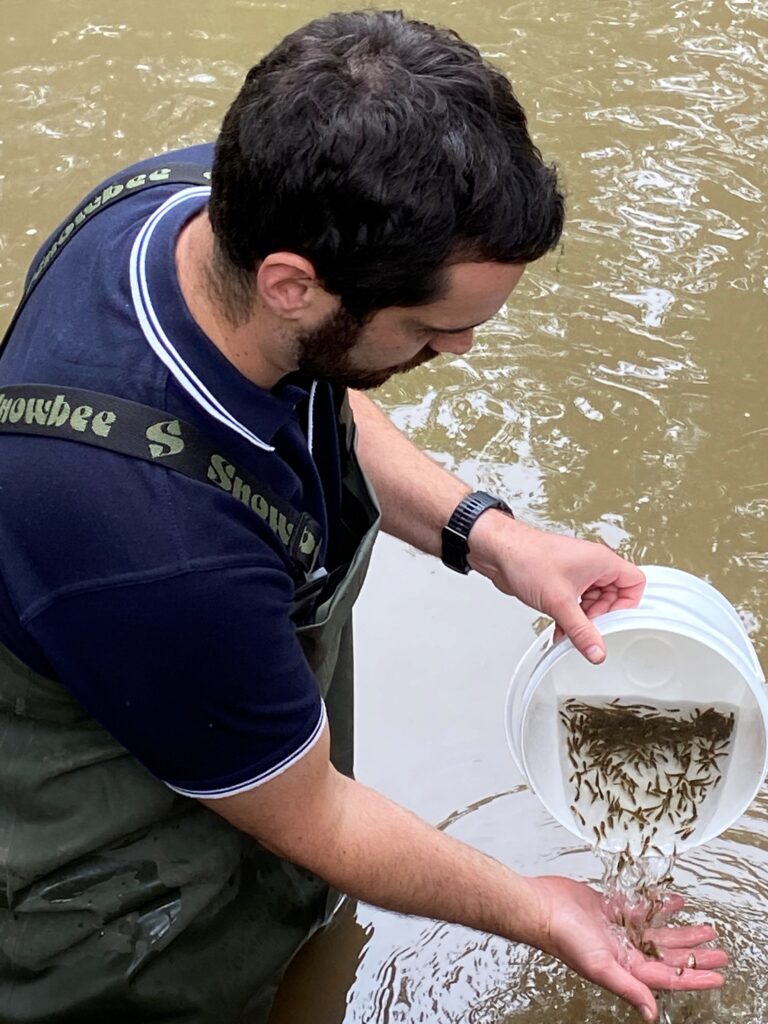
The benefits of this work are already being seen. In 2015, Australian grayling, a nationally vulnerable native fish species, were recorded spawning in the Latrobe River for the first time after years of river restoration and environmental watering helped restore important habitat and flow conditions.
“Ultimately, this is about the legacy we leave for future generations. It is about ensuring that the benefits of the energy transition extend beyond the rehabilitation of mine sites to the restoration and long-term health of the waterways, wetlands and communities that define Gippsland.” said Anthony Goode, Strategic Lead – Latrobe for West Gippsland CMA.
The strategy proposes a phased approach to implementation over the coming decades, building on the strong partnerships already established between Traditional Owners, government agencies, local communities, landholders and environmental organisations.
The completion of The Latrobe Legacy provides a roadmap for future investment and action, helping ensure the Durt’Yowan/Latrobe River system continues to support the communities, landscapes and wildlife that make Gippsland unique.
“We know from our river restoration work that practical action on the ground can make a real difference. Over the next five to ten years, I am keen to build on that experience and turn ambition into lasting improvements in river health. For me, success is about more than the projects we deliver today. It is about leaving future generations healthier rivers and the opportunity to enjoy and care for them. That is a legacy worth working for.” said Martin Fuller, CEO West Gippsland CMA.
More information about The Latrobe Legacy strategy, environmental watering, river restoration projects and future opportunities across the catchment can be found on the Durt’Yowan/Latrobe River project page.