
The Latrobe Legacy
Investing in river health for future generations
Water is the life source of Gippsland’s landscapes, ecosystems, communities and economy. Nowhere is this more evident than in the Latrobe River (Durt’Yowan) system where it provides water for towns, agriculture, industry, supports recreation and tourism, while supporting ecosystem and cultural values that sustain regional wellbeing.
A once in a generation opportunity
As the Latrobe Valley transitions to a renewable energy future, the closure and rehabilitation of three large brown coal mines are not only reshaping the region’s economy but also how water moves through the landscape, how rivers function, and how communities, industries and ecosystems are sustained.
The transition presents significant risks but also a once-in-a-generation opportunity to transform the Latrobe from a working river into a river that works again. An opportunity to address legacy impacts, restore river processes, recover water for the environment and improve the health of the Latrobe River system.
Our Strategy for Latrobe River (Durt’Yowan)
The Latrobe Legacy: Investing in river health for future generations (PDF 5MB) outlines the actions needed to build a resilient river system for future generations. Developed by the West Gippsland CMA and an independent panel of leading experts in river health.
Ultimately, this strategy is about the legacy we leave for future generations. It is about ensuring that the benefits of the energy transition extend beyond the rehabilitation of mine sites to the restoration and long-term health of the waterways, wetlands and communities that define Gippsland.
Quick Links
- The Latrobe Legacy – Summary Paper (PDF 621KB)
- The Latrobe Legacy – Full Report (PDF 5MB)
- Our short film: Durt’Yowan – The Life Source
- Latest News
- Reimagining Durt’Yowan
- Stay in touch – sign up to our Newsletter
The Life Source
Now released publicly Durt’Yowan (Latrobe River): The Life Source short film, is available for you to watch and learn why the Latrobe River (Durt’Yowan) has been the life source for people in Gippsland for thousands of years.
Film synopsis
With some big changes on the horizon for the Latrobe River or Durt’Yowan as the Gunaikurnai people have called it for thousands of years, it is important to know the story behind one of Gippsland’s longest rivers.
A: Durt’Yowan is the Gunaikurnai name for the Latrobe River system, it comprises the Latrobe River, its tributaries and the Lower Latrobe Wetlands, an important part of the Ramsar-listed Gippsland Lakes site.
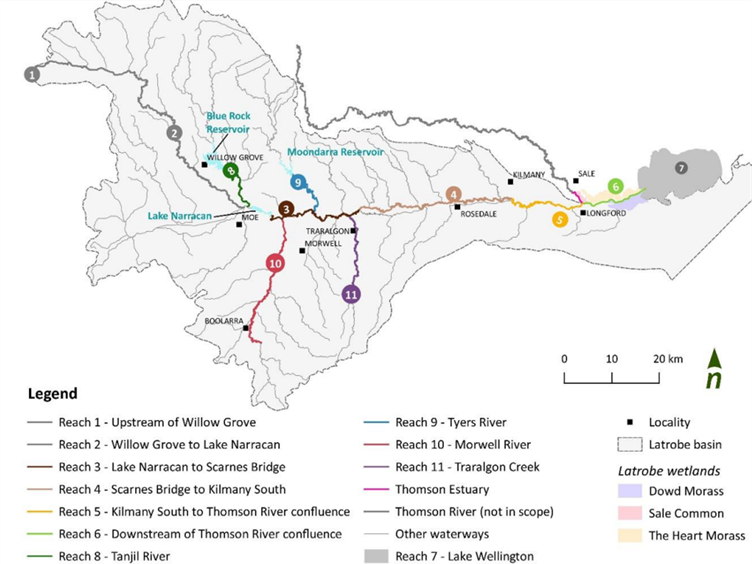
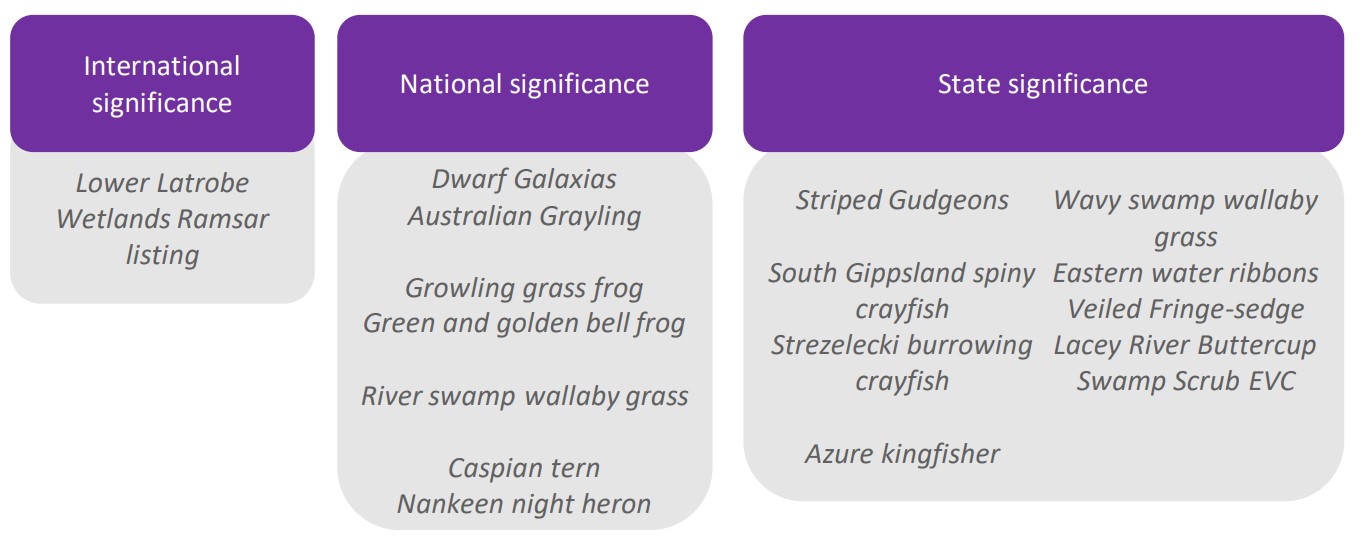
A: The Latrobe River (Durt’Yowan) supports plant and animal species of high conservation significance. The Latrobe River also provides an essential source of freshwater to the Ramsar listed Gippsland Lakes site, of which the Lower Latrobe Wetlands are an important component.
In addition to the environmental values, the Latrobe system supports cultural, social, recreational and economic values. Gunaikurnai people are the traditional owners of Gippsland, and the Latrobe system. Waterways and wetlands in the region contain important ceremonial places and for thousands of years the Latrobe River provided resources such as food and medicines to the Gunaikurnai people.
Fish species such as Australian Bass, Dwarf Galaxias, Australian Grayling and Estuary Perch call the river system their home along with platypus, rakali, frogs and burrowing crayfish.
Australian Bass were released into Traralgon creek a tributary of the Latrobe River, in December 2023 in partnership with Fisheries Victoria, this ‘King of the River’ video tells the story in full.
A: Environmental objectives guide the water requirement for the river system and represent the values that society seeks to improve or maintain with water for the environment.
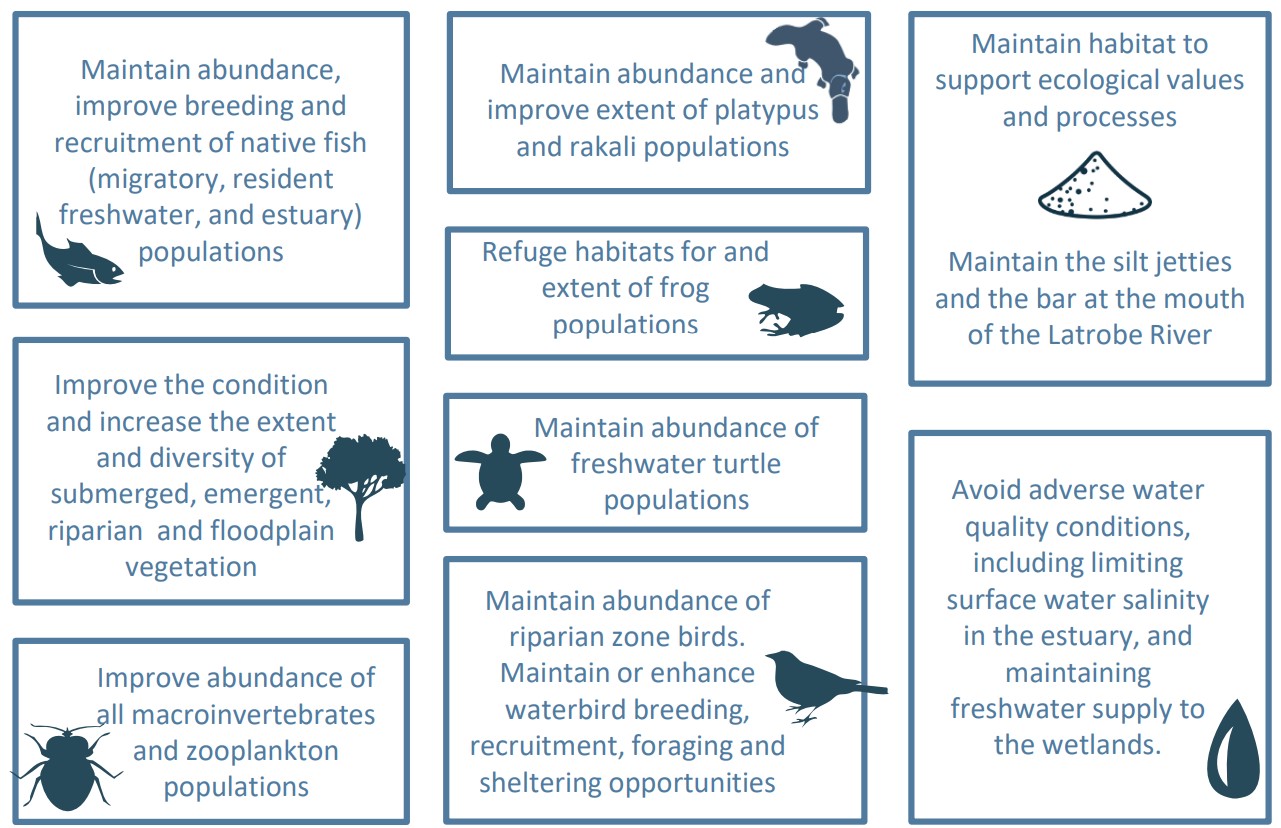
A: The current impacts to the environment and Traditional Owner values of the Latrobe River system (including its estuary and the Ramsar listed lower Latrobe wetlands) are due to historical river course modifications, river straightening, draining of swamps/wetlands, land clearing, removal of riparian vegetation, weeds, invasive animals, constructions of large on-stream storage’s and (critically) the large volume of water removed from the river for power generation, industry, urban supply, agriculture and other purposes.
Changes to the river course have induced significant erosion problems, reduced habitat for native species, created barriers to fish migration and altered flooding patterns. Changes to the flow regime of the river degrade it’s physical and ecological health, and therefore its ability to provide environmental, social economic and cultural benefits to the community. Although some water for the environment has been allocated to the Latrobe River system (in Blue Rock Reservoir), it is not sufficient to meet the communities objectives for the river and downstream environments.
A: Competing demands for water including water for mine rehabilitation, new and emerging industries, urban growth and agricultural expansion will all place pressures on the Latrobe’s precious water resources. This is likely to be overlaid by a trend toward a climate typified by drier conditions interspersed with intense weather events. Reduced freshwater flows in the river is the greatest threat to riverine health.
Additional risks associated with mine rehabilitation, and the potential formation of large pit lakes are being investigated through processes such as the Latrobe Valley Regional Rehabilitation Strategy and the Hazelwood Mine Rehabilitation Environment Effects Study.
A: Repurposing water for mine rehabilitation would impact the ability to meet the water needs of the river system (including the estuary and the lower Latrobe wetlands) and Traditional Owners. It would entrench the significant legacy impacts of coal fired power generation in the Latrobe Valley on the Latrobe River system. This would create an enduring opportunity cost to the Victorian community to heal Country and meet community expectations to improve the health of the Latrobe River system.
There are also impacts to the river’s health associated with the infrastructure built to harvest and supply river water for power generation (i.e. dams and other in-stream structures) including barriers to the movement of fish and sediment down the river.
A: The plants and animals that live in rivers rely on flows that naturally fluctuate over time according to patterns in climate and weather. This includes floods and low flows, and everything in between. Rivers need floods to remain healthy.
Floods are also vital for the health of salty environments, including estuaries and the ocean. The importance of moderate to large floods for Lake Wellington and its fringing wetlands cannot be overstated. Floods are responsible for flushing of salts through the system and providing important ecological cues for plants and animals. Plans to harvest floods to assist with rehabilitation of the Latrobe Valley coal mine voids should be carefully considered in this context.
A: The majority of towns and cities along the Latrobe River were settled at a time when floods were a regular occurrence. This meant that the towns and cities were built on higher ground to avoid most of the impacts of flooding.
Now, any development on or around the floodplain is required to go through a planning permit application process which considers the likelihood of floods impacts to the site as well as the implications of the development of neighbouring and downstream properties. Through this process, specific design elements are put on the development (eg. minimum ground floor level heights for a building) to reduce or remove the impacts of floods.
It is unlikely that ‘trimming’ floods will provide any meaningful mitigation benefit for downstream communities or landholders.
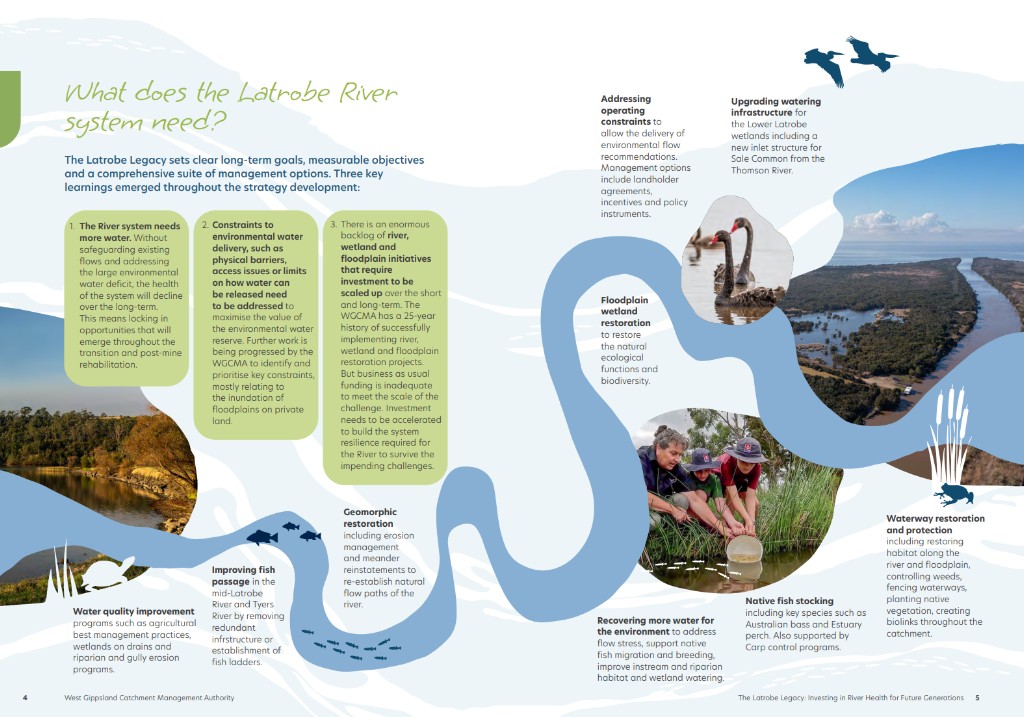
A: The West Gippsland CMA are passionate about river health. The CMA has a 25-year legacy of working with the community to improve the health of our waterways and wetlands. The CMA will be continuing in its efforts to help landholders and the community protect and revegetate riparian habitat, reinstatement natural river flow paths, remove barriers to fish passage, implement weed control and importantly secure more water for the environment.
We also recognise that the transition process in the Latrobe Valley provides a once-in-a-lifetime opportunity to accelerate these river health initiatives and build resilience into the river system to give it the best chance of surviving future challenges. The West Gippsland CMA has developed a strategy to turn this ‘working river’ into a river that works again. The Latrobe Legacy (PDF 5MB) comprises a package of management actions to improve the condition and health of the River system.
A: We encourage all community members to be curious, ask questions and get involved in the important discussions about the future of the Latrobe Valley and the river system.
If you wish to be informed of future opportunities via the CMA please sign up using this form.
To stay up to date with news and events relating to the Latrobe River (Durt’Yowan) submit the form below and we will keep in touch via email.
The following publications are all available for download.
- The Latrobe Legacy – Full Report (PDF 5MB)
- The Latrobe Legacy – Summary Paper (PDF 621KB)
- WGCMA – Water for the Environment resources
- Environmental Water Requirements Report – Latrobe environmental water requirements investigation (PDF 9.5MB)
- Hazelwood Environmental Effects Statement – Hazelwood Rehabilitation Project EES Referral
- Latrobe Valley Regional Rehabilitation Strategy
- Central and Gippsland Region Sustainable Water Strategy 2022
Latest news
New infrastructure restoring wetlands
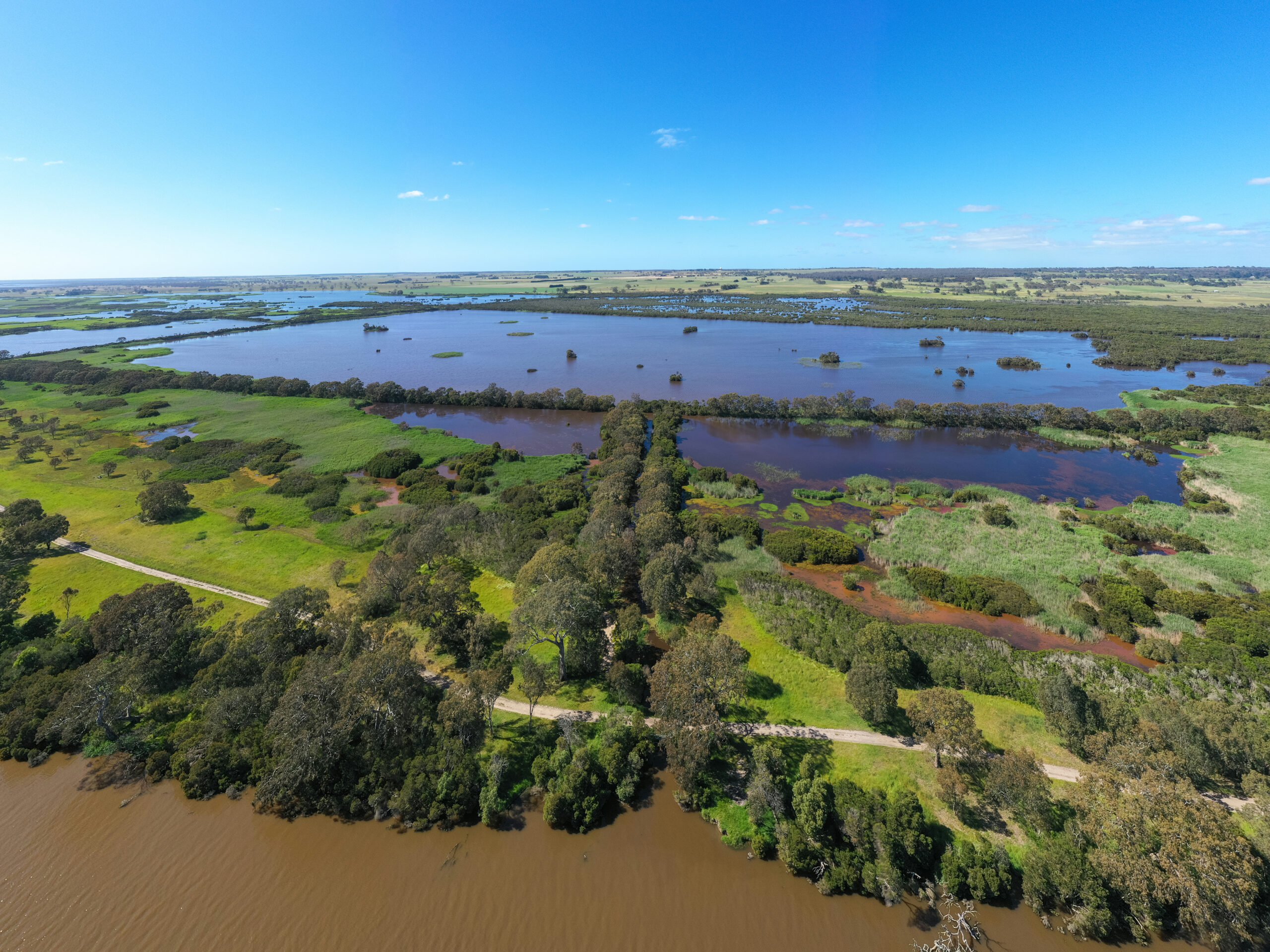
New watering infrastructure at Heart Morass on Gunaikurnai Country is playing its part in protecting the Gippsland Lakes’ precious fringing wetlands.
Gippslandscapes podcast #79

Our latest Gippslandscapes podcast ‘Restoring the beating heart of wetlands’ is now out for your enjoyment.
Shoring up Blue Rock Lake walking track
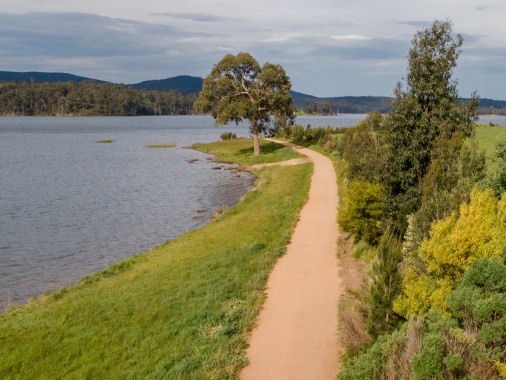
Visitors to Blue Rock Lake will benefit from erosion works that will protect the track ensuring continued access and supporting the lake’s health.