
New infrastructure restoring the beating heart of wetlands
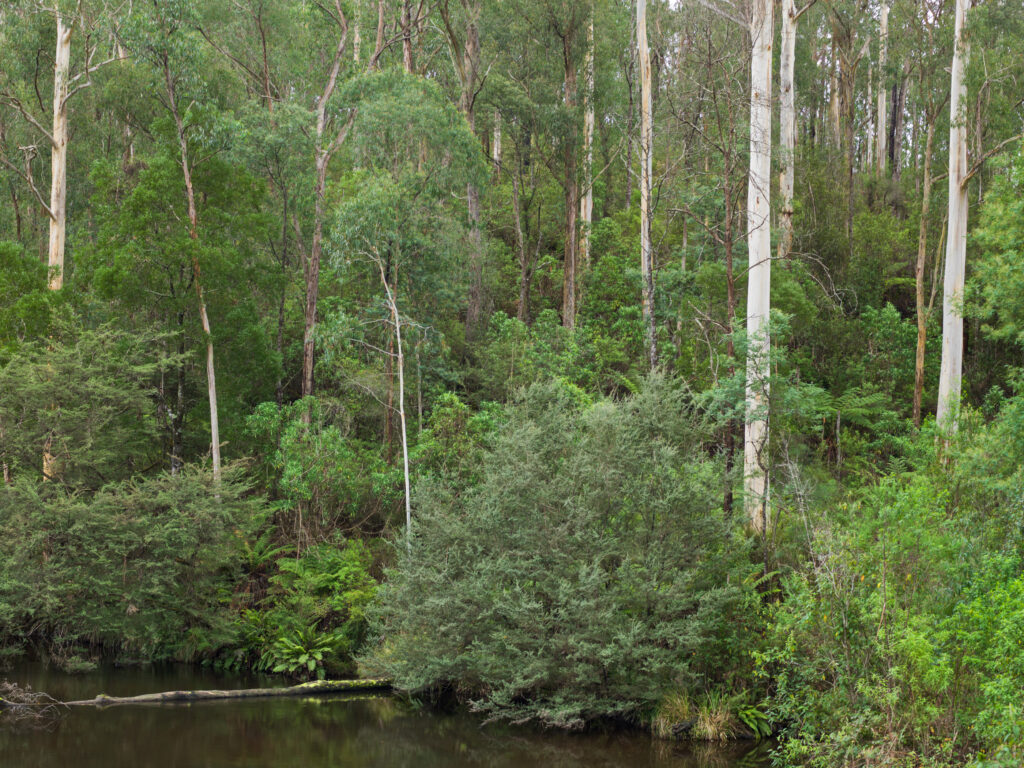
New watering infrastructure at Heart Morass on Gunaikurnai Country is playing its part in protecting the Gippsland Lakes’ precious fringing wetlands.
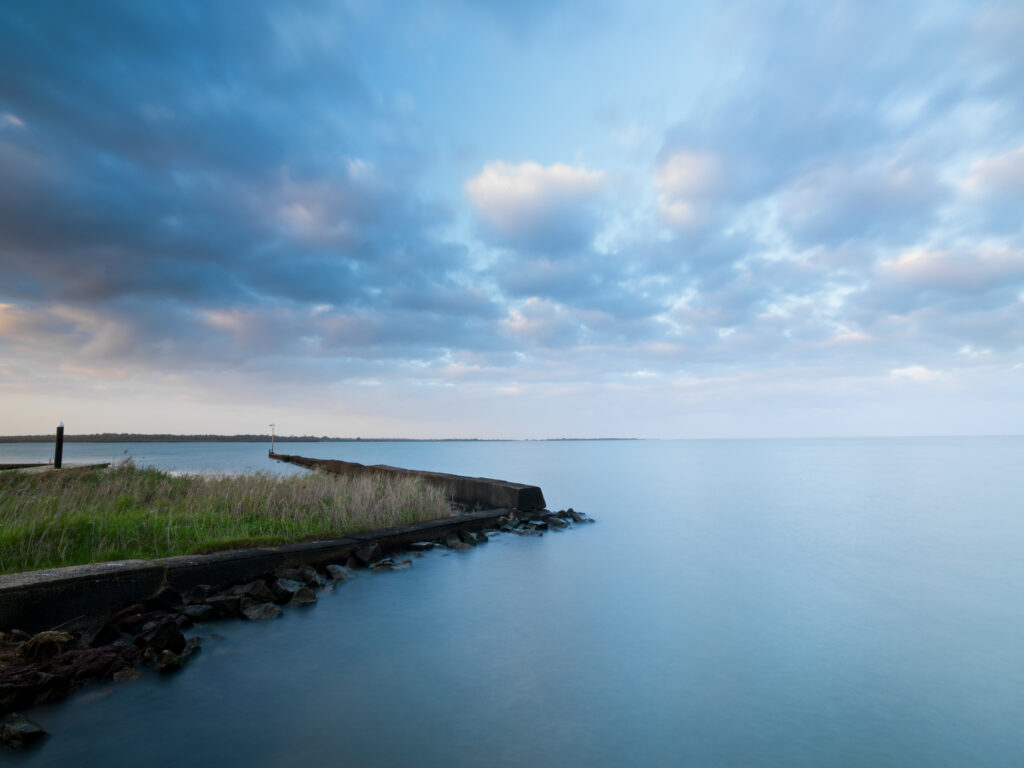
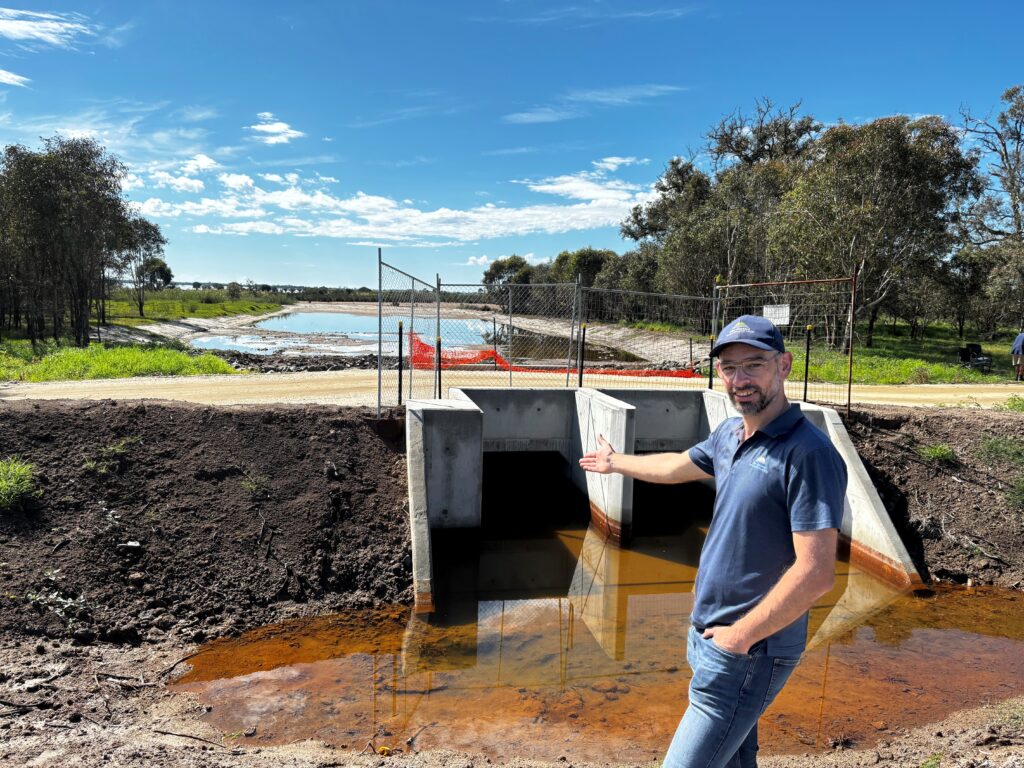
The recently completed structure is a feat of engineering allowing freshwater to flow in and out of the wetland from the adjacent Durt’Yowan (Latrobe River) when needed. This helps keep the wetland’s salinity levels at a healthy level before the water ultimately flows out into the world-renowned Gippsland Lakes.
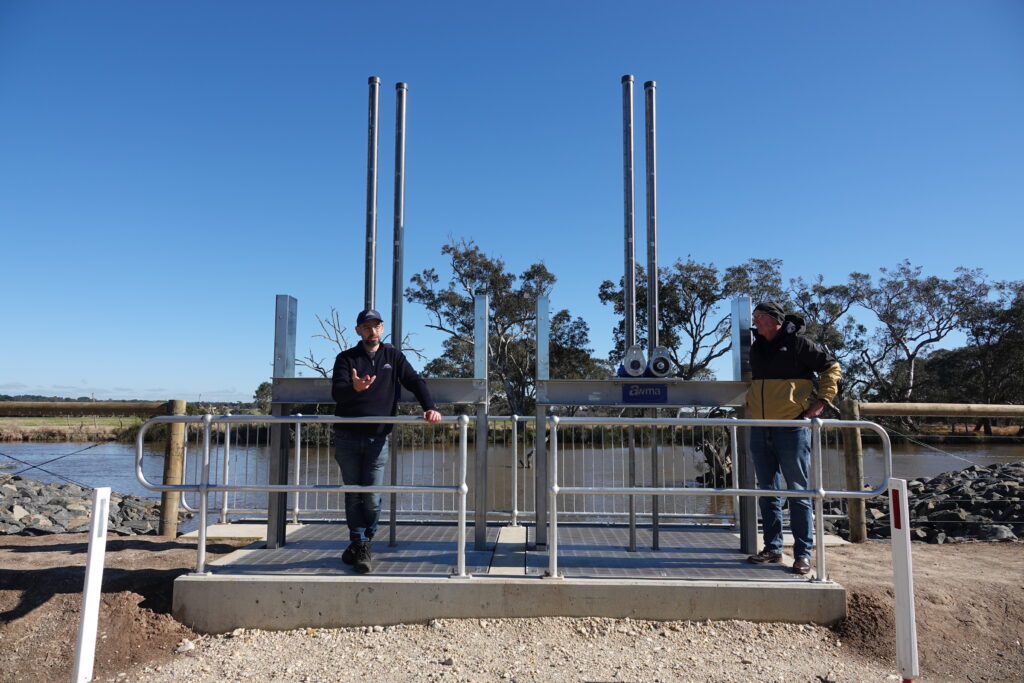
A river offtake channel was constructed to allow water to drain from the river into the wetland. Water control gates installed onto some culverts to control the flow of water entering the wetland. These will play a new role in helping to add freshwater as needed to keep the wetland healthy.
The use of water for the environment from an entitlement for the Lower Latrobe Wetlands will be primarily controlled by the new structure to play a key role in restoring natural wetting and drying phases and improving the health of the overall ecosystem.
The floodgates and inflow drain are the largest of four critical watering infrastructures being built or upgraded as part of this project. It delivers on State government funding to enable effective wetland management of 3,600 hectares of the Gippsland Lakes’ fringing wetlands. One upgrade has been completed so far, at Sale Common and works will also soon begin on new infrastructure and upgrading existing infrastructure at Dowd Morass.
Known collectively as the Lower Latrobe wetlands – each wetland provides an important function for plants and wildlife to feed, breed and have refuge. These works future-proof the wetlands against medium-term climate change making it possible to add and keep a supply of fresh water all year round.
At Heart Morass, the gates are open and the new unit is currently delivering freshwater to the top of the morass. An outlet in the south allows water to drain into the Gippsland Lakes. The additional freshwater inflow reduces salinity and improves the overall quality of the water ultimately flowing back out into the Lakes.
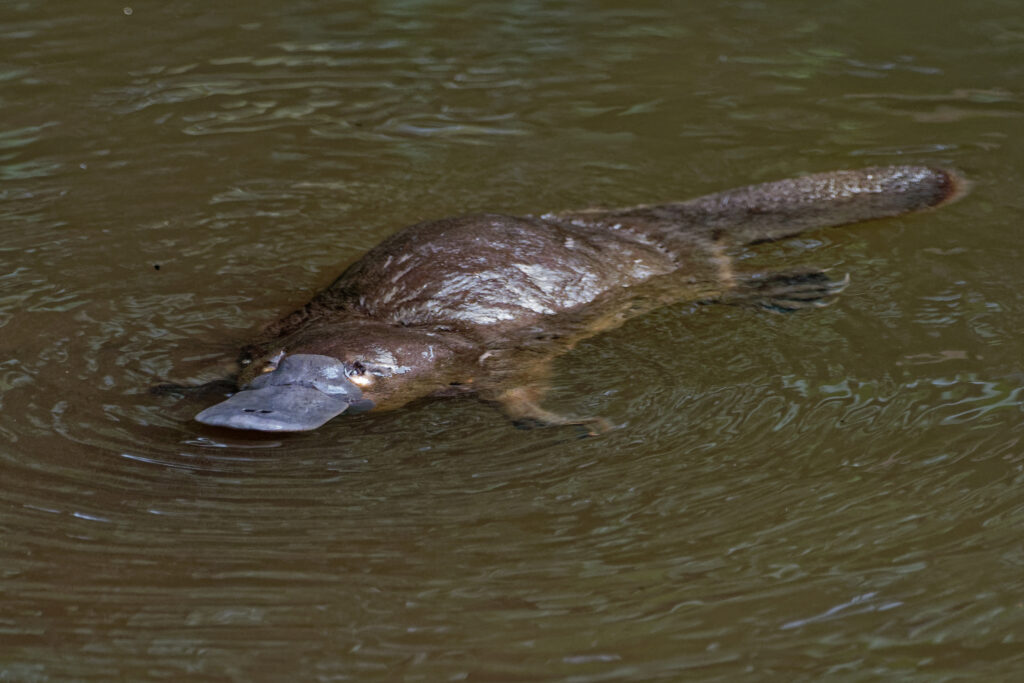
The complex project took many years of planning resulting in a clever and purpose-built design, engineered to sustain the changing conditions – from flood to drought. The inlet even features carp screens (a row of metal slats) that allow smaller native fish to enter but keep the larger non-native carp out.
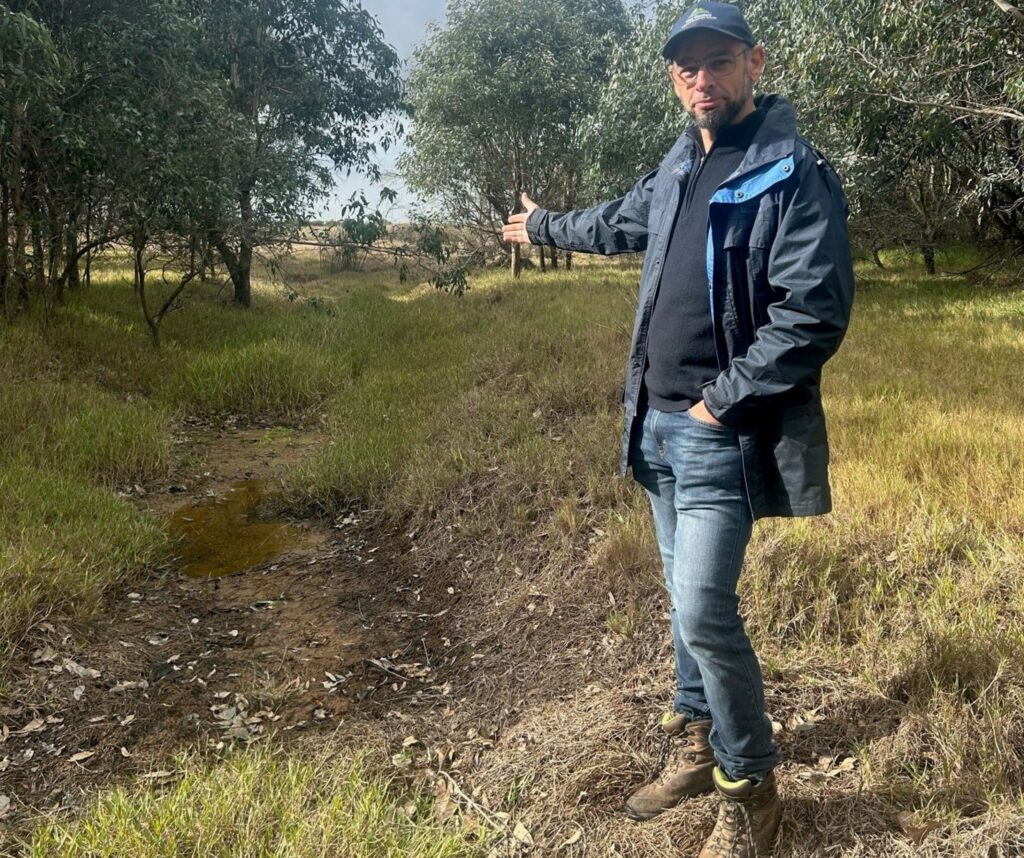
“It’s wonderful that we have achieved some purpose-built infrastructure for these wetlands and to be able to put back into nature some of what has historically been taken away, so these wetlands can thrive,” said David Stork, Waterways Project Officer for West Gippsland CMA.
Heart Morass is owned by Sale Field and Game and is a significant restoration story, led primarily by volunteers, who have transformed what was a moonscape into a vibrant wetland which, along with the allocation of water for the environment, play a key role in making this infrastructure work as effectively as possible.
“We don’t manage individual sites; we manage a river system where everything is connected. We make sure the rivers are in good health and have enough water to continue to function. The new wetland watering inlet is the much-needed link in the chain to provide and secure freshwater inflows into the wetland now and into the future. It provides the ability to ensure this significant and productive wetland is around for generations to come,” David said.
Learn more about this exciting project on episode #79 of our Gippslandscapes podcast.
This initiative is supported by the Victorian Government.
Restoring the beating heart of wetlands
Join us on a trip to the Lower Latrobe Wetlands in Gunaikurnai Country to chat with Dr Adrian Clements and David Stork about some exciting new infrastructure to assist wetlands.
Shoring up Blue Rock Lake’s popular walking track starts this summer
Visitors to Blue Rock Lake will benefit from new erosion control works that will protect the foreshore track – ensuring continued access and supporting the lake’s health.
The Blue Rock Lake Foreshore Stabilisation and Community Path Renewal Project will start in February 2026, when water levels at the lake are typically lower, to rehabilitate around 130 metres of eroded shoreline.
Funding of $43,000 from Regional Development Victoria’s Tiny Towns Fund will see large rocks placed adjacent to the track, creating a ‘beach’ that will protect the foreshore and track from further damage caused by wave action and weather.
Latrobe Catchment Landcare Network Project Officer Caroline Hammond said the track must be temporarily closed to complete the works.
“We will need to close the track for between seven to ten days, depending on the weather and appreciate the community’s patience as we work to complete the job quickly,” she said.
“We will notify the community and install signage and project information on notice boards at the lake and in the local area to keep residents and lake users updated,” she said.
This project is being delivered in partnership by Latrobe Catchment Landcare Network (LCLN), Southern Rural Water, West Gippsland Catchment Management Authority (the CMA), and the Tanjil Valley Landcare Group.
Caroline said this project will help protect the environmental and recreational values of Blue Rock Lake well into the future.
Once erosion control works are complete, Tanjil Valley Landcare Group will host a community planting day to revegetate the site with native riparian, ephemeral, and aquatic species.
The West Gippsland Catchment Management Authority Rivers and Wetlands Officer, Matt Khoury said these plantings will strengthen the foreshore, slow water impact, and create valuable fish habitat.
“This project will protect and improve access to this much-loved community space, while later next year native aquatic plants will be restored to the foreshore as new habitat for fish and wildlife,” said Matt.
Reallocated water to flow across Gippsland
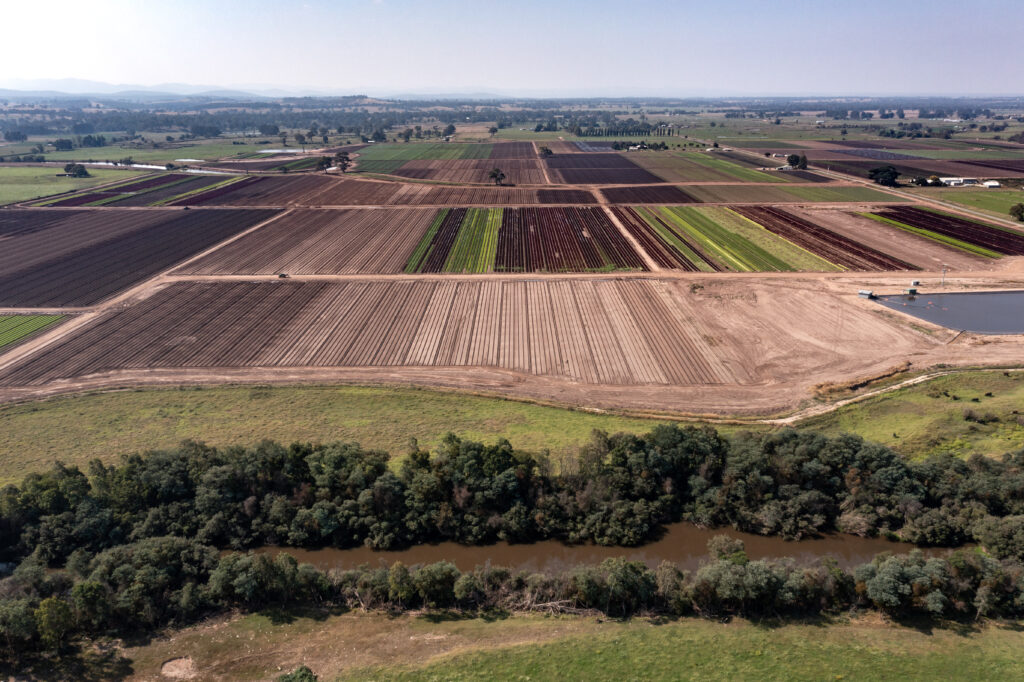
More water is set to flow in West Gippsland’s rivers with Minister for Water Gayle Tierney announcing an allocation of 16 gigalitres of water for the environment, Traditional Owners and farming.
This water (that’s 16 billion litres or 6,400 Olympic-sized pools was previously set aside for power generation, but is currently unused and has now been reallocated to be equally shared between Traditional Owners, the environment and agriculture.
“I’m so pleased to announce this reallocation of water which is a win-win-win for Gippsland. This change ensures more water supply within Gippsland to support the environment, farming, and Traditional Owners,” said Minister for Water Gayle Tierney.
Additional water for environment flows will improve the health of Durt’Yowan (Latrobe River) as well as the Gippsland Lakes system downstream.
“This allocation of water for the environment will play an important role in improving the health of one of Gippsland’s iconic rivers with additional benefits for communities and the Gippsland Lakes,” said West Gippsland CMA Board Chair Mikaela Power.
Gunaikurnai Land and Waters Aboriginal Corporation (GLaWAC) will have access to additional water for self-determined cultural uses.
“Water is more than a resource; it’s a pathway to healing and a stronger future for our people. This allocation recognises the Gunaikurnai People’s enduring connection to Country, and our right to lead how water is respectfully managed and shared,” said GLaWAC Chair, Troy McDonald.
Southern Rural Water will make additional water available to farmers.
Southern Rural Water Managing Director Cameron FitzGerald said the organisation would effectively consult with its customers from June.
“Our focus is to ensure that all farmers will have fair access to this water,” Mr FitzGerald said. “We will be consulting over the coming months to ensure that the water can be provided in a way that meets their aspirations to ensure a thriving agriculture sector.”
“Having more water available for farming benefits everyone, from irrigators looking to improve their water security or expand their operations to farmers looking to set up in the region,” said irrigator Angus Zilm.
This water allocation, known as the Latrobe 3-4 Bench Bulk Water Entitlement, was originally allocated back in 1996 for coal fired power generation.
The decision to reallocate 16 of the total 25 gigalitre water entitlement was made through the Central and Gippsland Region Sustainable Water Strategy. The remaining nine gigalitres will be retained by government to provide continued flexibility to respond to emerging needs in Gippsland.
West Gippsland CMA is working with Traditional Owners, government, community groups and partner organisations to continue the long process of restoring Durt’Yowan (Latrobe River) from a working river to a river that works again. Read more and keep up to date.
West Gippsland CMA is responsible for over 40,000 kilometres of designated waterways across the region and delivers programs for healthy and resilient catchments. All these waterways flow to the Victorian coast, discharging through the Gippsland Lakes, or directly into Bass Strait and the Southern Ocean.
Become a river lover
Find out more about the work we do and sign up to our e-news for updates.