
Calling all photographers to enter our “Portrait of a River” photo competition
This competition is now closed.
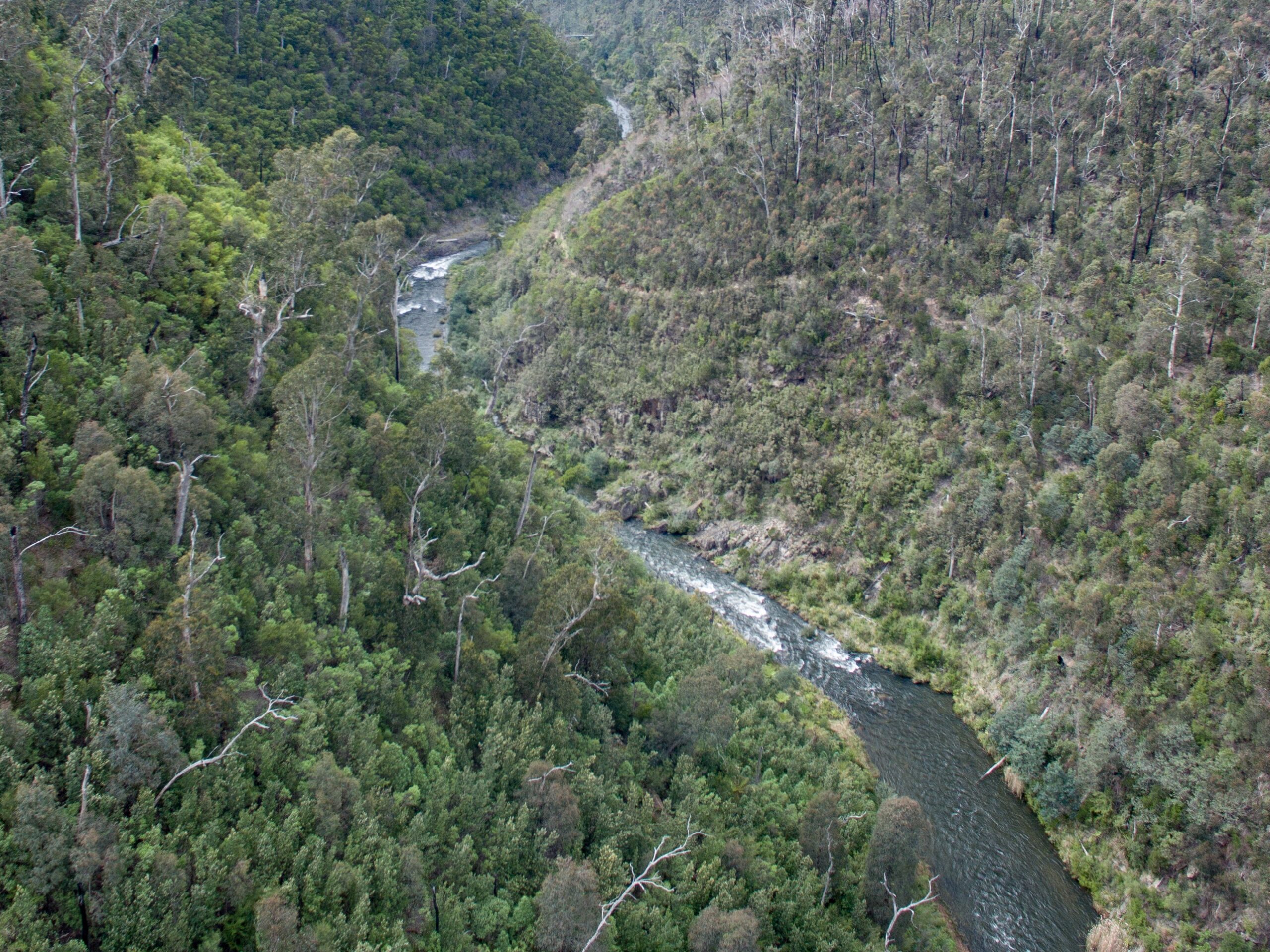
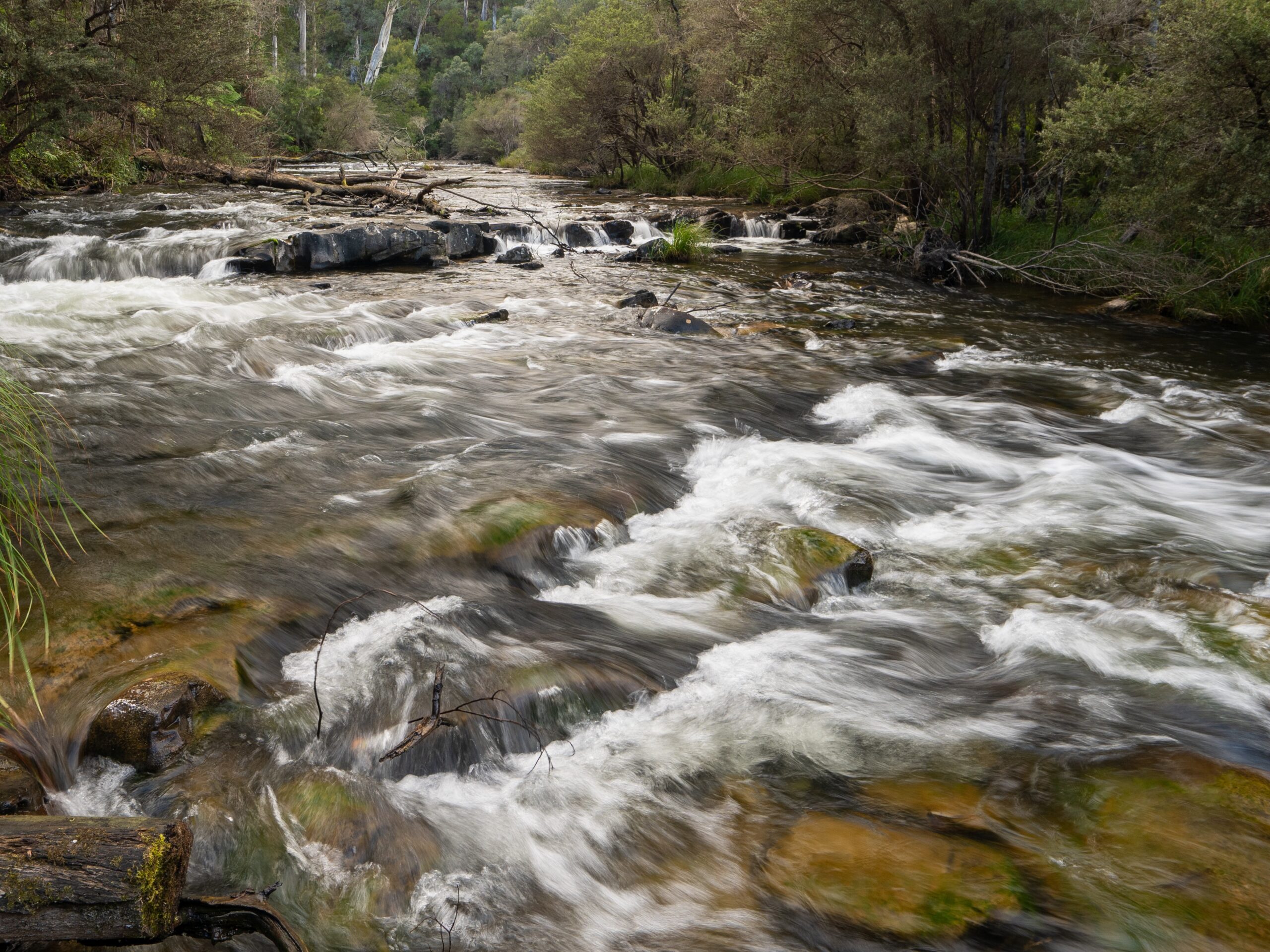
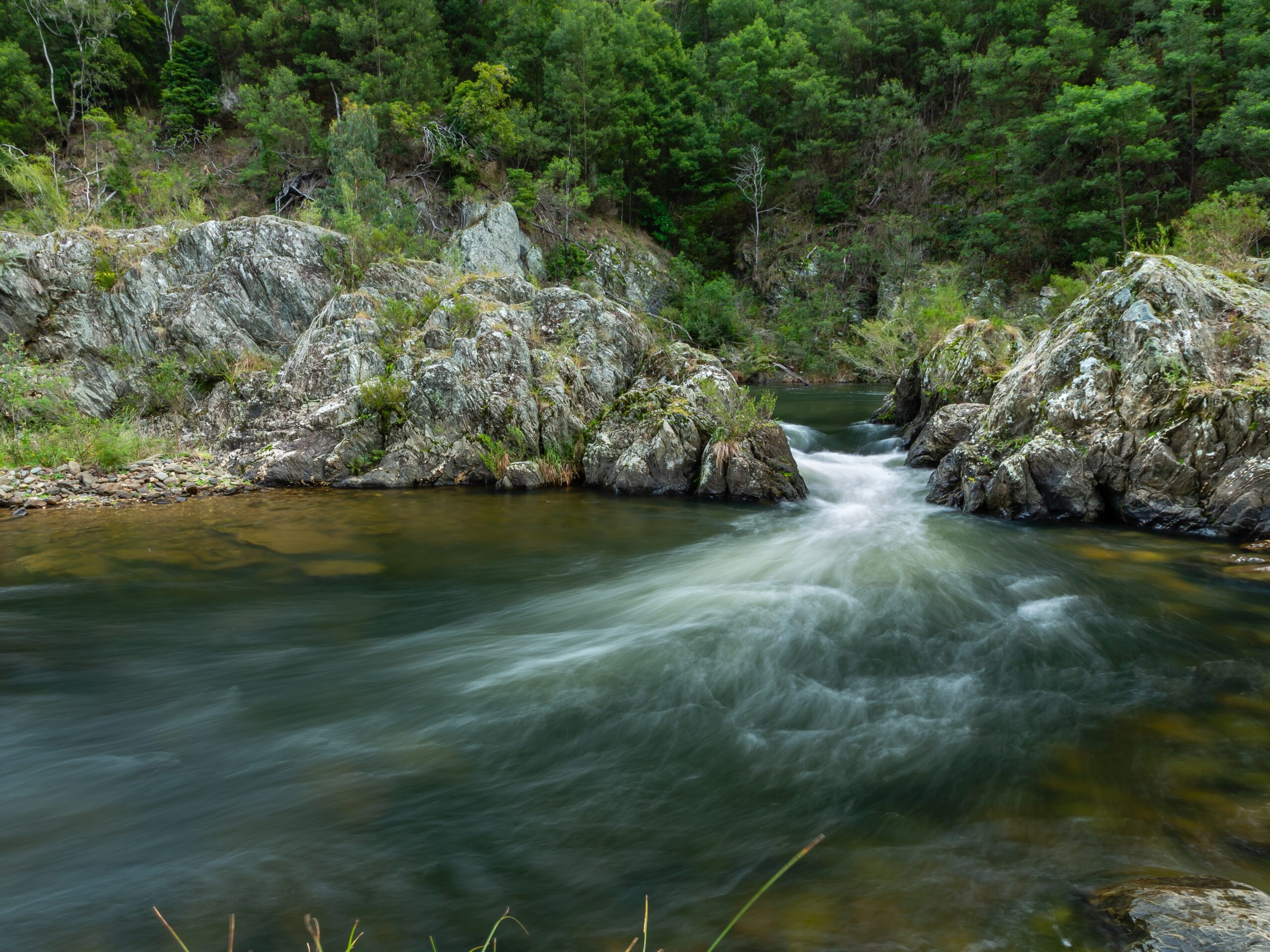
It’s like the Archibald Prize for rivers. West Gippsland Catchment Management Authority (CMA) is launching its annual Water for the Environment photo competition with the theme ‘portrait of a river’ and there are great prizes to be won.
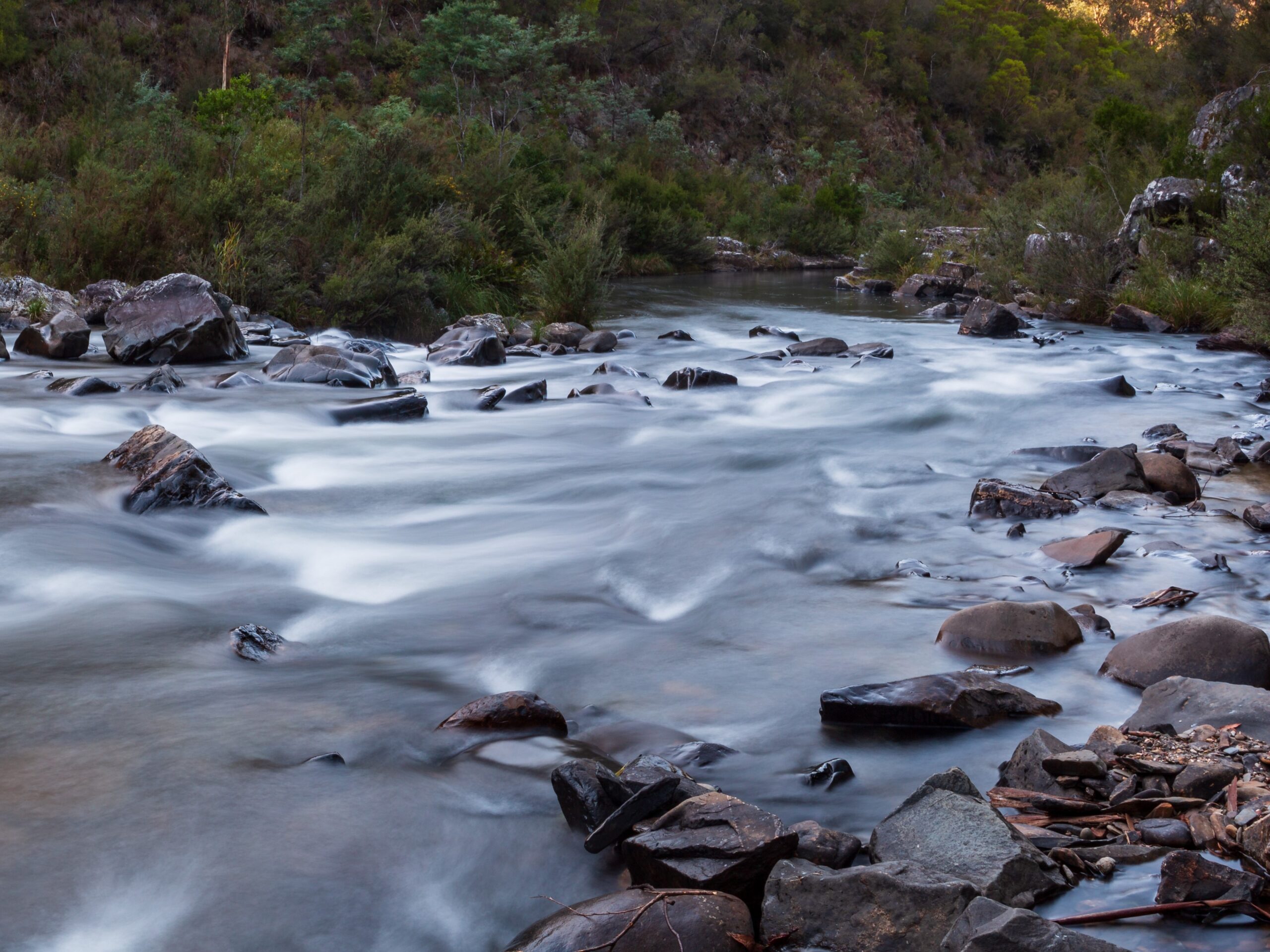
“This year, the competition asks people to capture images of rivers that reflect their many moods. Much like people, they can sometimes be peaceful and beautiful, other times turbulent and dynamic, each has their own ‘personality’. So, turn your camera vertically and capture a portrait of your local waterway,” said Tash Marty-Cripps, Waterways Project Officer for the CMA.
“We know that people will be out enjoying the region’s beautiful rivers in Autumn. We would love to see how the rivers look through your eyes and hear your stories.”
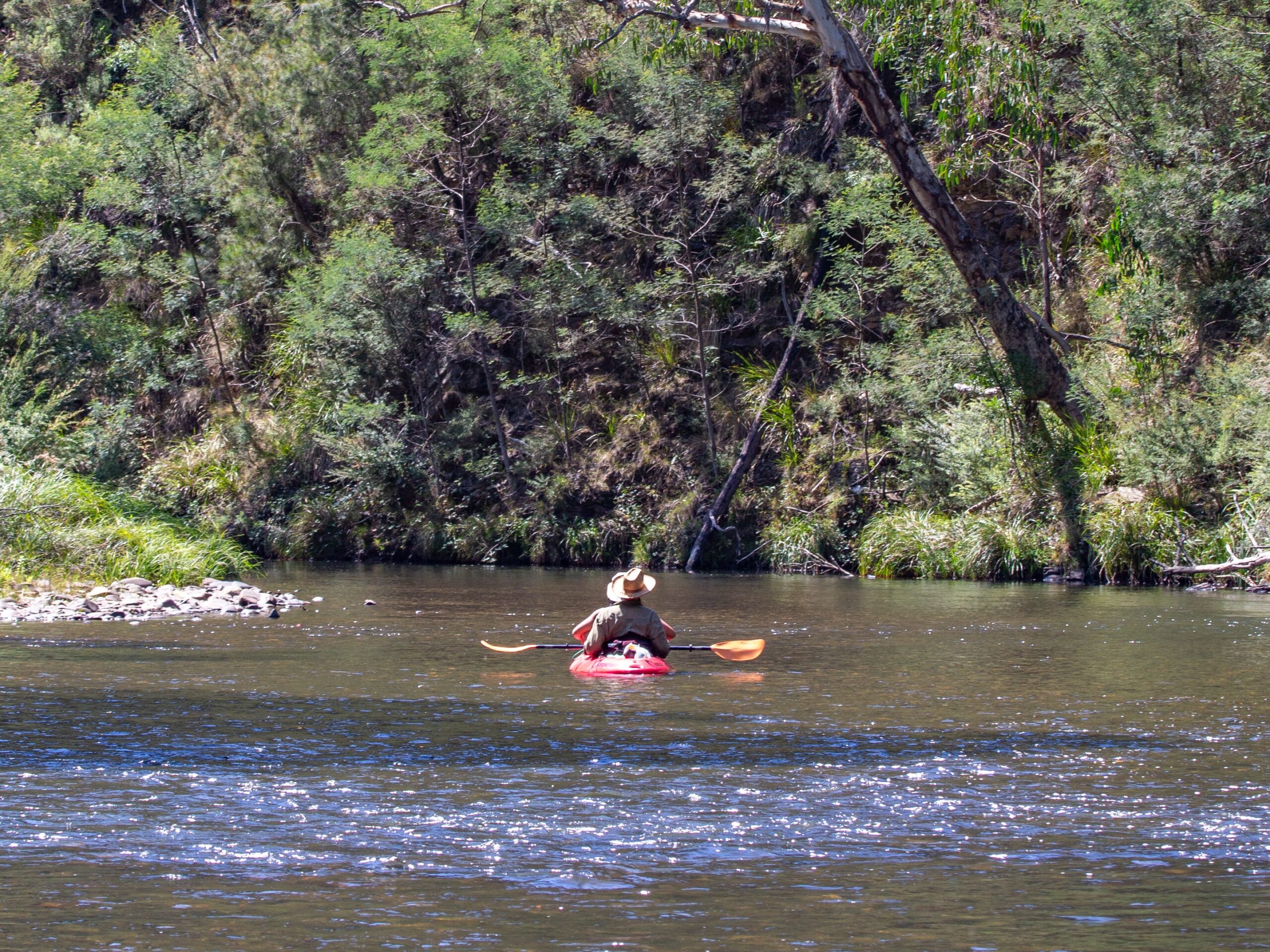
The rivers across West Gippsland have many faces depending on how you see them. They are a host to many iconic Australian plants and animals, and places for us to hike, swim, kayak, fish and camp. They are a muse; providing beauty, art and emotion. They are a teacher: providing places to learn, teach others and share stories. They are a carer, supporting our wellbeing and providing peaceful natural spaces to rest and recharge. They are also a resource; they support local communities and businesses – from farming to kayaking, fishing and tourism.
“We all benefit from healthy waterways and we are especially proud to support them by delivering water for the environment.”
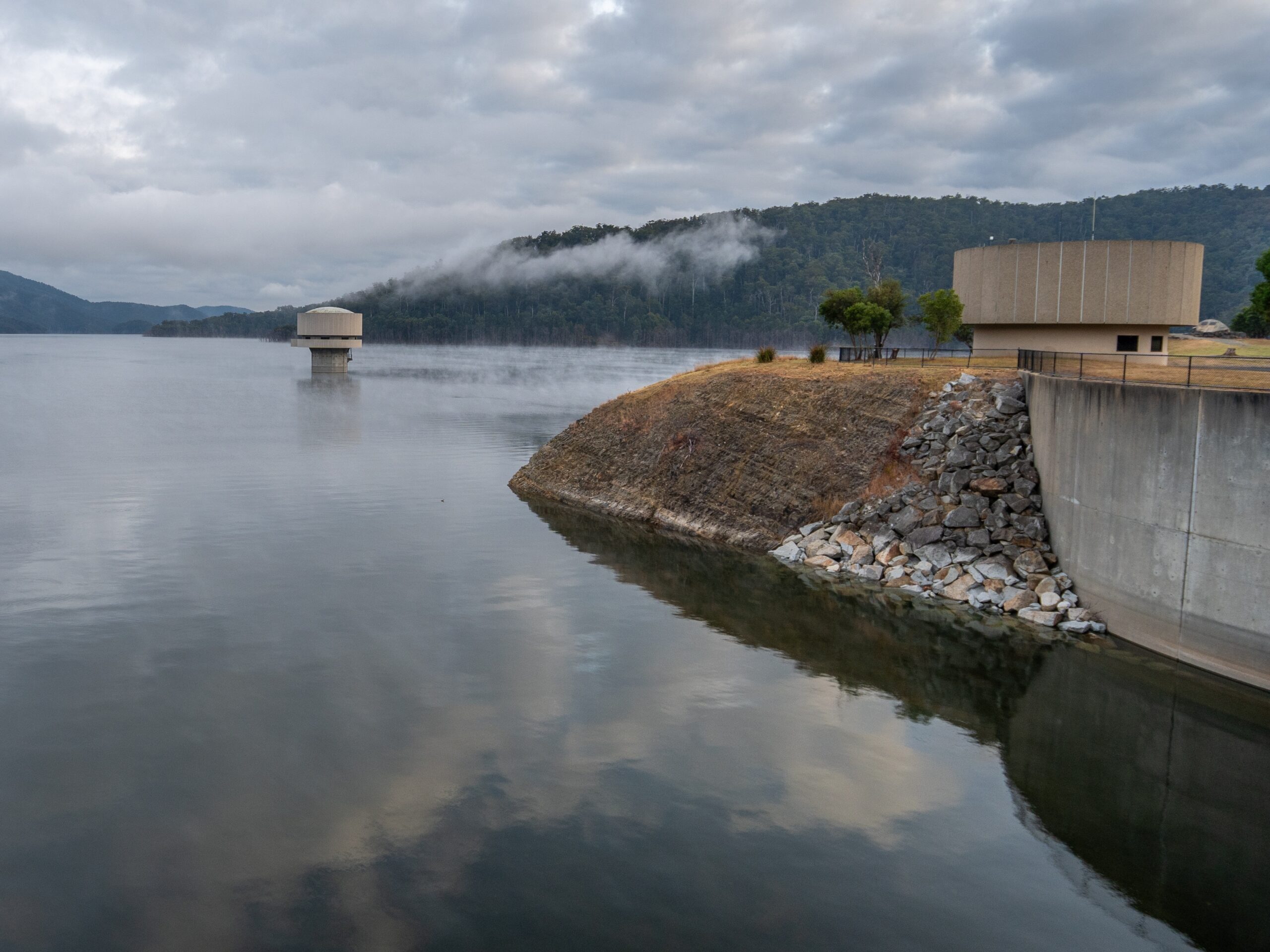
‘Water for the environment’ is water that is set aside in major reservoirs and carefully released into a waterway to support the health of rivers and wetlands. In dry times it can be used to connect pools and improve water quality, protecting animals such as fish and platypus.
Environmental releases can trigger native fish or eel migration, help waterplants grow, protect waterbirds from predators and improve access to food for fish, frogs and birds. By taking care of the water, we’re also improving these waterways for people to enjoy as well.
The popular annual competition encourages photographers to get snapping and enter photos from the four rivers in of the region that receive water for the environment allocations:
- Durt’Yowan (Latrobe River)
- Wirn wirndook Yeerung (Macalister River)
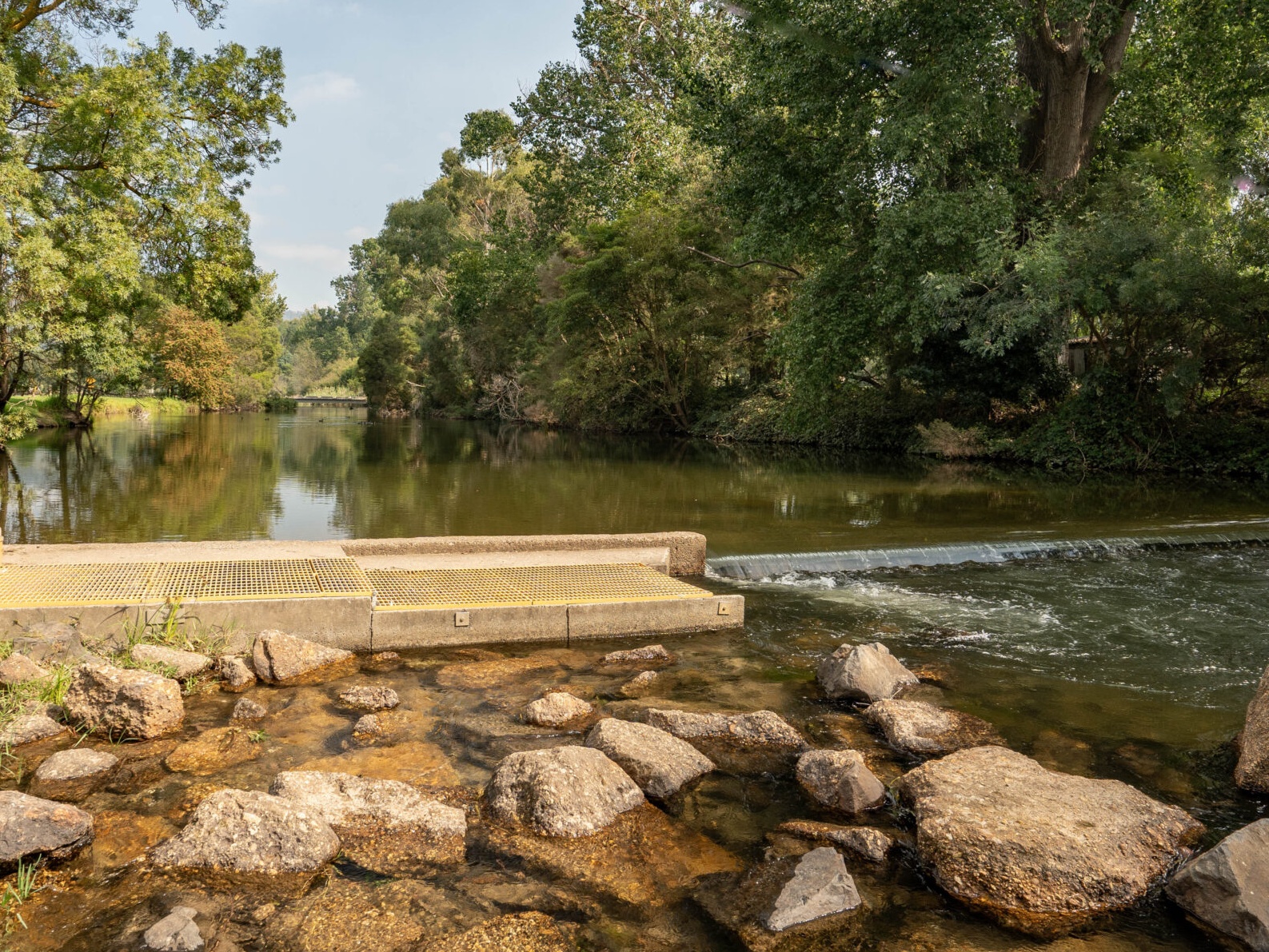
- Carran Carran (Thomson River including Rainbow Creek and Cowwarr Weir)
- Tanjil River.
Simply capture one or more images in portrait orientation to show us how you see our rivers. There are $1,000 worth of local business association vouchers up for grabs for the winners. It’s free and you can enter multiple times.
The competition opens on Wednesday 1 April and closes at 11:59 pm on Thursday 30 April 2026. Good luck snappers!
West Gippsland CMA is responsible for over 40,000 kilometres of designated waterways across the region and delivers programs for healthy and resilient catchments. All these waterways flow to the Victorian coast, discharging through the Gippsland Lakes, or directly into Bass Strait and the Southern Ocean.
You can learn more about water for the environment in West Gippsland and signup to receive email notifications to keep up to date when environmental flows are scheduled.
📸 Banner image Heart Morass by Colin Cook.
Water for the environment deliveries planned
Autumn water for the environment deliveries are planned for Carran Carran (Thomson River) and Wirn wirndook Yeerung (Macalister River).
The flow details for both waterways including start and end dates are available here.
Water for the environment deliveries planned
Spring in West Gippsland is full of life and native fish are on the move, to make the most of this our Environmental Water team have been hard at work planning how we can best care for our rivers during this important time.
We currently have two water for the environment deliveries planned:
Carran Carran (Thomson River)
A top-up for the Heyfield Wetlands and a Spring fresh has been planned for Carran Carran (Thomson River), if conditions allow the river will receive its biggest flow over the Melbourne Cup long weekend, this fresh will trigger the upstream migration of native fish from Lake Wellington and the ocean.
Wirn wirndook Yeerung (Macalister River)
A spring fresh has been scheduled for Wirn wirndook Yeerung (Macalister River) and will commence on Tuesday 11 November, 2025.
While our main goal is caring for the environment, we also think about how people use the rivers. If we can time these flows to make your river activities better, we will – but protecting nature comes first.
A Spring fresh is a small increase in the size of a river flow over a short length of time and can occur in any season and usually lasts from a day to a week.
All of the details for these freshes, including the maximum flow rates and peak flow dates can be found here.
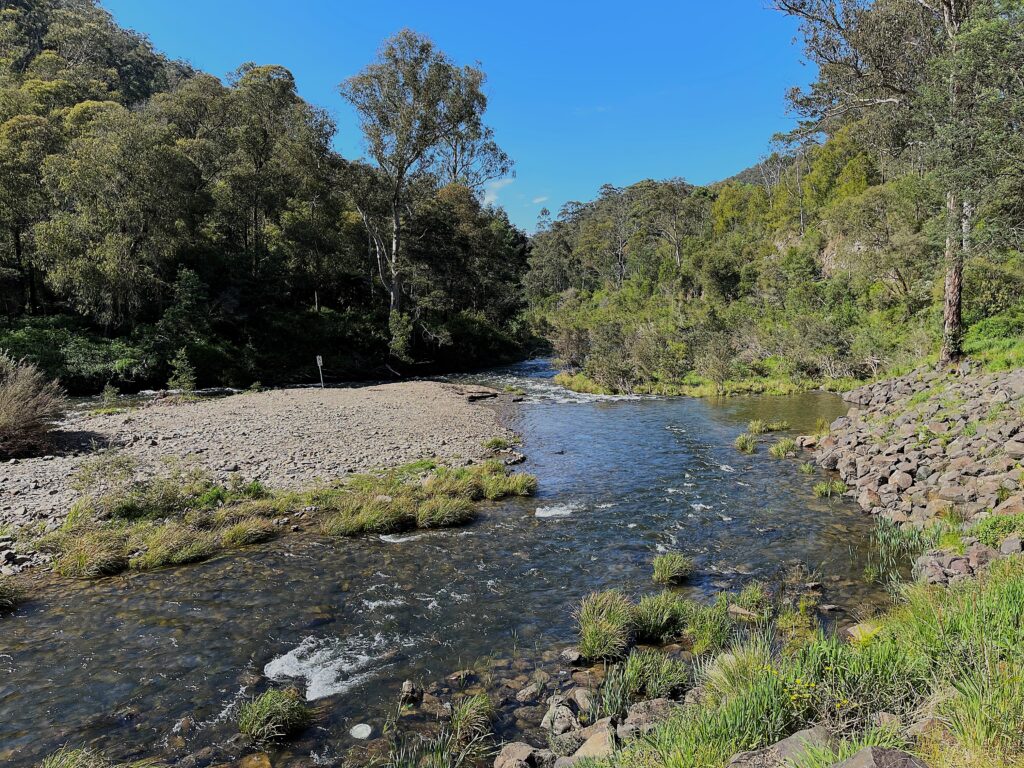
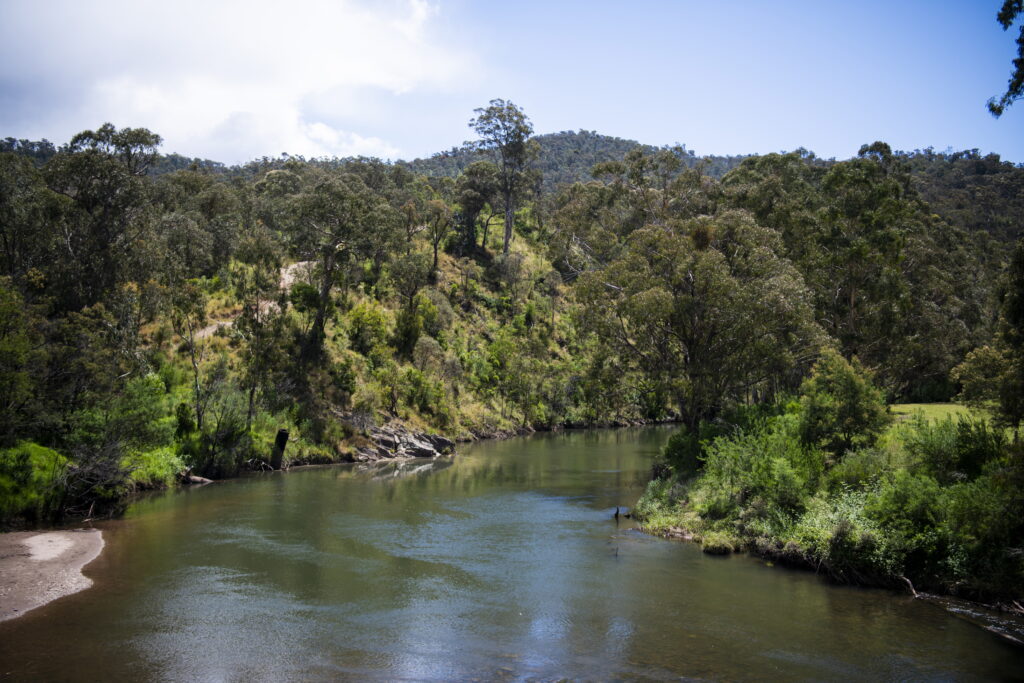
How water for the environment helped rescue the beloved Thomson
West Gippsland Catchment Management Authority is celebrating 20 years of delivering water to keep the much-loved Thomson River (Carran Carran) alive, flowing and healthy.
After the devastation of the Millenium drought, legislation was put in place to protect Victorian waterways from stress and ensure the survival of these precious aquatic ecosystems.
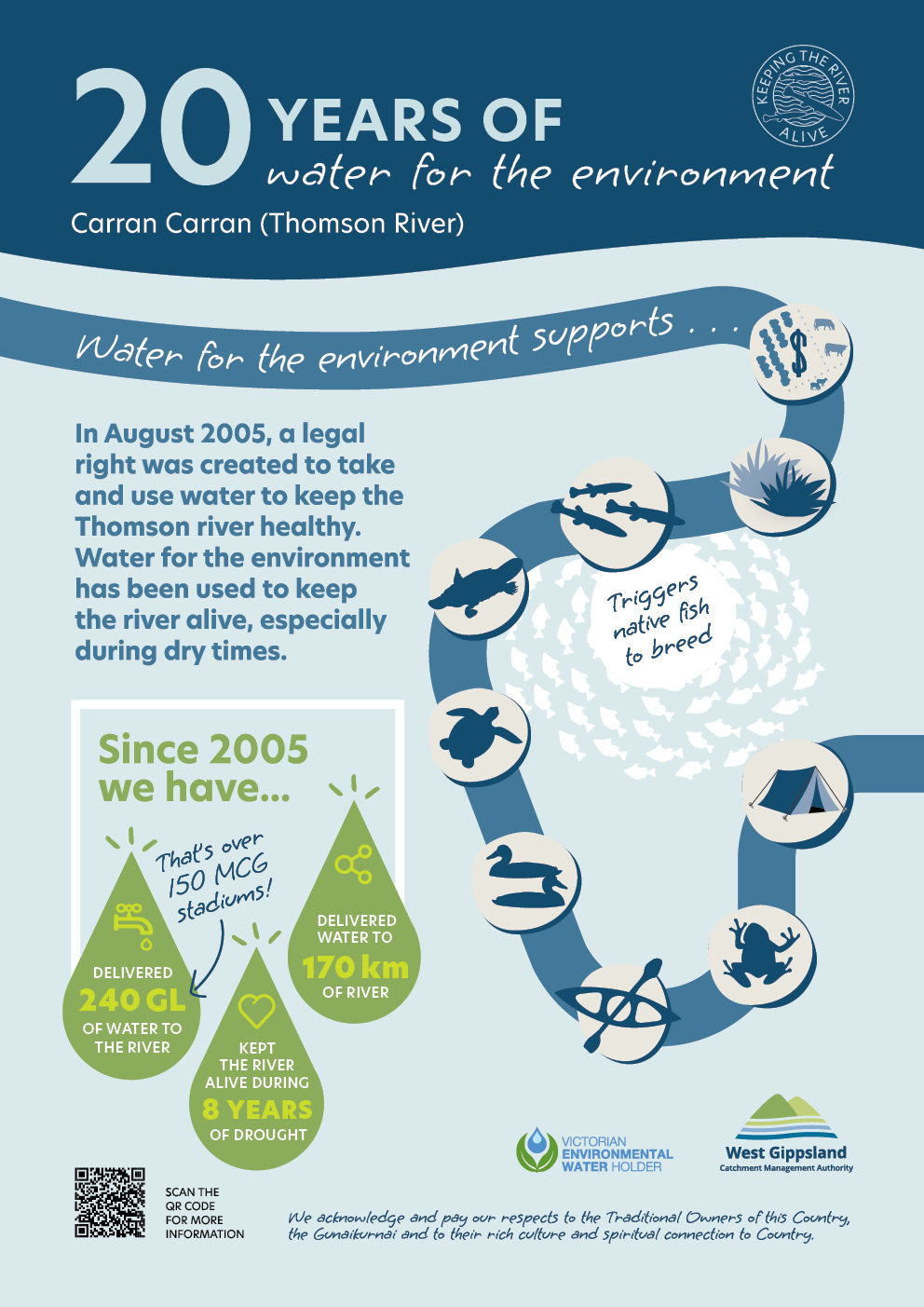
In August 2005, a legal right was created to take and use water from the Thomson Dam with the primary aim of improving the environmental condition of the Thomson river for the plants and animals that live there.
“The Thomson entitlement was the first of its kind in our region and one of the first in the state,” explained Dr Stephanie Suter, Environmental Water Officer for West Gippsland CMA.
“Known as water for the environment, it’s water that’s released into the river to support the environment and triggers native fish to breed. It literally keeps the river and wetlands alive – especially in dry times. We definitely think that’s worth celebrating!”
What’s also worth celebrating are the impressive stats over 20 years. Since 2005 we have:
- Delivered 240 gigalitres of water to the river
- Kept the river alive during eight years of drought
- Released water to 170 kilometres along the river.
“These water deliveries are just one of the important ways we support the Thomson. Other key measures include construction of fishways at Cowwarr and Horseshoe bend to reconnect the river for native fish and ongoing restoration works to remove weeds, install stock exclusion fences and plant native vegetation along the river and its tributaries. All these activities are part of the recipe for river and wetland health.”
Healthy, flowing rivers are also enjoyed by kayakers, canoe clubs, anglers, walkers, birdwatchers, campers, photographers, four wheel enthusiasts and more.
Celebratory webinar
To celebrate the 20th anniversary, we hosted a webinar on Wednesday 27 August.
- Environmental Water Officer, Dr Stephanie Suter talked about the Thomson Environmental Entitlement – how it can about and everything it’s achieved over the past 20 years.
- Waterways project Officer, David Stork talked about the fishways on the Thomson River – how they work and why they are important.
So, if you love your fishing, swimming, kayaking or just love rivers, you can listed to the webinar recording below.
West Gippsland CMA is responsible for over 40,000 kilometres of designated waterways across the region and delivers programs for healthy and resilient catchments. All these waterways flow to the Victorian coast, discharging through the Gippsland Lakes, or directly into Bass Strait and the Southern Ocean.
Become a river lover
Find out more about the work we do and sign up to our e-news for updates, you can also sign up for Environmental Water updates.
Enjoy this celebratory video as you take a journey down the Thomson River (Carran Carran) to the Gippsland Lakes.