
Making it count for Threatened Species
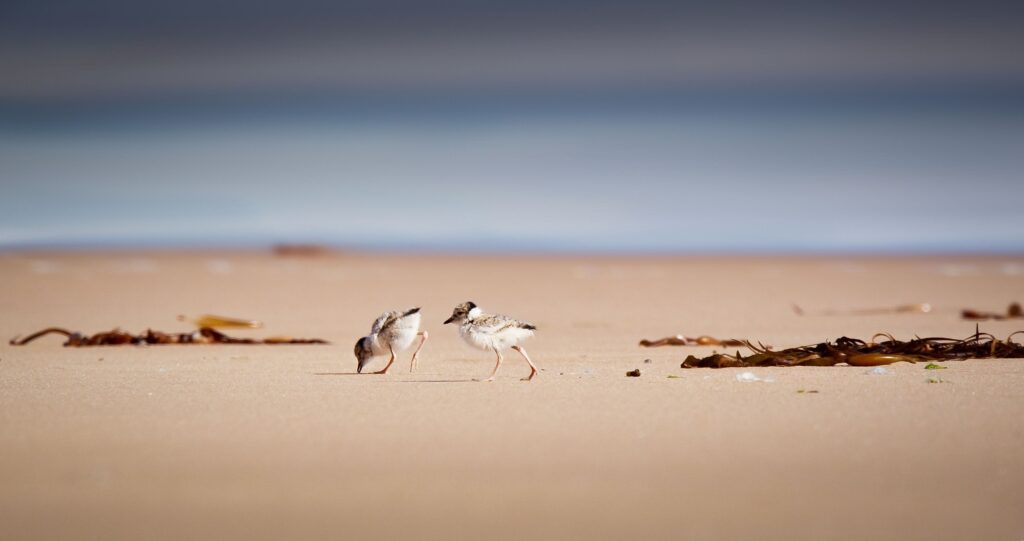
When it comes to helping save Hooded Plovers from extinction numbers count and West Gippsland Catchment Management Authority (CMA) is thrilled to report that figures from the 2025-26 breeding season in South Gippsland are positive.
The Towards Zero Extinctions: Protecting Eastern Hooded Plovers project is funded by the Australian Government Natural Heritage Trust and delivered by West Gippsland CMA, a member of the Commonwealth Regional Delivery Partners panel.
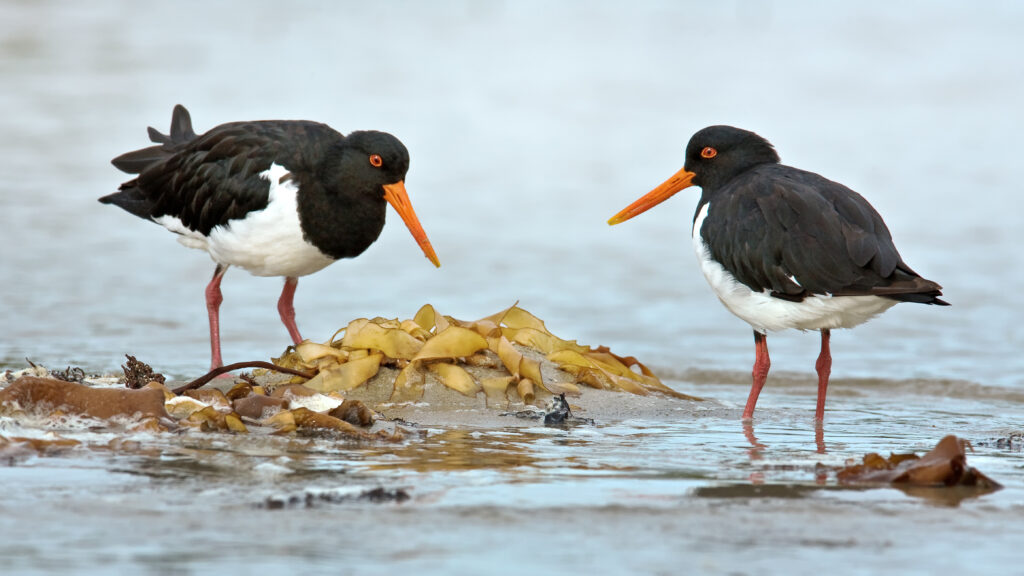
The project brings Traditional Owners, partners and community together in a targeted effort to protect Hooded Plovers (affectionately known as Hoodies) from their greatest threats – disturbance by humans and predation by foxes.
With only 3,000 of the birds remaining in south-eastern Australia and less than 2.5 % of Hooded Plover eggs making it to adult stage this work is urgent to turn the tide for the species. With the coastline between San Remo and Inverloch being home to the second largest population of Hooded Plovers in Victoria, this focussed effort is an essential part of solving the extinction puzzle.
“It’s great news that 16 chicks made it to fledging in the Bass Coast which builds on the 13 from last season. We also had five chicks fledge in South Gippsland which is particularly good as this is up from zero last season,” reported Joel Kilgour, Catchment & Community Project Officer for West Gippsland CMA.
“Across Victoria a total of 67 fledged which highlights the coordinated effort of Birdlife Australia and volunteers who monitored and collated data,” said Joel.
The four-year project focuses on the coastline between San Remo and Sandy Point in South Gippsland with on ground work being delivered by Bunurong Land Council Aboriginal Corporation, BirdLife Australia, Bass Coast Landcare Network, South Gippsland Landcare and Parks Victoria to:
- protect nests during breeding season.
- control foxes and other introduced pests.
- engage the community about the plight of the plovers – and how they can help their survival.
“These results show the value of the project locally as we make up a large portion of successful fledglings across the state with 21 of the state’s total of 67 coming from the Bass Coast and South Gippsland area. We hope to continue to build the network of volunteers and continue to improve on results each season,” concluded Joel.
How to help:
- We always ask the community to keep their dogs on a lead where signposted to protect your pets and resident wildlife.
- Across the breeding season (Spring/Summer/Autumn) please read and follow any new signage when you enter an area.
- Please keep your distance from roped off areas as the endangered Hooded Plovers are easily disturbed and need all our help to survive. Thank you!
- Become a volunteer with BirdLifeAustralia.
West Gippsland CMA is responsible for over 40,000 kilometres of designated waterways across the region. All of these waterways flow to the Victorian coast, discharging through the Gippsland Lakes, or directly into Bass Strait and the Southern Ocean.

Tackling key threats in Corner Inlet
In a special corner of South Gippsland in Victoria, Corner Inlet is hard at work playing its part to protect biodiversity and maintain healthy ecosystems with West Gippsland Catchment Management Authority (CMA) giving it a helping hand through the Corner Inlet Connections project.
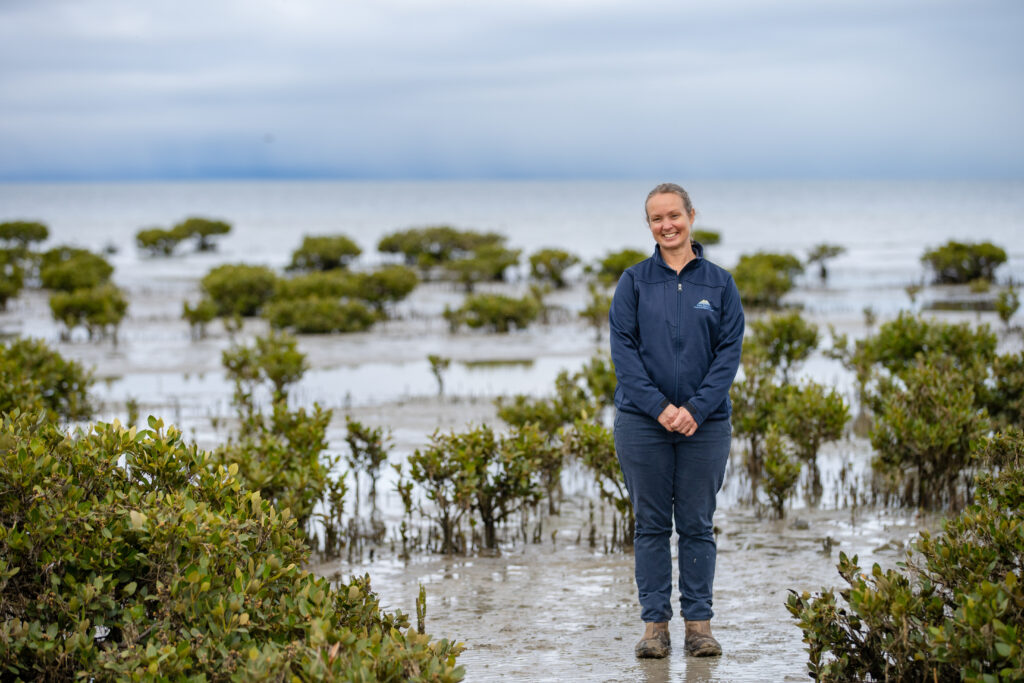
As a Ramsar wetland the Inlet is an internationally recognised haven for migratory and resident shorebirds – some critically endangered. The landscape comprises extensive seagrass meadows, and unique intertidal mudflats and forests of white mangrove (Avicennia marina) – the world’s most southerly distribution of this species – is a biodiversity powerhouse for the planet.
“Tackling the key threats Corner Inlet faces is our key focus to help maintain and build resilience for the area,” said Tanya Cowell, Waterways Project Officer – Corner Inlet with West Gippsland CMA.
In 2025-26, West Gippsland CMA worked with Traditional Owners, partners including BirdLife Australia and Trust for Nature, landholders and community to:
- Treat the entire Corner Inlet Ramsar site for Spartina infestations via ground and aerial and ground based treatments. Monitoring has indicated this program is significantly reducing the extent and spread of Spartina.
- Manage foxes on Dream Island, which pose a threat to the vulnerable beach nesting birds on this and nearby Islands. Across Dream, Snake, Clonmel and Box Bank Islands, BirdLife Australia has monitored nesting outcomes for key beach nesting bird species. Fledgling rates were very low however, this is thought to be impacted by a combination of foxes, human and dog presence, deer, storm surges and raven predation.
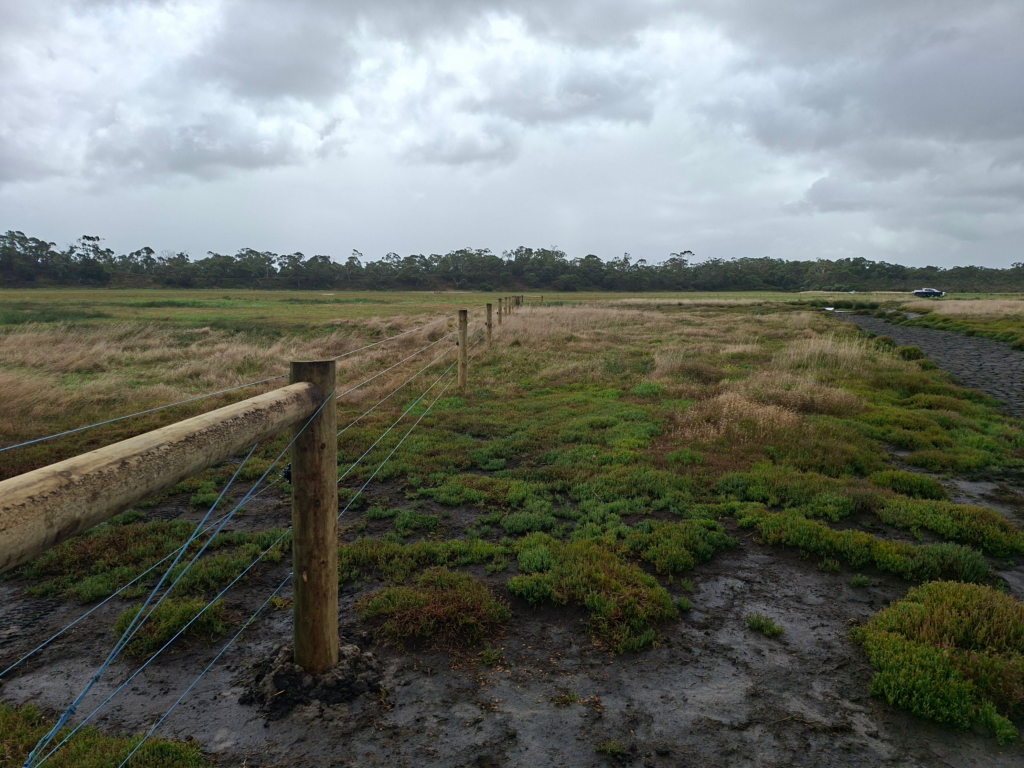
- Protect saltmarsh along the Corner Inlet coastline in partnership with landholders and Trust for Nature. One and a half kilometres of fencing was installed to exclude stock from this delicate habitat and 8.1 hectares of high threat weeds in protected saltmarsh were treated.
“We are proud of this year’s achievements and West Gippsland CMA and delivery partners will be continuing the important work to address threats to the Ramsar site in years to come,” Tanya concluded.
West Gippsland CMA is responsible for over 40,000 kilometres of waterways across the region and delivers programs for healthy and resilient catchments. All these waterways flow to the Victorian coast, discharging through the Gippsland Lakes, or directly into Bass Strait and the Southern Ocean.
Protecting Pristine Headwaters to Safeguard Victoria’s Rivers
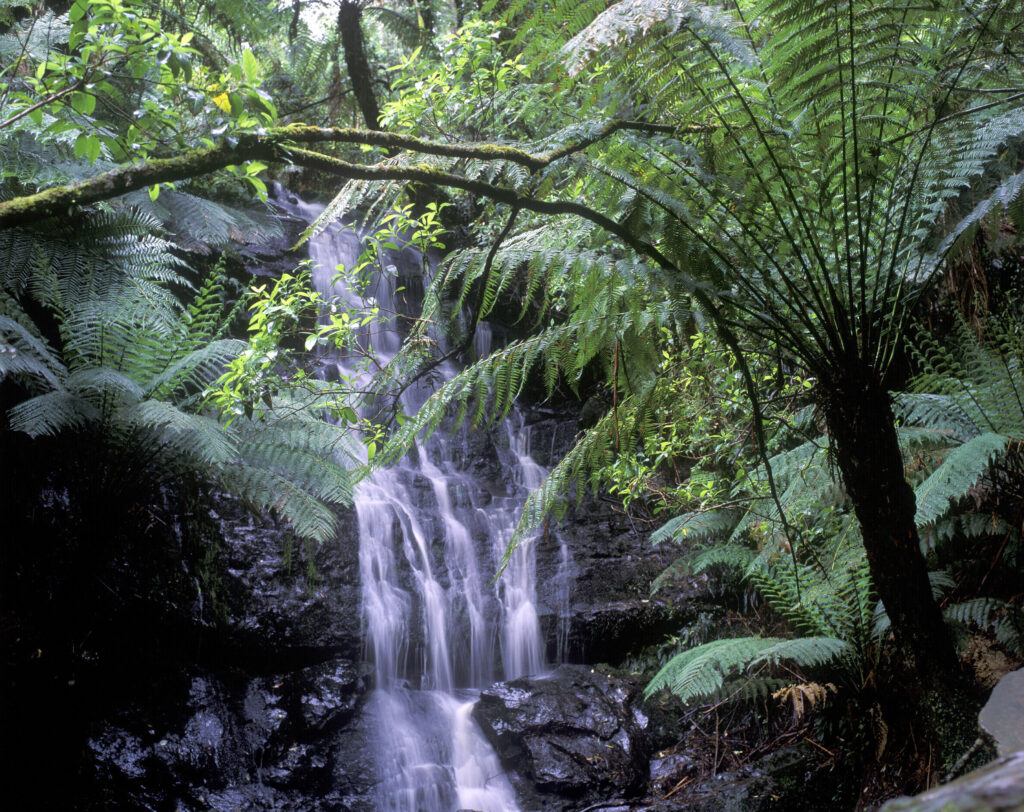
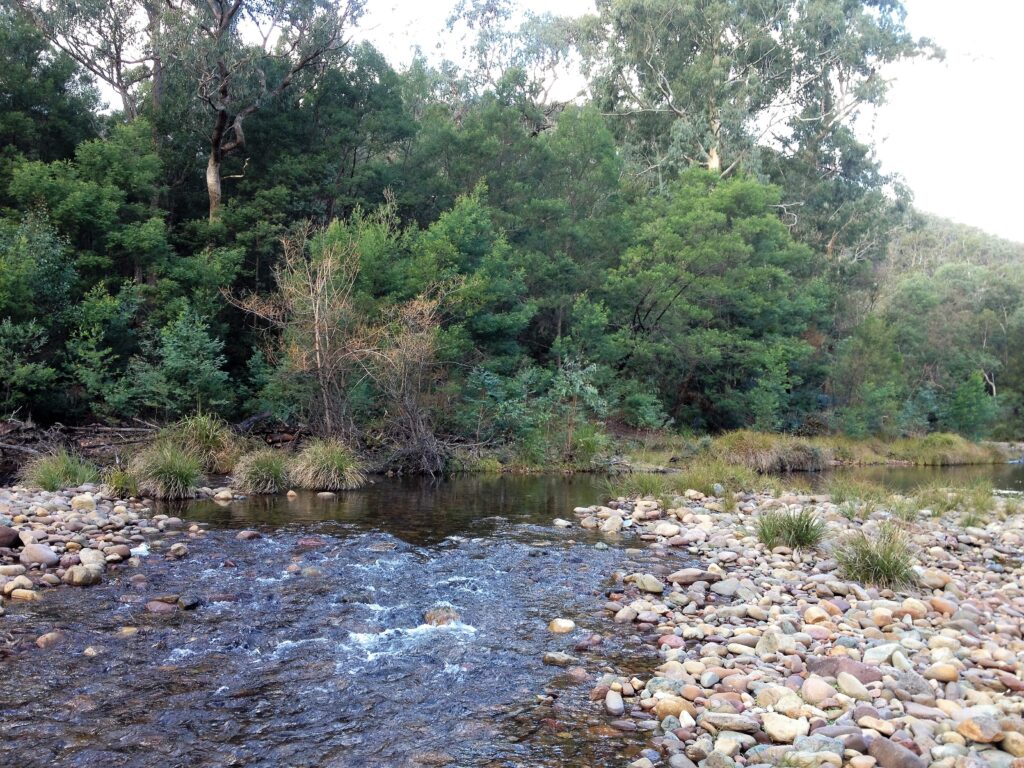
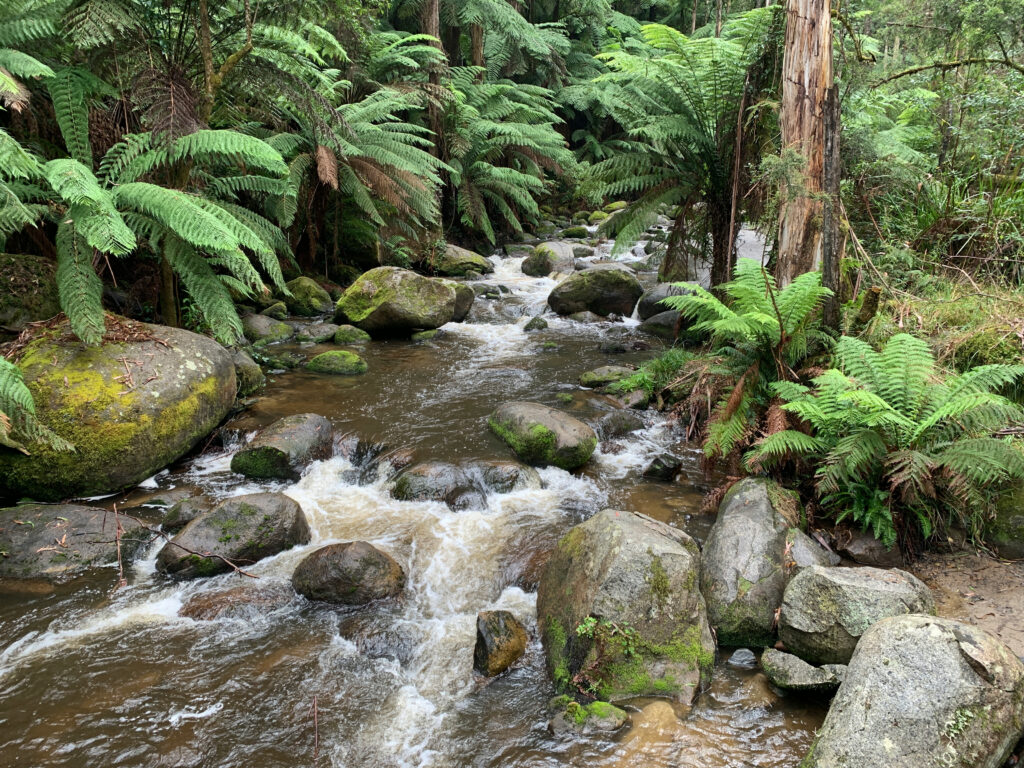
Protecting West Gippsland’s rivers starts in their pristine headwaters where delicate ferns shimmer in the dappled light dancing through giant gums and Victoria’s rainforest ecosystems continue to thrive.
West Gippsland Catchment Management Authority (CMA) has completed another year of vital work protecting the region’s fragile ecosystems, removing invasive willows from remote headwaters.
“In 2025-26, we inspected 206 kilometres of headwater river reaches,” said Martin Fuller, CEO of West Gippsland CMA.
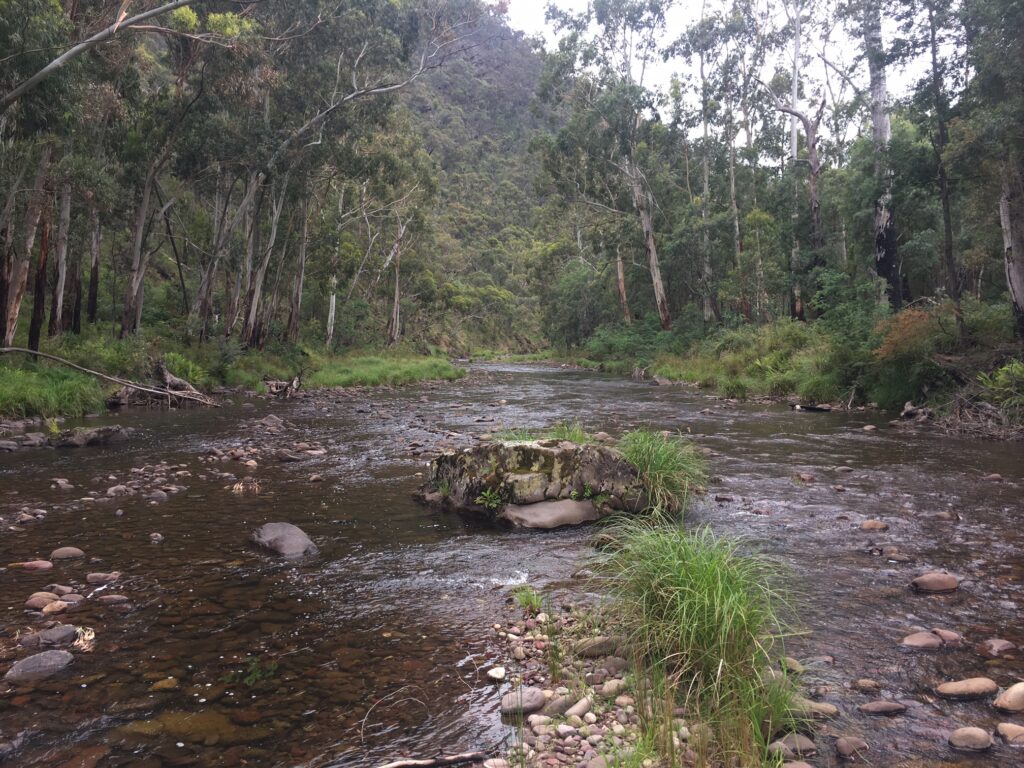
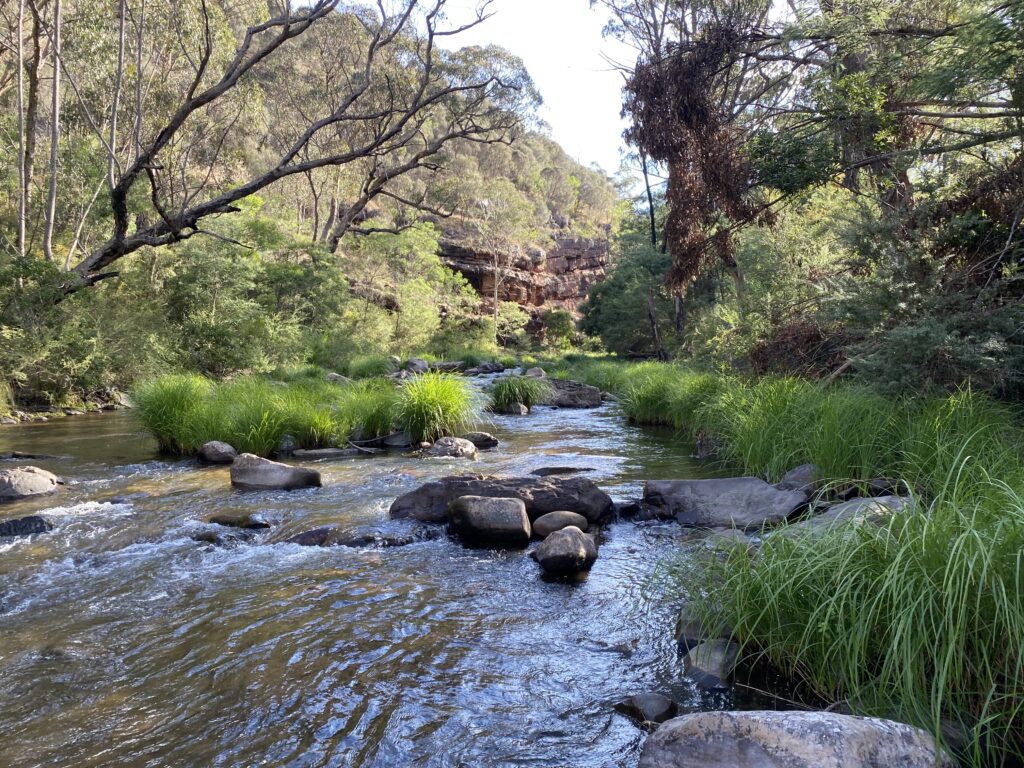
If willows were detected, the areas were treated to protect the headwaters and prevent the weeds spreading further down the rivers. The inspections were carried out as part of the headwater program in nine waterways including upper main reaches and tributaries of the Avon, Wirn wirndook Yeerung (Macalister), Durt-Yowan (Latrobe), Albert and Tarra rivers.
Willows spread easily by seed, branches and twigs, so getting them at the source helps protect areas further downstream. The impact of willows can be devastating for a waterway as they choke streams and damage riverside vegetation. It is also a lot more cost effective to treat them at the source, reducing long term control costs. Willow removal protects native vegetation, improves water quality, and supports species such as fish and platypus. It also ensures communities can continue enjoying healthy waterways for fishing, hiking and paddling.
“These rivers support some of Victoria’s most pristine alpine environments and this work helps keep them that way for us all to enjoy,” Martin concluded.
The Protecting Pristine Headwaters project is in partnership with Parks Victoria and supported by the Victorian Government.
Testing the tech: How Gippsland farmers are driving irrigation into the future
Trailblazing Gippsland farmers are using artificial intelligence (AI) and smart tech to save water, money and protect local waterways while inspiring others to do the same under the latest round of Irrigation Demonstration Trials.
In a joint initiative between West Gippsland Catchment Management Authority (the CMA) and Agriculture Victoria, six farmers in Central Gippsland have received grants to test irrigation technology and then spread the word about what they learn.
“The Irrigation Demonstration Trials Program is specifically designed to showcase Gippsland’s amazing farmers who are trialling and implementing new and innovative technologies and practices on their farms for the benefit of the whole region,” explained Anthony Goode, Sustainable Irrigation Program Coordinator at West Gippsland CMA.
“These farmers are stepping forward and essentially acting as guinea pigs to help us understand how technology like AI, GPS guidance and solar powered automation can work best on irrigation systems in Gippsland, helping other irrigators make decisions about whether the technology is right for them.”
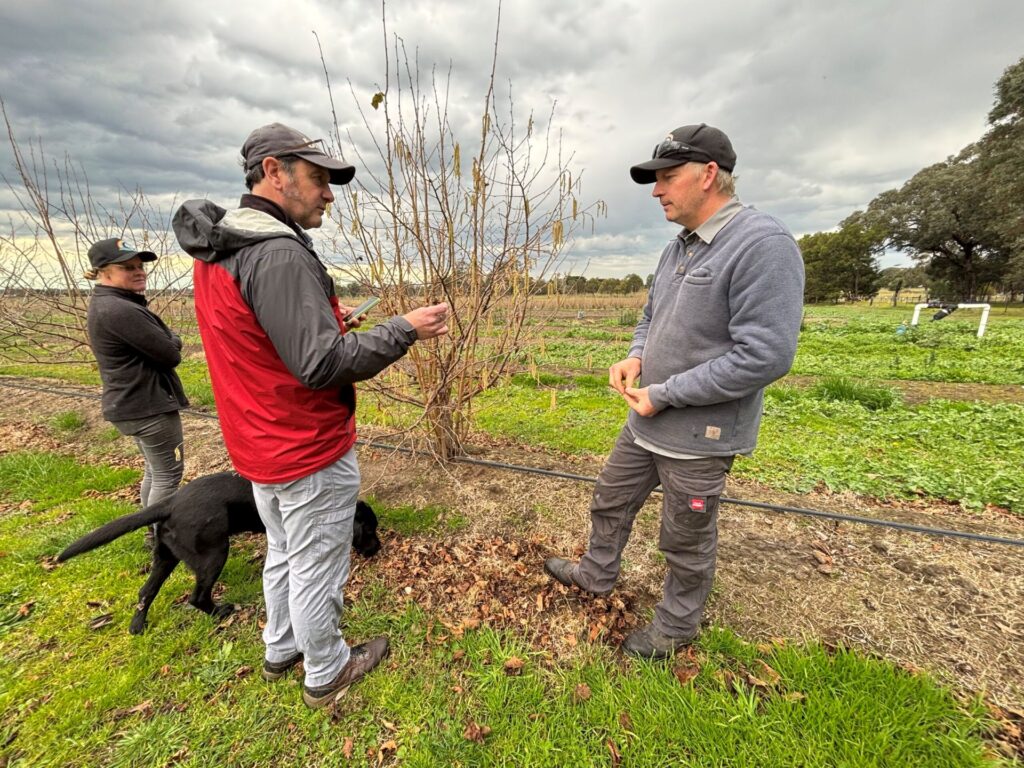
For example, at Rainbow Creek Nuts in Cowwarr, farmers Chris and Lisa are piloting a data-driven irrigation system that combines sensors with automation – and ultimately AI – to deliver precisely the right amount of water at the right time.
“The project will help give me a real-time picture of what the orchard is doing – in the soil, the trees and in the weather - so that I use my water on live signals and not guesswork,” said Chris.
Other farms hosting demonstrations are Jennings Potatoes in Thorpdale, Berry Dairy in Maffra, and dairy farms in Newry, Sale and Tinamba and their stories will be shared across the project.
Agriculture Victoria Regional Manager Irrigation for Gippsland, Sarah Killury, said: “While each project is different, they share a similar goal and that’s to drive irrigation best practice in the region while protecting the environment.”
“We’re excited to see the latest demonstration trials get underway and encourage all irrigators to follow the journey over the next two years. We’ll be sharing progress and results from all six sites through regular video updates, farm field days and newsletters.” said Sarah.
This program is a part of the Department of Energy, Environment and Climate Action’s Sustainable Irrigation Program (SIP), implemented in Gippsland by Agriculture Victoria and West Gippsland CMA.
Become a river lover
Find out more about the work we do and sign up to our e-news for updates.
Answering the global call for climate action in Gippsland
This World Environment Day June 5, West Gippsland farmers are answering the call for climate action through a series of workshops, initiatives and on ground actions assisted by West Gippsland Catchment Management Authority (CMA).
Between September 2025 and March 2026, West Gippsland CMA delivered the Carbon Farming Outreach Program – a series of training sessions and workshops in partnership with local Landcare groups.
Each session demystified carbon farming and gave practical examples of how to calculate emissions, match action with each landholder’s own goals and navigate the market to see how each property can earn carbon credits and ultimately, extra income.
“On World Environment Day, we reflect on the power of local, collective action that will answer the global call to reduce the effects of a changing climate,” said Sam Shannon.
“Carbon farming is about managing land or agriculture to maximise the amount of carbon stored and minimise greenhouse gas emissions. For landholders, carbon farming can deliver benefits such as increasing productivity, biodiversity, resilience to drought and can also provide additional income sources,” said Sam Shannon.
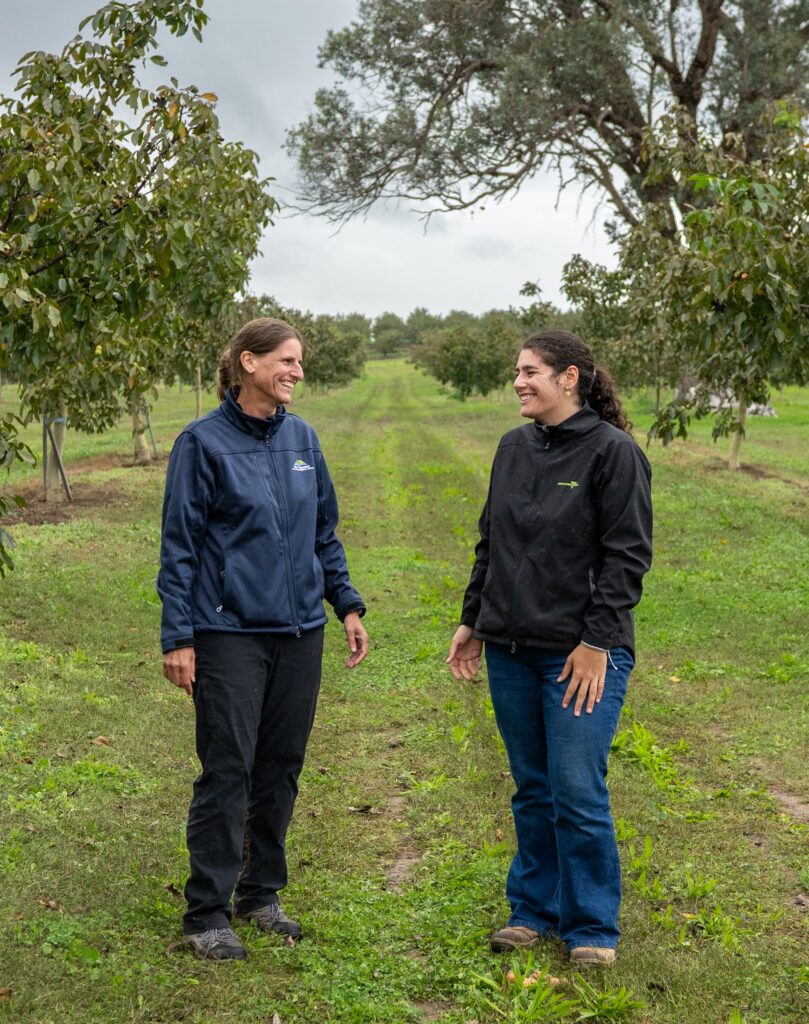
The recent Program was all about sowing the seeds for a successful carbon farming future through training days to help farmers manage emissions and store carbon. A total of 188 West Gippsland farmers attended 11 workshops and events.
“The events gave those who attended a better understanding of their farm’s emissions, the benefits of carbon farming and how to take advantage of opportunities as we move towards a low-carbon future – it’s climate action in motion.”
The Victorian Carbon Farming Outreach Program is delivered with funding support from the Commonwealth of Australia through the Department of Climate Change, Energy, the Environment and Water under the National Carbon Farming Outreach Program. The Program is delivered through a partnership between Agriculture Victoria, 10 Catchment Management Authorities and Landcare Victoria and other bodies.
About us
West Gippsland CMA is responsible for over 40,000 kilometres of designated waterways across the region and delivers programs for healthy and resilient catchments. All these waterways flow to the Victorian coast, discharging through the Gippsland Lakes, or directly into Bass Strait and the Southern Ocean.
With a focus on rivers and their catchments, the CMA works every day to improve catchment health through a range of programs and projects spanning from working towards self-determination for Traditional Owners, partnering with legends like Landcare, Trust for Nature and Greening Australia and building relationships with the amazing landholders and community who are willing to work for river and catchment health.
Portrait of a River Photo Competition winners announced
For a second year in a row, Iryna Mac Millan has taken out first prize in West Gippsland Catchment Management Authority’s (CMA) annual photo competition.
A total of 39 entries were received for this year’s competition which had the theme ‘portrait of a river’ where people were asked to submit images that capture the river’s personality in a portrait format.
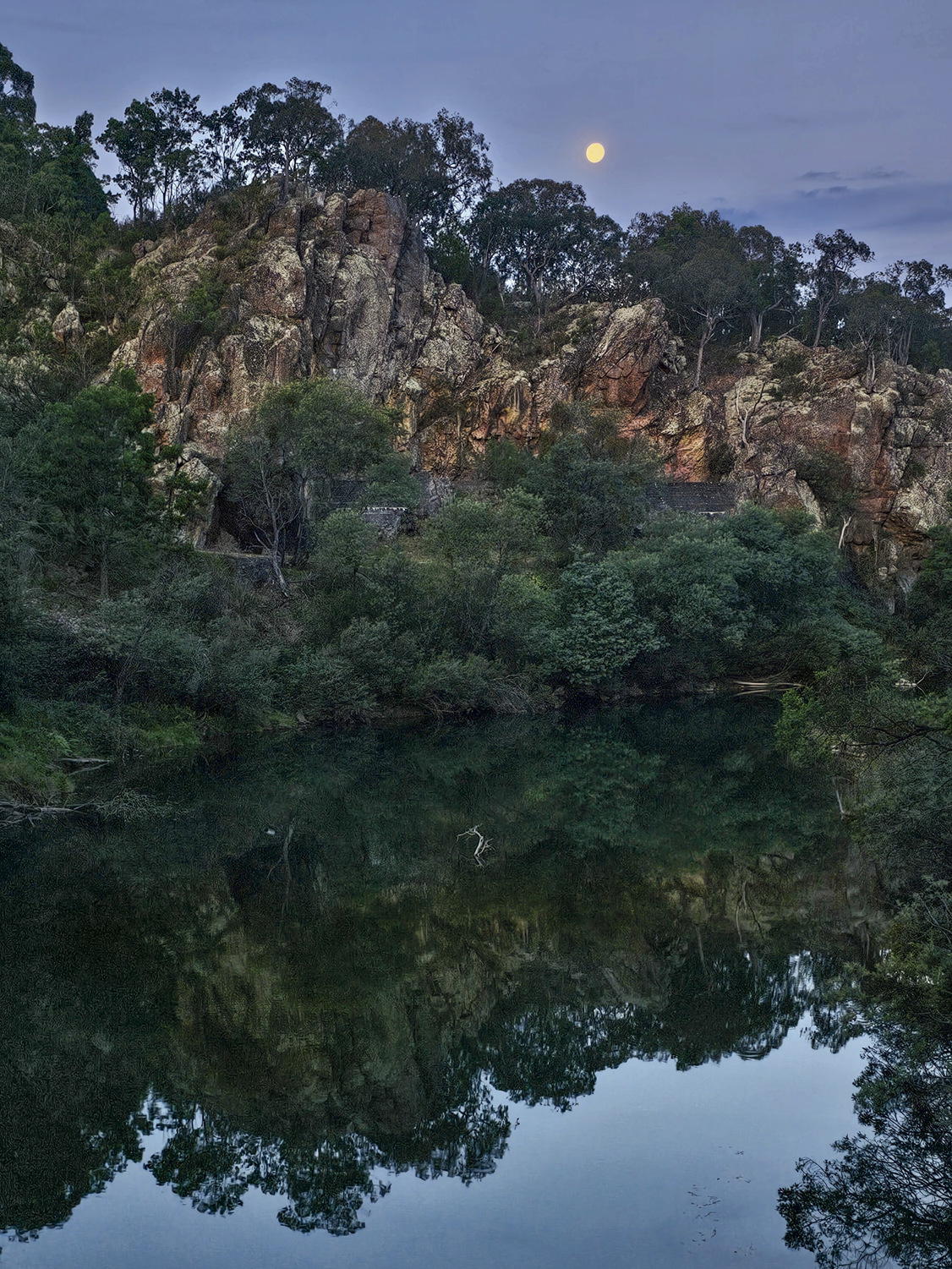
Iryna chose to respond to the theme with a dramatic sunset photo of Wirn wirndook Yeerung (Macalister River) on Gunaikurnai Country.
“This particular spot was in my head for a long time. The first time I saw this spot six years ago, shortly after we moved to Gippsland. I noticed the beautiful rocky cliff while we were driving over the Lanigans Bridge. It reminded me of the canyons in Canada, where we used to live,” said Iryna.
“I thought that this spot would be perfect to come back to one day for a sunset shot to capture the last of the golden rays. But to have both sunset from the west and moon rise from the east at the same time, happens only one day per month… I told my family that on this particular day we were going for a picnic to Macalister River under Lanigans Bridge. We arrived at 4pm and had a lovely picnic near the river exploring the bushy scrubs and marvelled about how beautiful this spot is and how clean the river water was. It’s a very picturesque spot. We waited until sunset at 5:30 pm for the moon to rise high enough over this cliff to capture everything in one shot in portrait mode: the beautiful river, the cliff, and the moon in the background,” Iryna said.
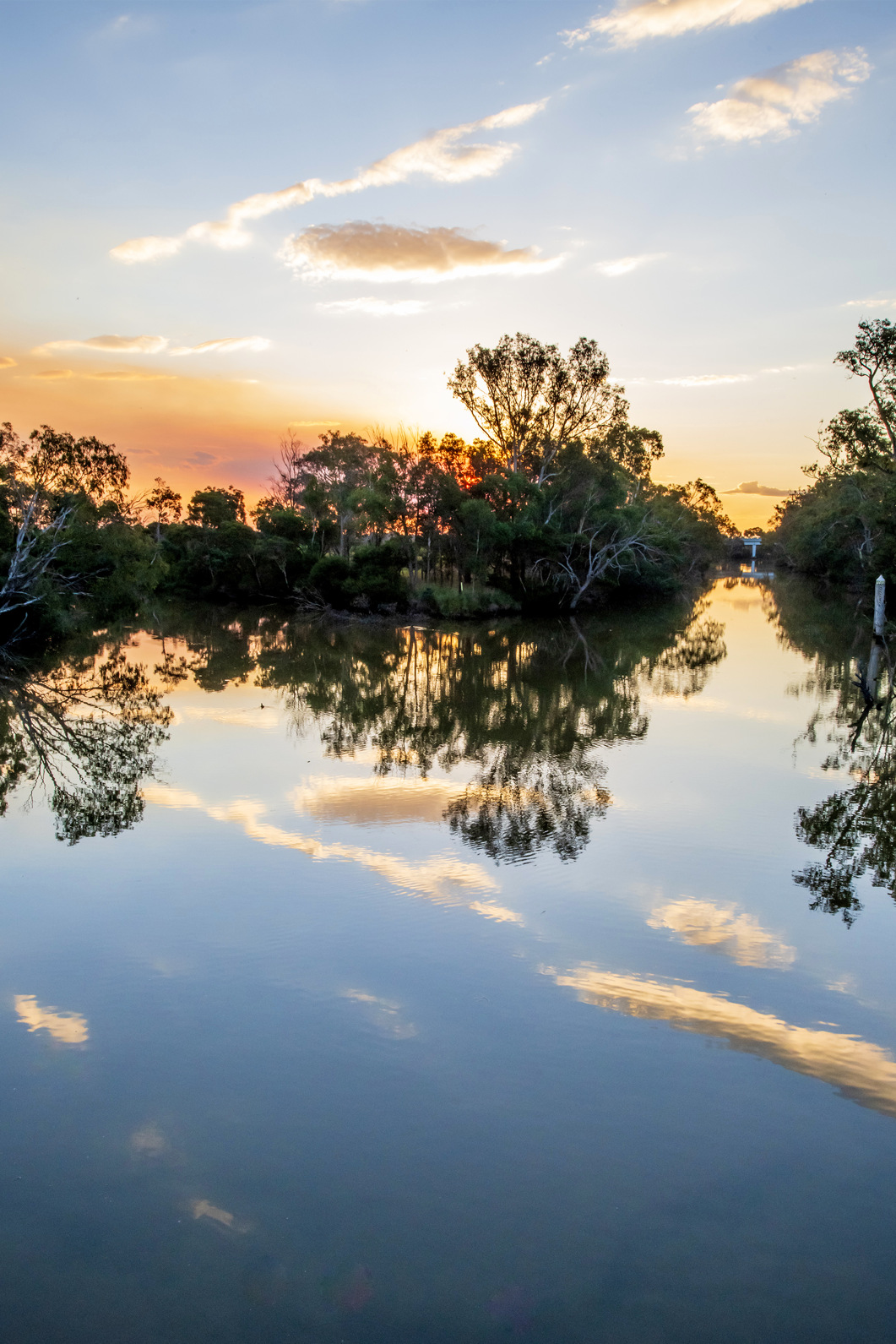
Runner up in the competition was another past winner Paula Walland with her photo titled ‘Latrobe & Thomson Confluence at Sunset’.
“At the confluence of the Durt’Yowan (Latrobe River) and Carran Carran (Thomson River) the water becomes a mirror of the sky when calm, reflecting soft golds and fading blues across the sky. I chose this place for its quiet beauty and the way two journeys meet and continue as one. To me, there’s a stillness here that invites reflection, yet it also symbolises movement and connection,” Paula explained.
“The landscape almost becomes a portrait of the rivers themselves. The mirrored colours, patterns and stillness capture the personality and beauty of the place, reflecting both connection and calmness.”
For the first time since the competition began, a People’s Choice prize was awarded to Robert Johnston with a moody portrait of Lake Narracan at the boat ramp. Robert who is a member of Latrobe Valley Camera Club says the image was two years in the making.
“Lake Narracan is great spot for photography. I have taken a photo at that spot before, but it wasn’t foggy and I always meant to do it, and when the competition came up it prompted me to enter… It was a just good fit for the theme with the sun in the right place – it almost looks black and white.”
The winners and entries will form part of the West Gippsland CMA’s water for the environment publications including Watering Proposals submitted to the Victorian Environmental Water Holder. Once approved, the proposal is used to plan the year’s environmental water deliveries to support healthy waterways and ecosystems along the:
- Durt’Yowan (Latrobe River) – including the Lower Latrobe Wetlands such as Dowd Morass, Heart Morass and Sale Common.
- Wirn wirndook Yeerung (Macalister River).
- Carran Carran (Thomson River) – including Heyfield Wetlands.
“We were delighted with how people responded to the challenge of capturing West Gippsland’s rivers and wetlands that receive water for the environment in portrait format,” said the CMA’s Waterways Project Officer and competition coordinator, Tash Marty Cripps.
“It allowed people to capture more of the rivers’ personality and show the relationship we have with West Gippsland’s waterways.”
The annual competition will be held again in 2027 as the CMA celebrates 30 years of caring for catchments.
West Gippsland CMA is responsible for over 40,000 kilometres of designated waterways across the region and delivers programs for healthy and resilient catchments. All these waterways flow to the Victorian coast, discharging through the Gippsland Lakes, or directly into Bass Strait and the Southern Ocean.
Become a river lover
Find out more about the work we do and sign up to our e-water newsletter for updates.

Restoring the beating heart of wetlands
Join us on a trip to the Lower Latrobe Wetlands in Gunaikurnai Country to chat with Dr Adrian Clements and David Stork about some exciting new infrastructure to assist wetlands.
Making the most of manure
Please note this project is now closed.
Dairy farmers in South Gippsland’s Powlett River catchment are set to make the most of manure thanks to new funding available from 1 April 2026.
West Gippsland Catchment Management Authority (CMA) is inviting expressions of interest from dairy farmers to join a project aimed at boosting the benefits of effluent on farm and reducing effluent entering the river system.
Up to 20 dairy farmers will have the opportunity to work with a qualified agronomist to develop their own Effluent Management Plan. They can then apply for funding to upgrade their effluent system to better utilise effluent nutrients. The upgrades will improve production, save money and protect the environment.
“By maximising the use of effluent, farmers can improve soil health. This also reduces the need to apply synthetic fertiliser, saving money and emissions,” said Sam Shannon – Sustainable Agriculture Facilitator for West Gippsland CMA.
“We know dairy effluent is a highly valuable source of nutrients, particularly nitrogen and phosphorous. Farmers who effectively keep these nutrients on farm are not only improving their soils and pasture for cattle, they’re also protecting important local waterways,” explained Sam.
This is the first time such an initiative has been offered in the Powlett catchment and complements the integrated catchment works underway through the Kugerungmome Powlett River Partnerships project and Towards Zero Extinctions saving the Eastern Hooded Plover.
“Integrated catchment management is about looking at all of the parts that contribute to the health of the ecosystem and helping to protect the water quality is just one more piece in completing the puzzle,” said Sam.
“We’ve been partnering with farmers for over 25 years to drive sustainable agriculture practices in the region and this project is another great example of working together for the benefit of farming and the overall health of the catchment.”
Each Nutrient and Effluent Management Plan developed will clearly identify key recommendations to improve effluent management decisions. The plans will use soil test data to advise on future nutrient application rates across the farm and how best to achieve this.
Participating farmers will receive funding to support the cost of implementing the recommended actions from the plan, such as upgrades to mains pipelines or effluent ponds.
All of these works flow down to benefit the river and the Kugerungmome Powlett River estuary which has cultural and ecological significance.
Grants will be allocated to 20 eligible applicants on a first-come, first-served basis.
Expressions of interest open at 9am on Wednesday 1 April and close at 9am Monday 4 May 2026.
If you have any questions please email dairy@wgcma.vic.gov.au.
Further opportunities are also available now through the Victoria Landcare Grants and the Victorian Trees on Farms Program.
Partnering for plovers
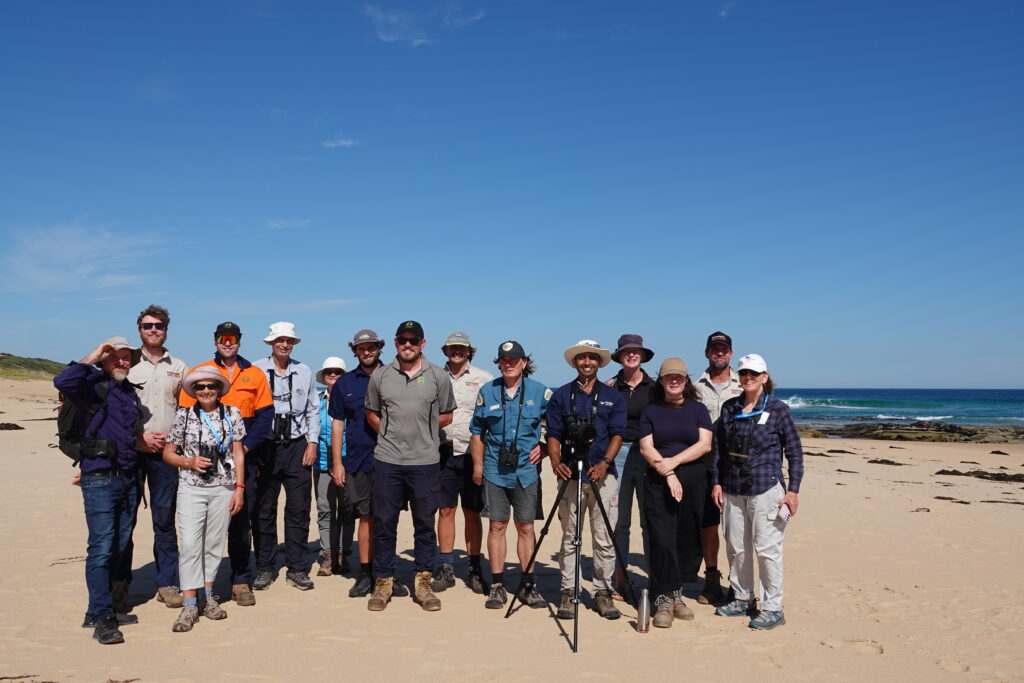
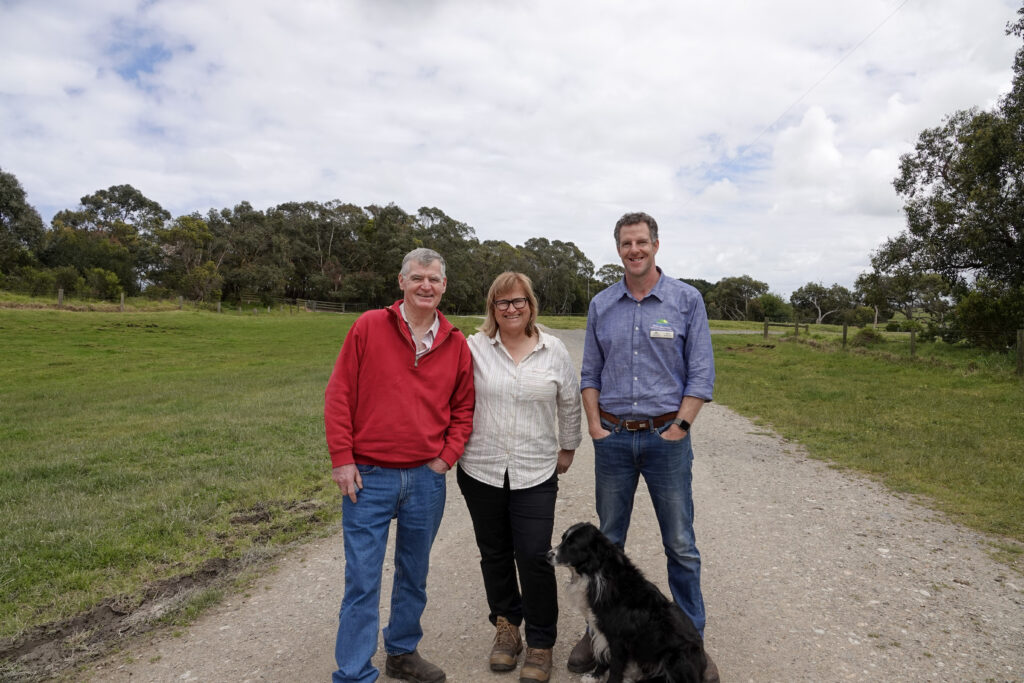
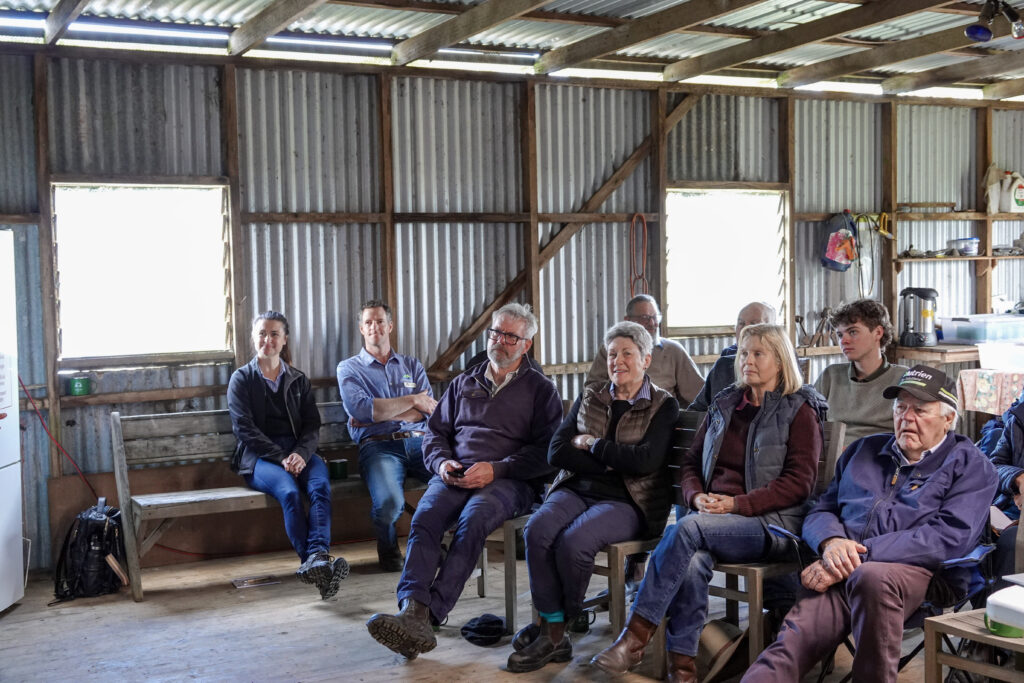
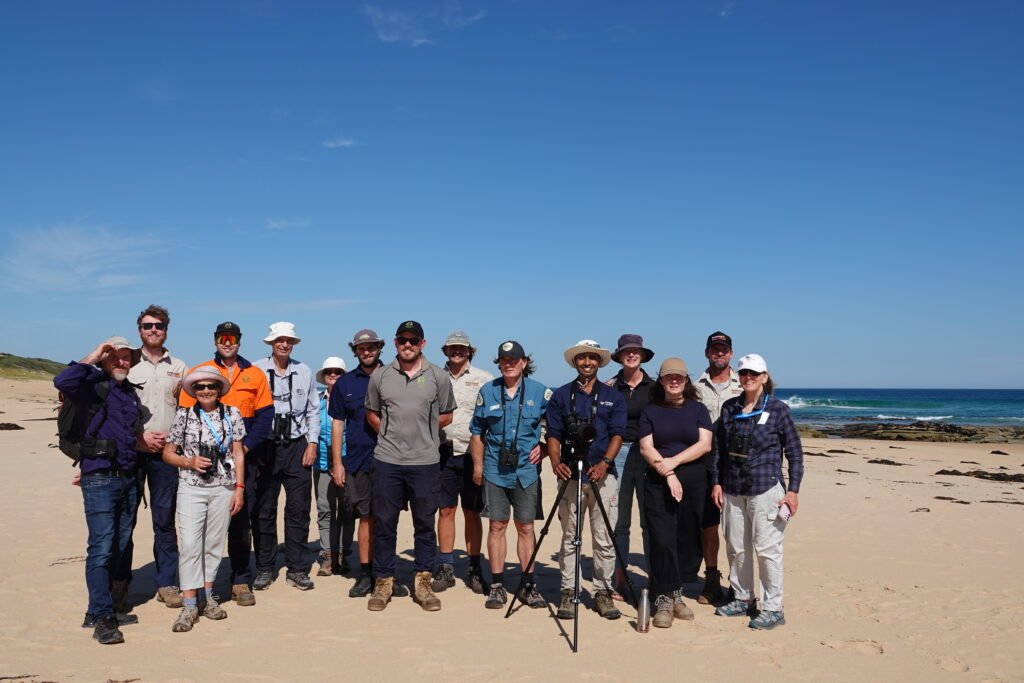
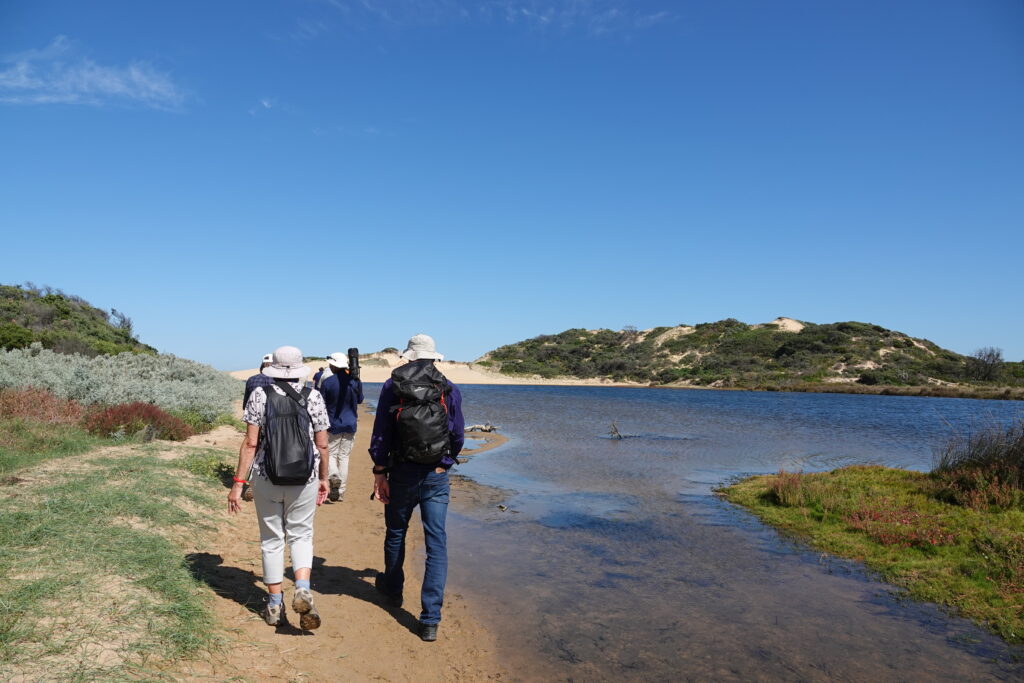
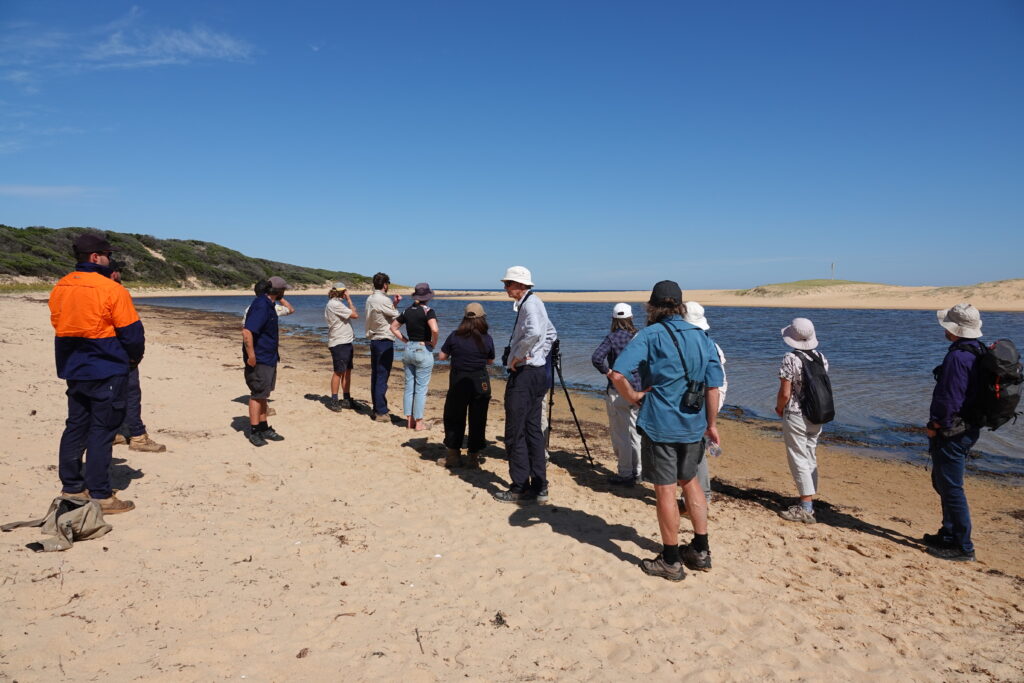
The room was full of plover lovers recently as West Gippsland Catchment Management Authority (CMA) and partners gathered at Kilcunda on Bunurong Country to talk progress on plover protection as part of their Toward Zero Extinctions: Protect the Eastern Hooded Plover project.
This project is funded by the Australian Government Natural Heritage Trust and delivered by West Gippsland CMA, a member of the Commonwealth Regional Delivery Partners panel.
Representatives from Bunurong Land Council Aboriginal Corporation, BirdLife Australia, Bass Coast Landcare Network, South Gippsland Landcare Network, Parks Victoria, Bass Coast Shire Council and the community shared updates on the part they are playing to protect Hooded Plovers (affectionately known as hoodies) along the coastline from San Remo to Sandy Point. This area is home to Victoria’s second largest population of Hooded Plovers so it’s vital that we work together to take action to protect this vulnerable species.
These small, beach-nesting birds and their beach homes are highly vulnerable to disturbance by people, invasion from coastal weeds, rough weather, off-lead dogs and their number one predator – foxes.
The four-year project brings partners together in a united effort to protect nests and chicks through monitoring, targeted fox control and community education.
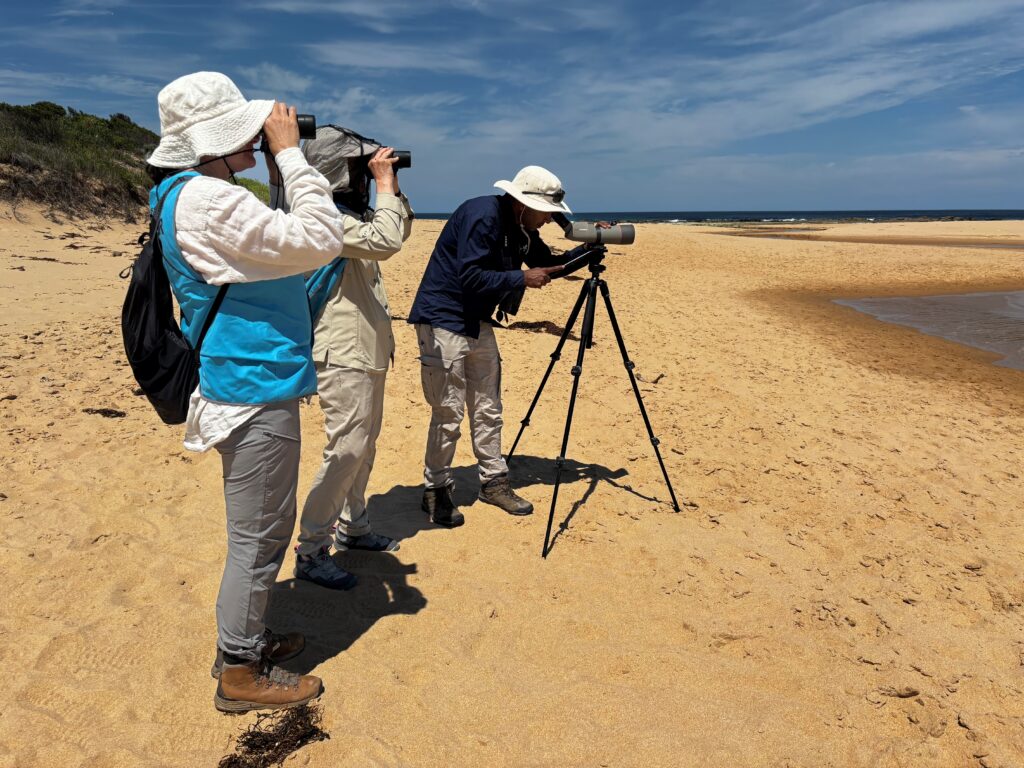
Bunurong Land Council and BirdLife Australia staff and volunteers spent the 2025-26 summer season monitoring and protecting the birds nesting along the coast, along with hosting awareness activities for the community to better understand the birds and their plight.
“It was a challenging start to the season because of the weather patterns until Christmas. Since the weather settled the season has gone really well with a successful number of 31 breeding pairs with 14 fledglings so far. It’s positive to report a similar result to last year – two good years in a row is great. I’d also like to acknowledge the volunteer contribution as “the backbone” of the program and a key reason for the program’s success,” said Kasun Ekanayake, Beach nesting Birds Project Coordinator for BirdLife Australia.
Bunurong Land Council Aboriginal Corporation’s Balirt Biik Rangers monitored and cared for barriytbarriyt, (the Boonwurrung name for Hooded Plovers), at eleven key coastal sites. They noted that connecting with the Birdlife Australia volunteers had been a great addition to their experience so far.
A crucial focus of the project is targeting foxes – the bird’s number one predator with Bass Coast Landcare Network implementing this part of the program. Aaron Stephens reported that they have removed the same number of foxes as the previous year which is a great success. Bass Coast Shire Council has also added resources to the program to target key breeding areas. “We can’t underestimate the importance of this combined effort – it’s about taking the pressure off the birds at critical times of year,” said Aaron.
Brian Martin from Parks Victoria reported they spent the summer working with the community and visitors to monitor behaviour on beaches such as keeping to tracks and dogs on leads where required. Community compliance is one way we can all play our part to protect the plovers and other beach nesting birds and give them the best chance for survival.
“It’s the partnerships and passion that unite to make this project successful – where everyone is involved and supports each other for the good of the hoodies,” said Joel Kilgour, Catchment & Community Project Officer for West Gippsland CMA.
West Gippsland CMA is responsible for over 40,000 kilometres of designated waterways across the region. All of these waterways flow to the Victorian coast, discharging through the Gippsland Lakes, or directly into Bass Strait and the Southern Ocean.
Calling all photographers to enter our “Portrait of a River” photo competition
This competition is now closed.
It’s like the Archibald Prize for rivers. West Gippsland Catchment Management Authority (CMA) is launching its annual Water for the Environment photo competition with the theme ‘portrait of a river’ and there are great prizes to be won.
“This year, the competition asks people to capture images of rivers that reflect their many moods. Much like people, they can sometimes be peaceful and beautiful, other times turbulent and dynamic, each has their own ‘personality’. So, turn your camera vertically and capture a portrait of your local waterway,” said Tash Marty-Cripps, Waterways Project Officer for the CMA.
“We know that people will be out enjoying the region’s beautiful rivers in Autumn. We would love to see how the rivers look through your eyes and hear your stories.”
The rivers across West Gippsland have many faces depending on how you see them. They are a host to many iconic Australian plants and animals, and places for us to hike, swim, kayak, fish and camp. They are a muse; providing beauty, art and emotion. They are a teacher: providing places to learn, teach others and share stories. They are a carer, supporting our wellbeing and providing peaceful natural spaces to rest and recharge. They are also a resource; they support local communities and businesses – from farming to kayaking, fishing and tourism.
“We all benefit from healthy waterways and we are especially proud to support them by delivering water for the environment.”
‘Water for the environment’ is water that is set aside in major reservoirs and carefully released into a waterway to support the health of rivers and wetlands. In dry times it can be used to connect pools and improve water quality, protecting animals such as fish and platypus.
Environmental releases can trigger native fish or eel migration, help waterplants grow, protect waterbirds from predators and improve access to food for fish, frogs and birds. By taking care of the water, we’re also improving these waterways for people to enjoy as well.
The popular annual competition encourages photographers to get snapping and enter photos from the four rivers in of the region that receive water for the environment allocations:
- Durt’Yowan (Latrobe River)
- Wirn wirndook Yeerung (Macalister River)
- Carran Carran (Thomson River including Rainbow Creek and Cowwarr Weir)
- Tanjil River.
Simply capture one or more images in portrait orientation to show us how you see our rivers. There are $1,000 worth of local business association vouchers up for grabs for the winners. It’s free and you can enter multiple times.
The competition opens on Wednesday 1 April and closes at 11:59 pm on Thursday 30 April 2026. Good luck snappers!
West Gippsland CMA is responsible for over 40,000 kilometres of designated waterways across the region and delivers programs for healthy and resilient catchments. All these waterways flow to the Victorian coast, discharging through the Gippsland Lakes, or directly into Bass Strait and the Southern Ocean.
You can learn more about water for the environment in West Gippsland and signup to receive email notifications to keep up to date when environmental flows are scheduled.
📸 Banner image Heart Morass by Colin Cook.